
The Peso’s Plunge: A Double-Edged Sword for Filipinos
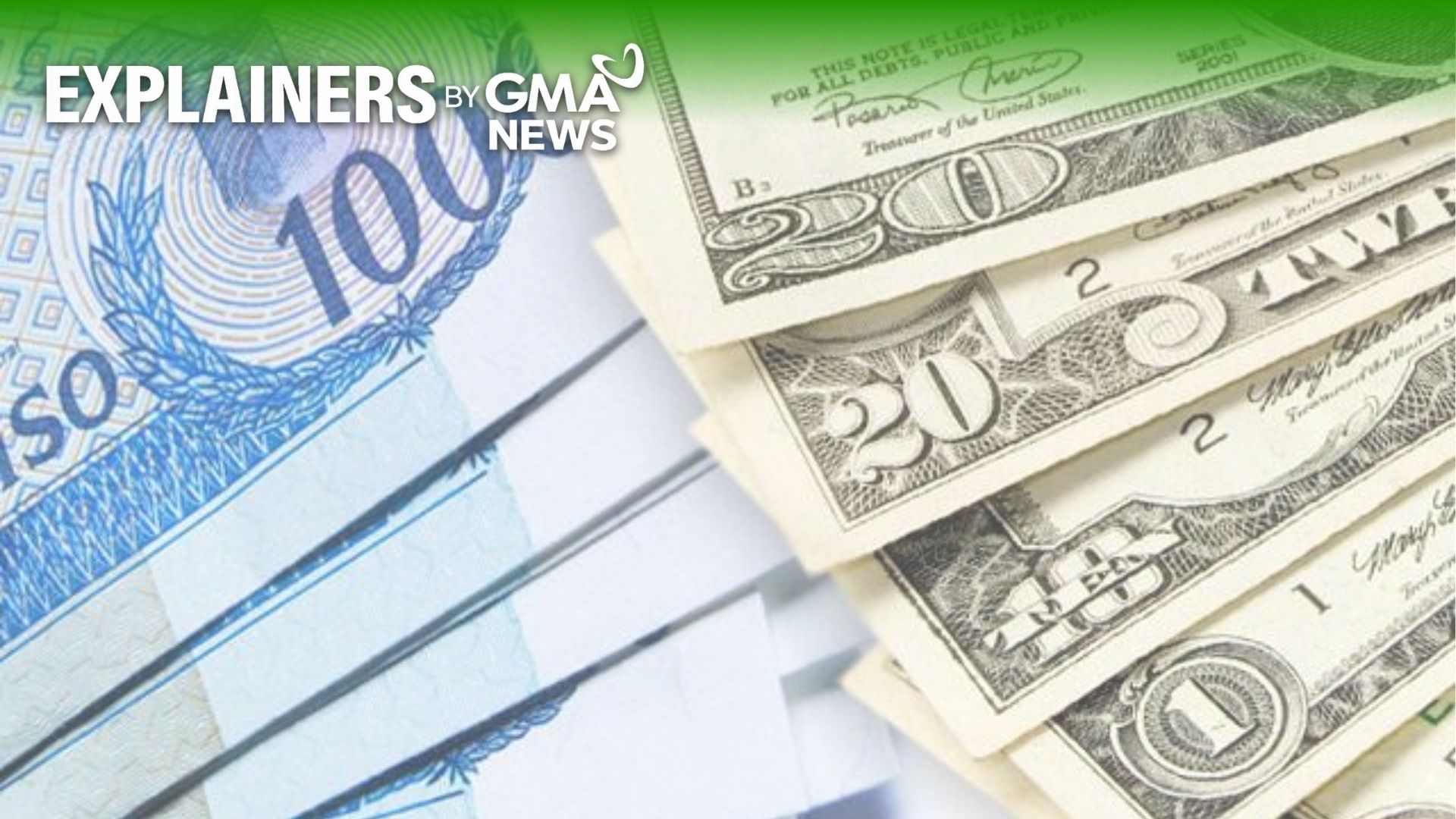
In a striking turn of events, the Philippine peso has reached an alarming milestone, recording its lowest value against the US dollar for the 33rd time. Just this Tuesday, it closed at a staggering P64.17 to $1. As the peso struggles, President Ferdinand “Bongbong” Marcos Jr. reassures the nation, stating that his administration possesses “all the tools to defend the peso.”
But as ordinary Filipinos grapple with this economic reality, one question looms large: Is a weaker peso truly a bad thing?
A Balance of Benefits and Challenges
According to Ruben Carlo Asuncion, chief economist at Union Bank of the Philippines, the implications of a weaker peso are far from black and white. He describes it as a “mixed blessing.”
On one side, there are silver linings. Families of Overseas Filipino Workers (OFWs), exporters, and businesses in the tourism sector may find themselves at an advantage. After all, every dollar they earn can yield more pesos in their pockets. Imagine the joy of receiving remittances from loved ones abroad—suddenly, those dollars mean a lot more.
However, let’s not overlook the flip side. A weaker currency means higher import costs, which can drive prices up and potentially lead to inflation. As the Philippines heavily relies on imports for fuel, food, fertilizers, and machinery, everyday essentials become pricier. This situation weighs heavily on ordinary Filipinos, whose hard-earned money doesn’t stretch as far as it once did.
Asuncion points out, “The biggest impact is felt through increased prices for fuel, transport, electricity, and some food items,” leaving households struggling to make ends meet.
The Ripple Effect on Households
John Paolo Rivera, a senior research fellow at the Philippine Institute for Development Studies (PIDS), echoes this sentiment. He emphasizes that a weaker peso pushes up costs for imported goods—everything from fuel and food to medicines. This means Filipinos face tighter budgets while incomes often can’t keep pace with the rising expenses.
While sectors like tourism, IT, and families receiving remittances might benefit from a stronger dollar, these advantages often come alongside higher bills and costs. It’s a delicate balance that can leave families feeling the pinch.
A Cautionary Note on Debt
As we navigate this economic landscape, Michael Ricafort, chief economist at Rizal Commercial Banking Corp., reminds us of another concern: Foreign debts. A weaker peso can lead to higher payments for these debts, impacting both the government and private borrowers. If payments are in pesos, the financial burden only grows.
Asuncion argues that the peso’s depreciation isn’t inherently negative; gradual shifts can reflect economic fundamentals. However, rapid declines can stoke fears of inflation and undercut consumer spending.
Rivera concurs, warning that a prolonged decrease could strain household budgets and spike business costs, ultimately stunting consumption and economic growth.
Finding Hope Amidst Uncertainty
As the peso continues to navigate turbulent waters, ordinary Filipinos are left to ponder the impact on their daily lives. Will the benefits outweigh the burdens?
While the prospects may seem daunting, there’s hope. By staying informed and adaptable, both businesses and individuals can find ways to cope and even thrive amidst change.
In these challenging times, it’s more important than ever to remain resilient. The journey may be rough, but together, we can weather the storm and emerge stronger.
Stay connected with us for real-time news and updates, as we continue to explore the story of the peso and its effects on our lives.