

The numbers are in… and they tell a story that every Filipino can feel.
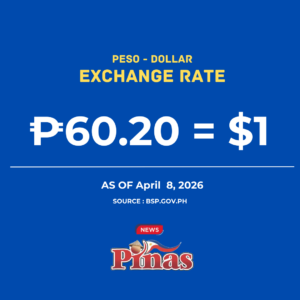
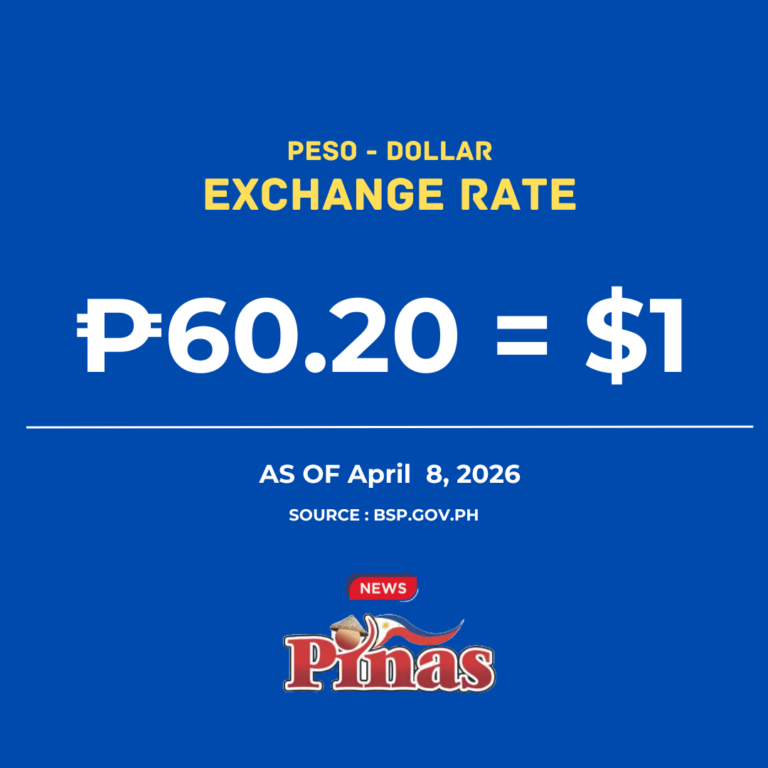
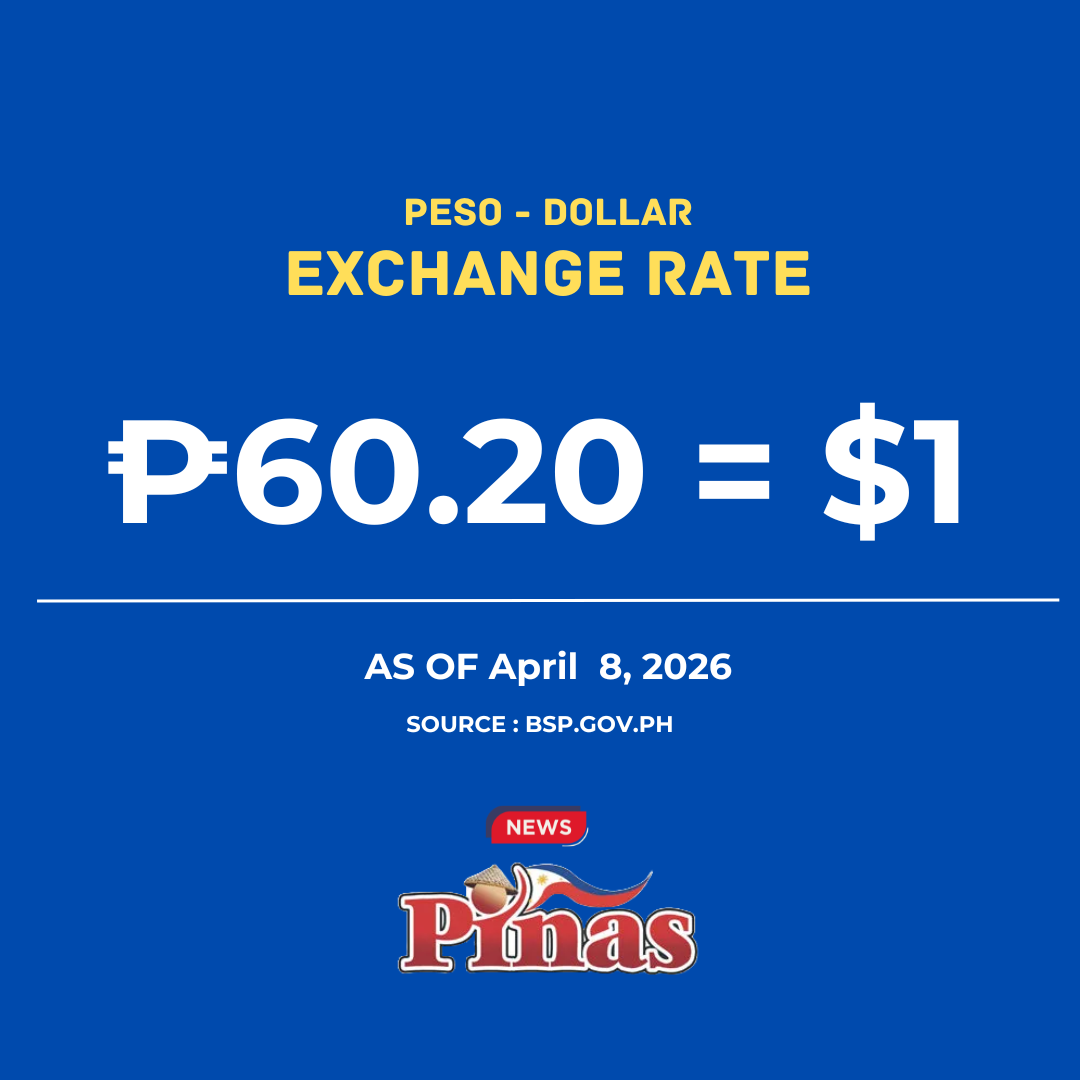
As of April 8, 2026, the Philippine peso stands at around ₱60.20 per US dollar—a level that continues to reflect pressure on the local currency.
Pause for a second.
Because when the peso weakens… everything changes.
Fuel prices rise.
Imported goods become more expensive.
Daily expenses quietly climb.
And it doesn’t stop there.
💵 The Dollar Still Dominates
The US dollar remains strong, sitting at ₱60.2060.
That strength is not just a number—it’s influence.
It affects global trade, oil prices, and even the money OFWs send back home.
For many Filipino families, a stronger dollar can mean bigger remittances…
but also higher costs locally.
A bittersweet reality.
💷 Strong Currencies Pull Ahead
Some currencies are pulling even further away from the peso:
- British Pound (GBP): ₱80.08
- Euro (EUR): ₱69.83
- Swiss Franc (CHF): ₱75.55
These are among the world’s strongest currencies—and right now, they highlight just how wide the gap has become.
If you’re earning pesos but spending abroad?
That gap feels even heavier.
💰 Gulf Currencies Hit Hard
Now here’s where it gets emotional for millions of Filipinos.
Many OFWs are based in the Middle East—and their currencies are holding strong:
- Bahraini Dinar (BHD): ₱159.57
- Saudi Riyal (SAR): ₱16.03
- UAE Dirham (AED): ₱16.39
The Bahraini dinar, in particular, stands out.
₱159 for just one unit.
That’s not just strength—that’s power.
And for OFWs, it represents opportunity… sacrifice… and hope.
🌏 Asian Currencies: Mixed Signals
Across Asia, the story is more balanced:
- Singapore Dollar (SGD): ₱46.95
- Chinese Yuan (CNY): ₱8.77
- Japanese Yen (JPY): ₱0.37
- Thai Baht (THB): ₱1.85
Some are stable.
Some are weaker.
But all of them are moving in response to global uncertainty—especially rising oil prices and ongoing geopolitical tensions.
💸 Emerging Markets Feel the Pressure
Currencies from developing economies are also showing signs of strain:
- Indian Rupee (INR): ₱0.64
- Indonesian Rupiah (IDR): ₱0.0036
- South African Rand (ZAR): ₱3.58
- Mexican Peso (MXN): ₱3.40
These numbers may look small…
But they reflect bigger challenges—slower growth, inflation, and global instability.
⚖️ What It All Means
Take a step back… and look at the bigger picture.
The peso is not alone.
Currencies around the world are shifting.
But for the Philippines, the impact hits close to home.
- Higher fuel costs
- Rising transport fares
- More expensive food and goods
And for ordinary Filipinos?
It’s felt every single day.
📊 Final Snapshot
- Peso vs Dollar: ₱60.20
- Strongest among list: Bahraini Dinar at ₱159.57
- Euro: ₱69.83
- Pound: ₱80.08
The message is clear.
The global economy is moving… fast.
And as currencies rise and fall, one question remains:
How much more can the peso—and Filipino households—keep up?