A quiet shift is happening… but it matters more than you think.
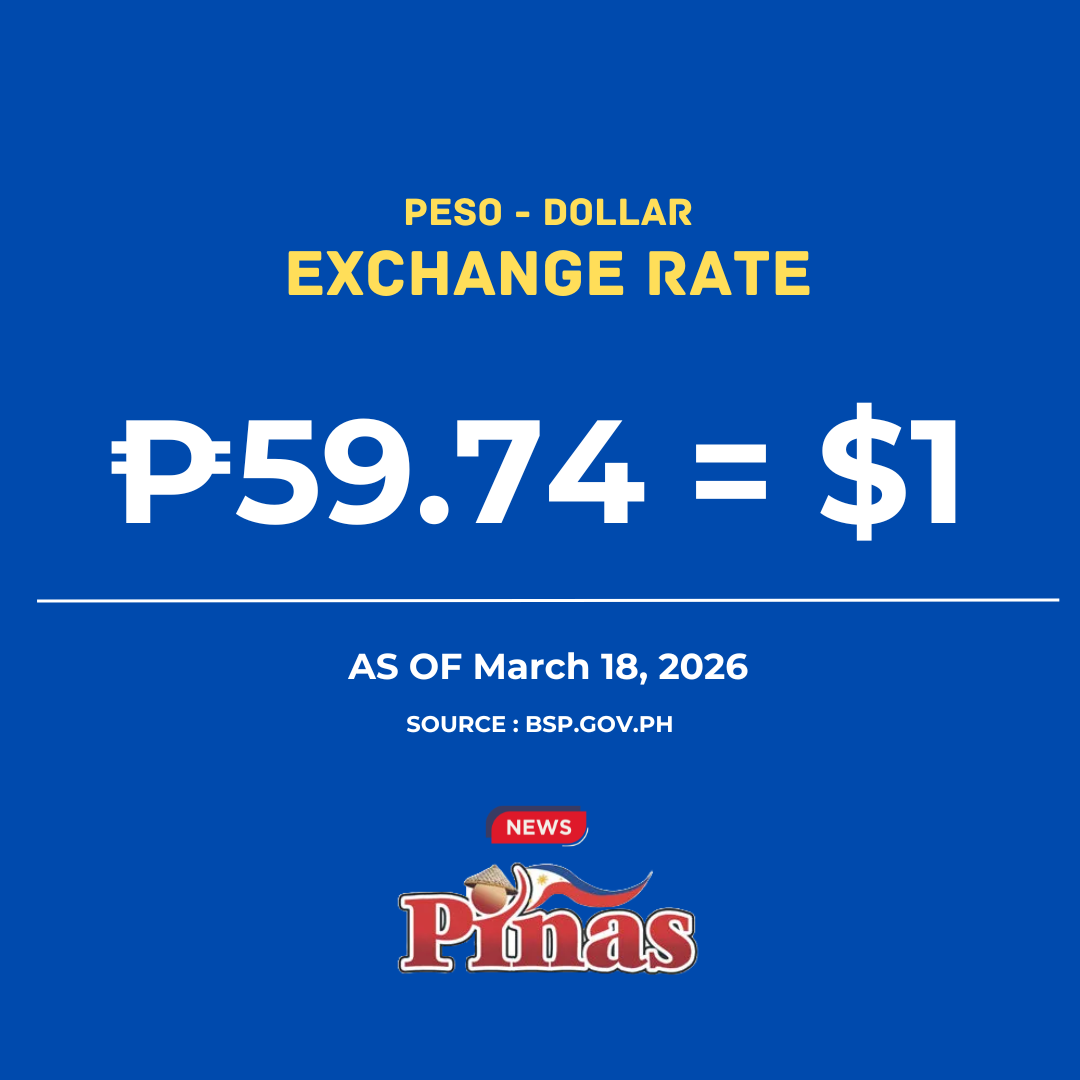
As of today, March 19, 2026, the Philippine peso continues to move under pressure—
hovering close to the critical ₱60 per US dollar level.
And while it may seem like just numbers…
these changes affect everything—
from food prices… to travel… to the money OFWs send home.
The Big Picture First
Right now, the numbers tell a simple but powerful story:
-
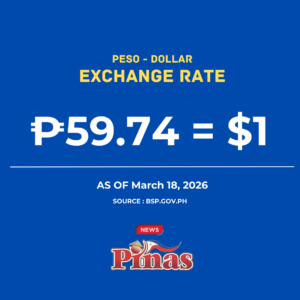
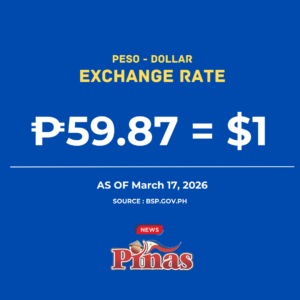
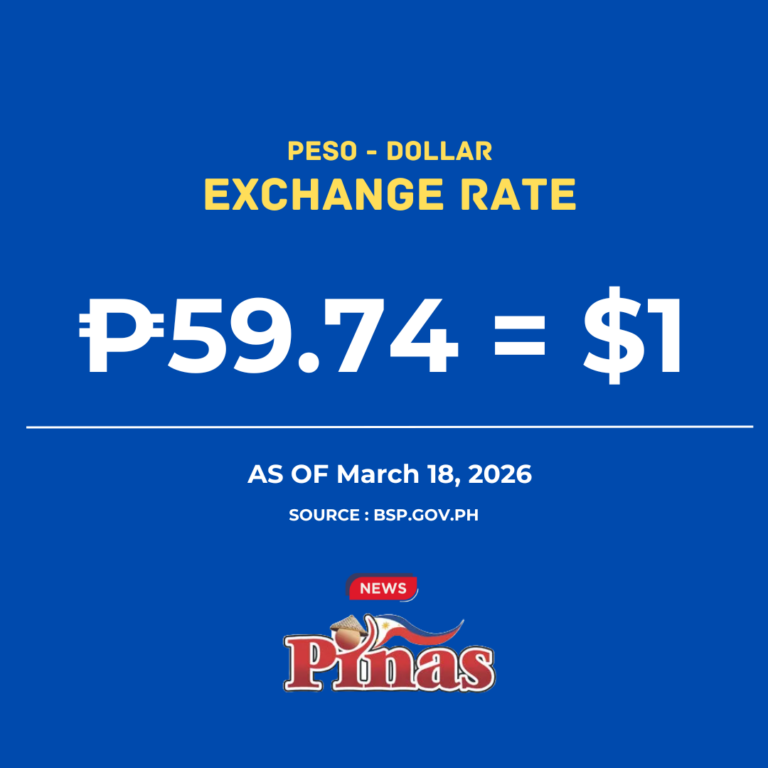
1 US Dollar = ₱59.74
-
The peso has weakened in recent weeks, nearing the ₱60 mark
It may look small…
But every centavo drop means higher costs for imports—fuel, goods, and daily essentials.
Top 15 Currencies vs Philippine Peso (PHP)
Here’s how the peso stacks up today against the world’s strongest and most traded currencies:
Major Global Currencies
-
🇺🇸 US Dollar (USD) — ₱59.74
-
🇬🇧 British Pound (GBP) — ₱79.83
-
🇪🇺 Euro (EUR) — ₱68.94
-
🇨🇭 Swiss Franc (CHF) — ₱76.14
👉 These currencies remain strong—
meaning imports from these regions are getting more expensive.
Asia-Pacific & Regional Powerhouses
-
🇸🇬 Singapore Dollar (SGD) — ₱46.82
-
🇭🇰 Hong Kong Dollar (HKD) — ₱7.62
-
🇯🇵 Japanese Yen (JPY) — ₱0.38
-
🇨🇳 Chinese Yuan (CNY) — ₱8.68
-
🇦🇺 Australian Dollar (AUD) — ₱42.42
👉 The yen remains weak, but others like SGD and AUD are holding steady—
keeping pressure on regional trade.
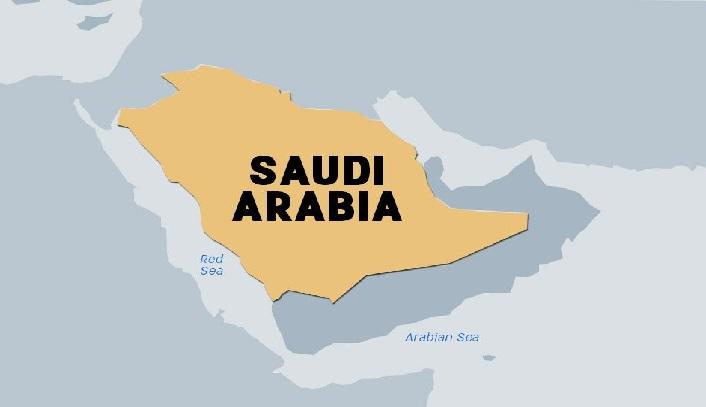
Middle East Currencies (OFW Impact Zone)
-
🇸🇦 Saudi Riyal (SAR) — ₱15.91
-
🇦🇪 UAE Dirham (AED) — ₱16.27
-
🇧🇭 Bahraini Dinar (BHD) — ₱158.34
👉 For OFWs, this is critical:
A stronger Middle East currency means
higher remittance value when converted to pesos.
Other Key Economies
-
🇨🇦 Canadian Dollar (CAD) — ₱43.64
-
🇳🇿 New Zealand Dollar (NZD) — ₱34.97
-
🇮🇳 Indian Rupee (INR) — ₱0.65
-
🇲🇾 Malaysian Ringgit (MYR) — ₱15.24
What’s Really Happening Behind the Numbers
Pause for a moment…
Because this isn’t just about exchange rates.
1. The Peso is Under Pressure
The peso has been slowly weakening—
dropping around 4% over the past year
That means:
-
Imported goods = more expensive
-
Fuel prices = more volatile
-
Cost of living = slowly rising
2. The Dollar is Still Dominating
The US dollar remains strong globally—
And when the dollar rises…
most currencies—including the peso—feel it.
3. OFWs Feel Both Sides
Here’s the emotional reality:
-
A weaker peso = better remittance value
-
But also = higher cost of living for families back home
It’s a double-edged sword.
A Quiet Reality Filipinos Can’t Ignore
These numbers don’t make noise.
They don’t trend like viral news.
But they shape everyday life.
Every grocery bill…
Every plane ticket…
Every padala from abroad…
is quietly affected by this.
The Bottom Line
The peso is holding… but barely.
Hovering near ₱60 per dollar,
it stands at a fragile point.
And if global pressures continue—
the next move could change everything.
Because sometimes…
the biggest stories aren’t loud.
They’re hidden in the numbers.