
The numbers are in… and they tell a story many Filipinos can already feel.
The peso is under pressure.
Again.
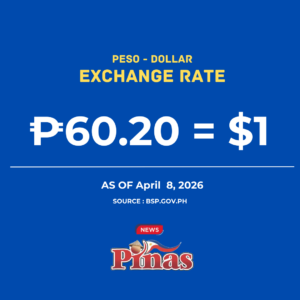
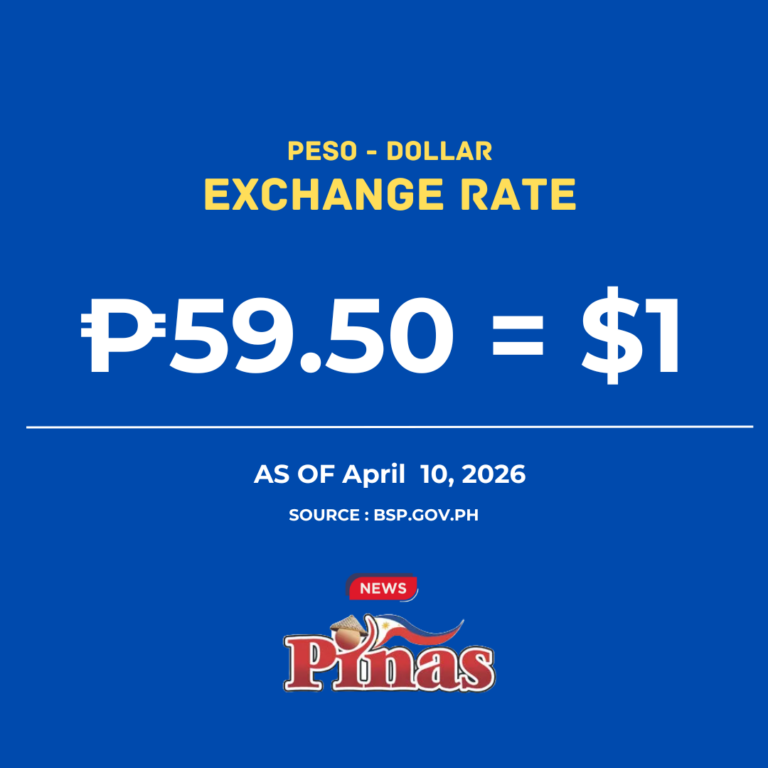
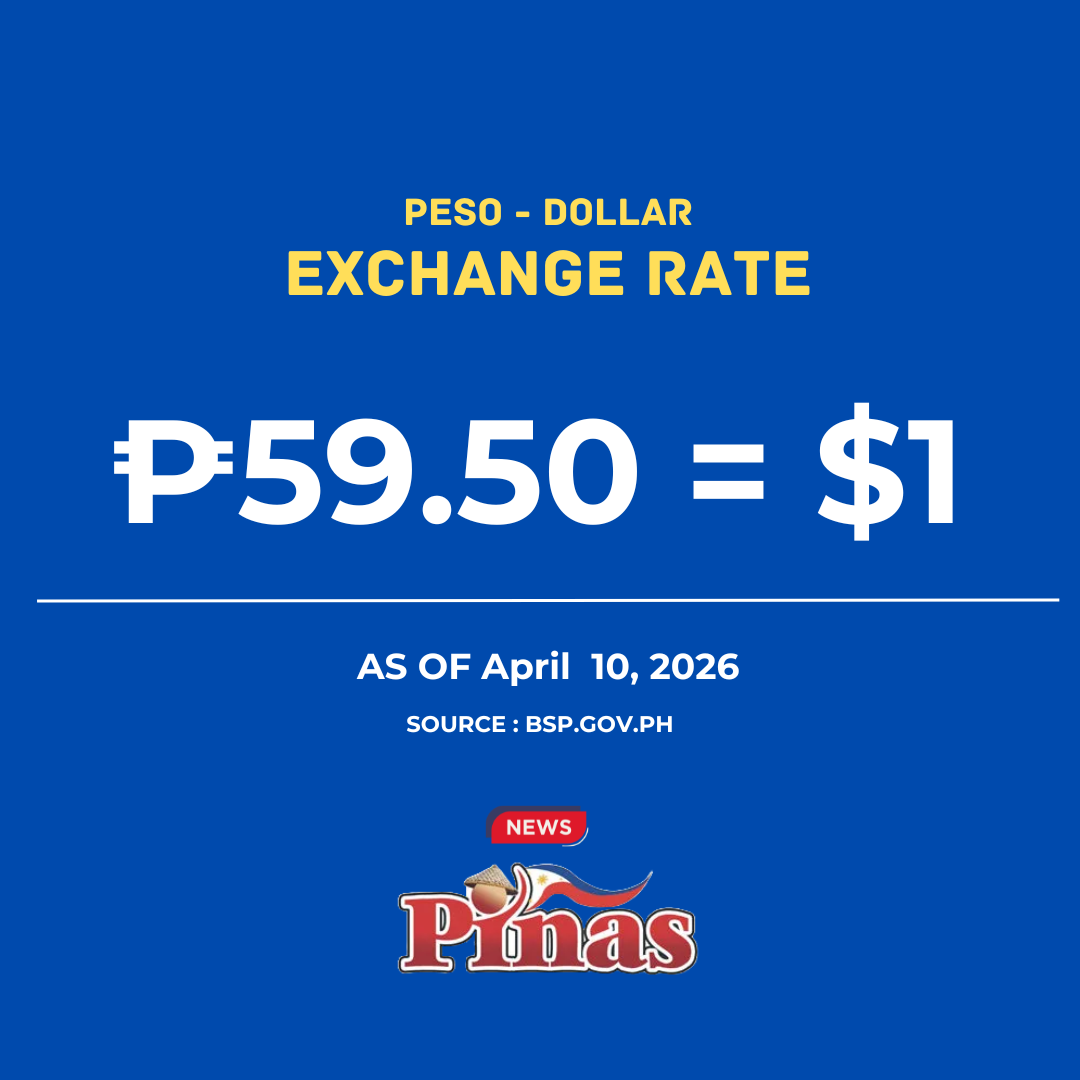
As of April 10, 2026, the Bangko Sentral ng Pilipinas (BSP) shows:
👉 ₱59.50 = $1 USD
A level that reflects a weakening peso—hovering near the ₱60 mark seen in recent weeks.
And behind that number… is a bigger global story.
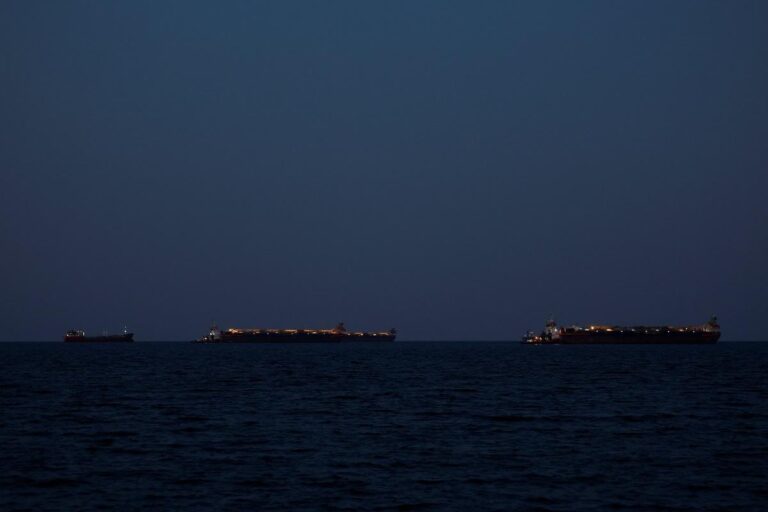
Rising oil prices.
Global tension.
And a stronger U.S. dollar pulling everything with it.
The Big Picture: Peso vs the World
Let’s break it down simply.
Here’s how the Philippine peso stacks up against the top global currencies right now:
💵 Top Global Currencies (PHP Value)
- 🇺🇸 US Dollar (USD) — ₱59.50
- 🇬🇧 British Pound (GBP) — ₱79.96
- 🇪🇺 Euro (EUR) — ₱69.64
- 🇨🇭 Swiss Franc (CHF) — ₱75.33
- 🇯🇵 Japanese Yen (JPY) — ₱0.37
Pause for a second…
The pound is nearing ₱80.
The euro is close to ₱70.
That means travel, imports, and foreign expenses?
More expensive.
🌏 Asia & Regional Currencies
- 🇸🇬 Singapore Dollar (SGD) — ₱46.78
- 🇭🇰 Hong Kong Dollar (HKD) — ₱7.60
- 🇨🇳 Chinese Yuan (CNY) — ₱8.71
- 🇰🇷 Korean Won (KRW) — ₱0.040
- 🇹🇭 Thai Baht (THB) — ₱1.86
- 🇮🇳 Indian Rupee (INR) — ₱0.64
Asia remains mixed…
But the peso still feels weaker against stronger regional currencies like Singapore’s dollar.
🌍 Middle East & Oil Economies
- 🇧🇭 Bahrain Dinar (BHD) — ₱157.83
- 🇸🇦 Saudi Riyal (SAR) — ₱15.86
- 🇦🇪 UAE Dirham (AED) — ₱16.20
Here’s the reality:
These currencies are tied closely to oil.
And right now… oil is driving the world.
🌎 Other Major Currencies
- 🇨🇦 Canadian Dollar (CAD) — ₱43.08
- 🇦🇺 Australian Dollar (AUD) — ₱42.13
- 🇳🇿 New Zealand Dollar (NZD) — ₱34.86
- 🇧🇷 Brazil Real (BRL) — ₱11.77
- 🇿🇦 South African Rand (ZAR) — ₱3.64
What’s Really Happening?
This isn’t just numbers.
This is movement.
The peso is weakening because:
- The U.S. dollar is getting stronger globally
- Oil prices are rising sharply
- Global uncertainty is pushing investors toward safer currencies like USD
And when that happens…
Emerging currencies like the peso take the hit.
What It Means for Filipinos
Let’s make it real.
When the peso weakens:
- Imported goods become more expensive
- Fuel prices go up
- Travel abroad costs more
- OFW remittances become stronger in peso value
It’s a mix of relief… and pressure.
The Bottom Line
₱59.50 per dollar isn’t just a number.
It’s a signal.
A signal that the global economy is shifting—fast.
And the Philippines, like many others, is feeling the weight of it.
Because in today’s world…
When the dollar moves—
Everyone feels it.