
The Philippine peso woke up this Friday facing a familiar reality — the US dollar remains strong, global currencies are mixed, and pressure on emerging markets hasn’t fully eased.
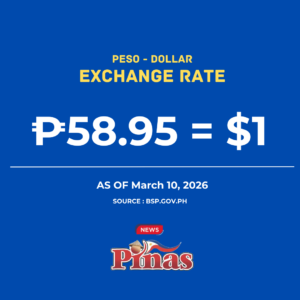
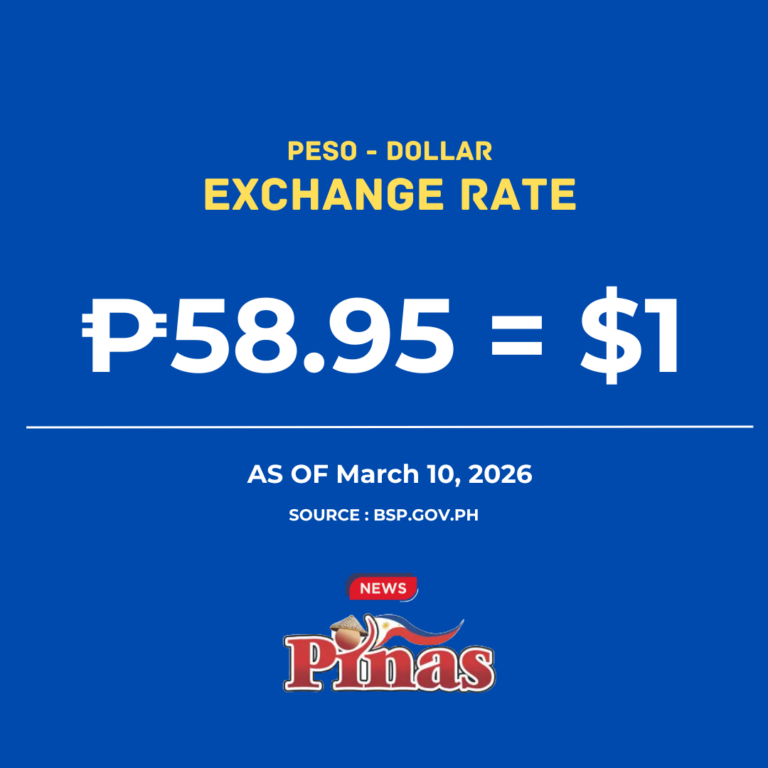
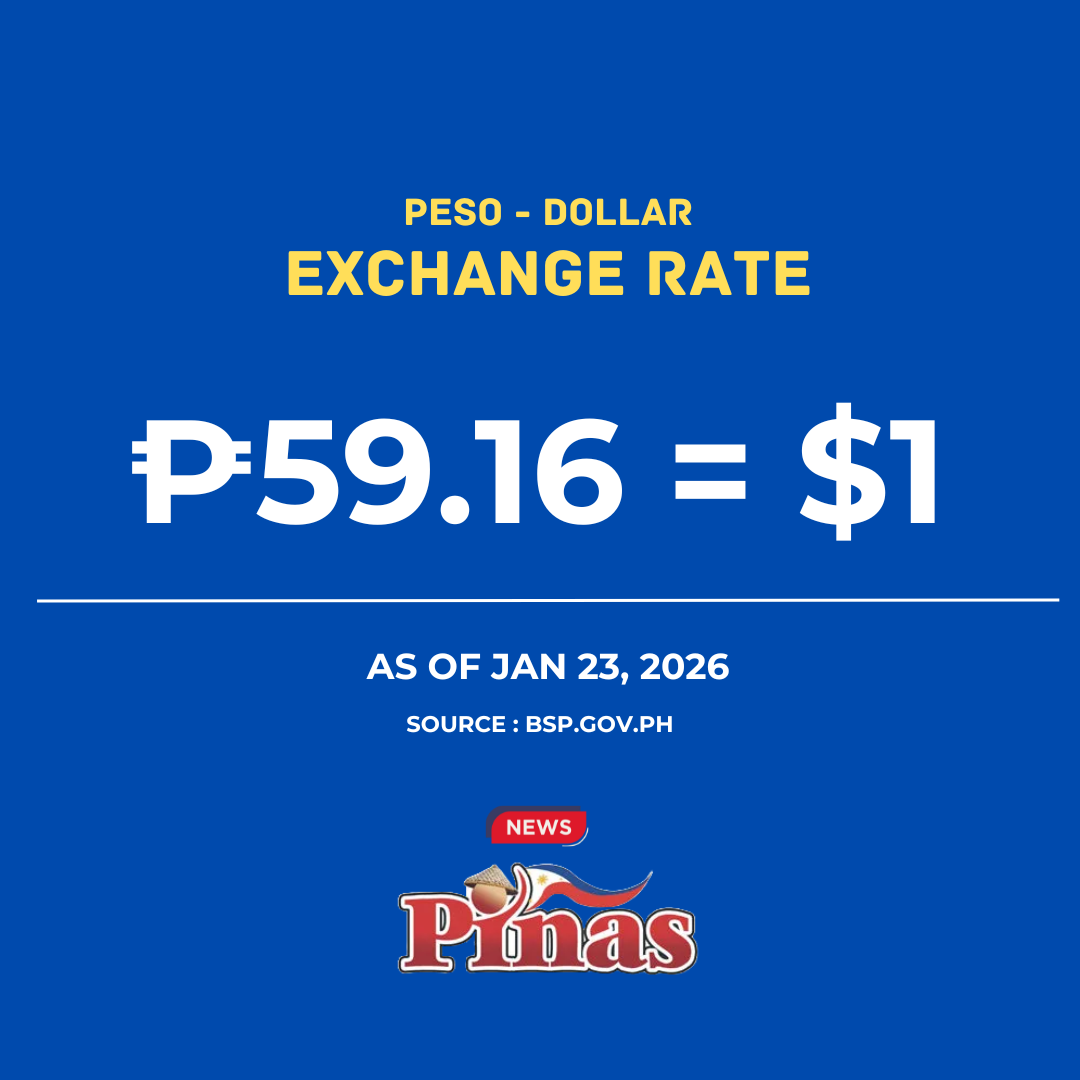
Based on the Bangko Sentral ng Pilipinas (BSP) Reference Exchange Rate Bulletin, the peso is trading at ₱59.17 per US dollar, staying close to recent levels and reflecting a cautious global mood.
Here’s what’s happening — in simple terms — with the top 15 major currencies and how they stack up against the peso today.
🇺🇸 US Dollar (USD): ₱59.17
The benchmark currency remains firm.
A strong dollar continues to weigh on the peso, driven by global demand for safety and tighter financial conditions. Import costs stay elevated, while overseas Filipino remittances benefit slightly from the higher rate.
🇯🇵 Japanese Yen (JPY): ₱0.37
The yen remains weak.
Japan’s ultra-loose monetary policy keeps the currency soft, making it cheaper against the peso — good for imports, but a sign of broader yen struggles.
🇬🇧 British Pound (GBP): ₱79.89
One of the strongest currencies on the board today.
The pound’s strength reflects resilience in the UK economy, but it also means higher costs for peso-based travelers and importers.
🇭🇰 Hong Kong Dollar (HKD): ₱7.59
Stable and predictable.
The HKD remains tightly linked to the US dollar, so it moves almost in lockstep with USD strength against the peso.
🇨🇭 Swiss Franc (CHF): ₱75.00
A classic safe haven.
The franc’s strength signals lingering global uncertainty, as investors continue to favor stability over risk.
🇨🇦 Canadian Dollar (CAD): ₱42.92
Moderately firm.
Commodity prices and steady economic data keep the loonie supported, though not aggressively strong.
🇸🇬 Singapore Dollar (SGD): ₱46.20
Strong and steady.
The SGD continues to outperform many Asian currencies, reflecting Singapore’s disciplined monetary policy.
🇦🇺 Australian Dollar (AUD): ₱40.47
Holding ground.
The Aussie remains supported by trade and commodity demand, though global slowdown concerns cap gains.
🇧🇭 Bahrain Dinar (BHD): ₱156.98
One of the strongest currencies versus the peso.
Pegged to the US dollar, its strength mirrors dollar dominance — magnified by its high face value.
🇰🇼 Kuwaiti Dinar (KWD): N/A
No rate available today.
Still widely regarded as the world’s strongest currency, its absence doesn’t change its global standing.
🇸🇦 Saudi Riyal (SAR): ₱15.78
Firm and stable.
Also dollar-pegged, the riyal tracks USD movements closely, keeping it strong against the peso.
🇧🇳 Brunei Dollar (BND): ₱46.02
Moves with the Singapore dollar.
Its strength reflects regional stability and strong fiscal backing.
🇮🇩 Indonesian Rupiah (IDR): ₱0.0035
Still fragile.
The rupiah remains weak against the peso, reflecting inflation pressures and capital flow concerns.
🇹🇭 Thai Baht (THB): ₱1.90
Soft but steady.
Tourism recovery helps, but regional competition keeps the baht from gaining momentum.
🇦🇪 UAE Dirham (AED): ₱16.11
Firm and predictable.
Another dollar-pegged currency, the dirham’s strength mirrors USD dominance.
Quick Market Snapshot
-
BSP Reference Rate: ₱59.15
-
BSP Buying Rate: ₱58.90
-
BSP Selling Rate: ₱59.40
-
PDS Closing Rate (Jan 22): ₱59.16
The Big Picture
The peso isn’t collapsing — but it isn’t breaking free either.
As long as the US dollar stays strong, the peso will likely remain under pressure. Still, steady BSP management and consistent remittances continue to act as shock absorbers.
For now, the peso holds its ground —
watchful, resilient, and waiting for a global shift.