
There’s a quiet shift happening.
Not loud.
Not obvious.
But if you look closely…
you’ll see it in the numbers.
The Philippine peso is moving—and the world is moving with it.
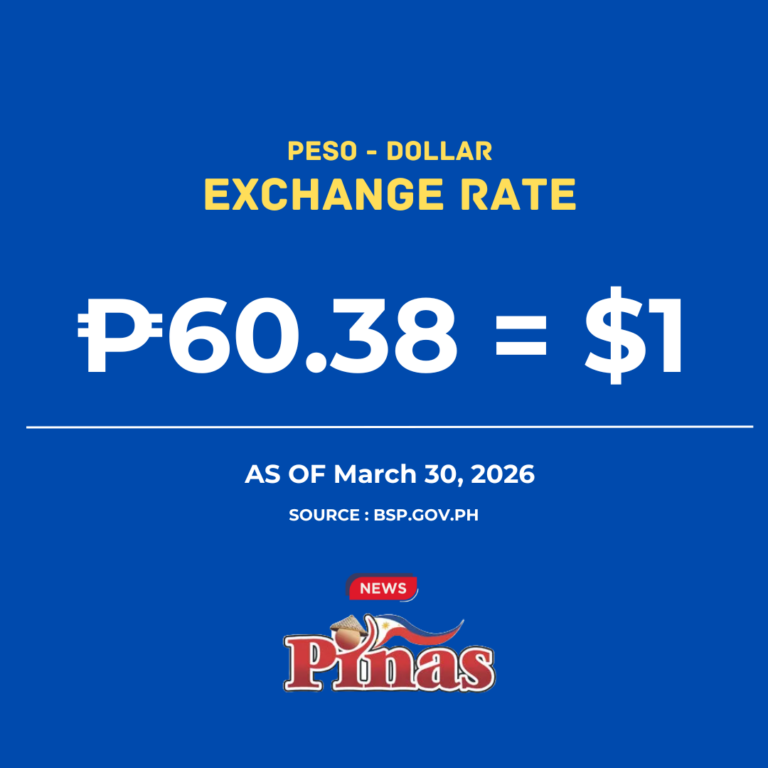
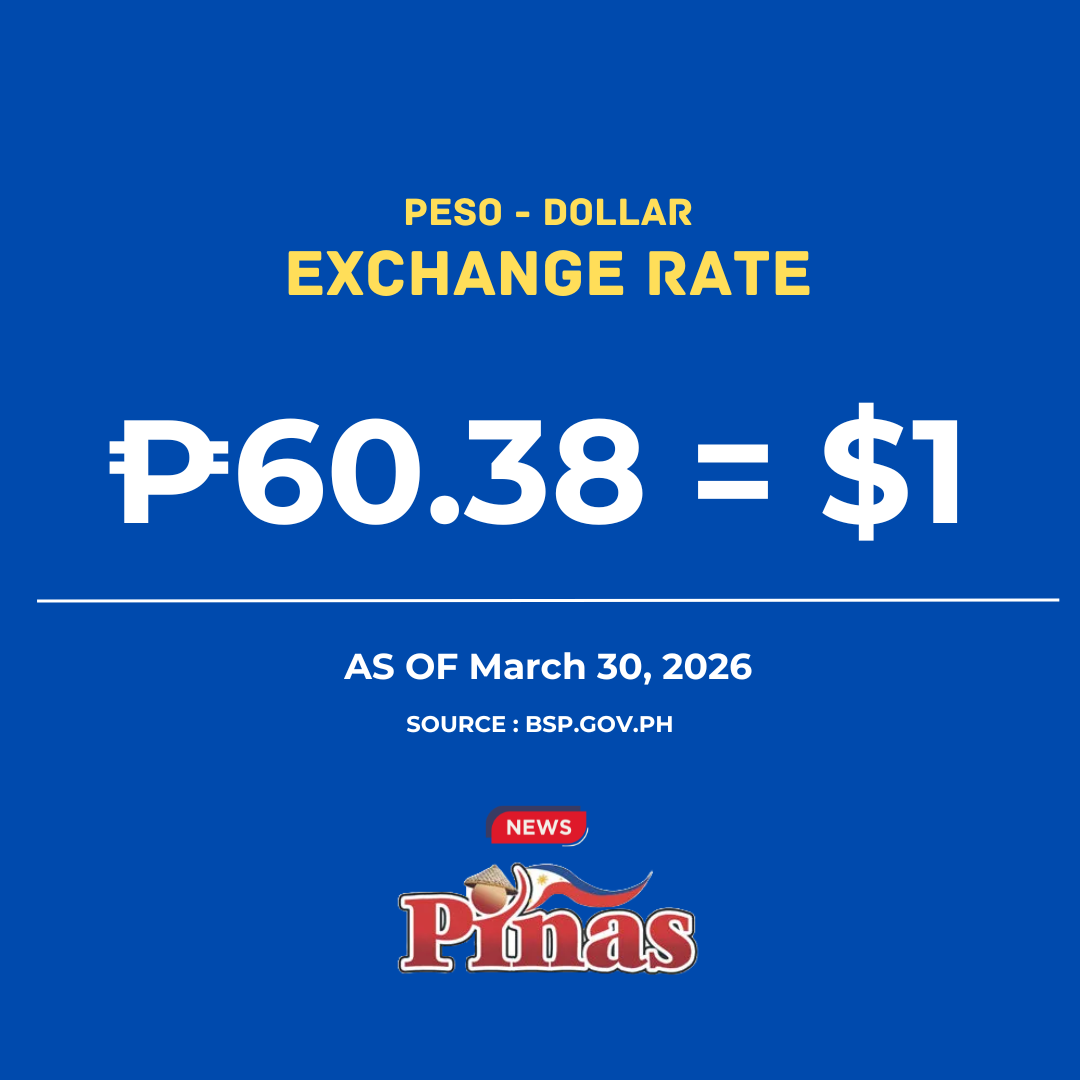
As of today, March 31, 2026, the peso is trading at around ₱60.38 per US dollar. And that number alone tells a story.
Because just a few weeks ago… it was lower.
Now, it’s climbing.
And that means one thing.
The peso is weakening.
💵 THE BIG PICTURE: PHP vs US DOLLAR
Let’s start with the most important one.
The US dollar.
At ₱60+ per $1, this is one of the highest levels we’ve seen in months. Back in February, it was closer to ₱57.
That’s a noticeable jump.
For OFWs, it can mean bigger remittances.
But for everyday Filipinos?
It often means higher prices.
Fuel.
Imports.
Basic goods.
Everything starts to feel heavier.
🌍 HOW THE PESO COMPARES TO TOP GLOBAL CURRENCIES
Now here’s where it gets interesting.
Let’s break it down simply—how much 1 unit of major currencies is worth in pesos:
- 🇬🇧 British Pound (GBP) → ₱80.17
👉 Strong. One of the most expensive currencies right now. - 🇪🇺 Euro (EUR) → ₱69.45
👉 Still powerful, reflecting Europe’s economic weight. - 🇨🇭 Swiss Franc (CHF) → ₱75.65
👉 Known as a “safe haven” currency—very stable. - 🇺🇸 US Dollar (USD) → ₱60.38
👉 The global benchmark… and rising. - 🇸🇬 Singapore Dollar (SGD) → ₱46.85
👉 Strong within Asia, driven by a stable economy. - 🇨🇦 Canadian Dollar (CAD) → ₱43.50
- 🇦🇺 Australian Dollar (AUD) → ₱41.45
👉 Commodity-driven economies—moving with global demand.
🌏 ASIAN CURRENCIES VS PESO
Closer to home… the comparison feels more relatable.
- 🇨🇳 Chinese Yuan (CNY) → ₱8.73
- 🇭🇰 Hong Kong Dollar (HKD) → ₱7.70
- 🇹🇭 Thai Baht (THB) → ₱1.83
- 🇯🇵 Japanese Yen (JPY) → ₱0.37
- 🇰🇷 Korean Won (KRW) → ₱0.04
These are smaller in value—but don’t be fooled.
They reflect entire economies.
Trade. Manufacturing. Technology.
And they all connect back to the Philippines.
🛢️ MIDDLE EAST CURRENCIES (WATCH THIS CLOSELY)
With global tensions rising, these currencies matter more than ever:
- 🇧🇭 Bahrain Dinar (BHD) → ₱160.05
👉 One of the strongest currencies in the world. - 🇸🇦 Saudi Riyal (SAR) → ₱16.09
- 🇦🇪 UAE Dirham (AED) → ₱16.44
For millions of OFWs in the Middle East…
these rates directly affect families back home.
💭 WHAT THIS REALLY MEANS
This isn’t just about numbers.
It’s about everyday life.
When the peso weakens:
- Imported goods get more expensive
- Fuel prices rise
- Inflation pressure builds
But at the same time:
- OFW remittances become more valuable
- Exporters gain an advantage
It’s a balance.
A constant push and pull.
📉 THE TREND: WHERE ARE WE HEADED?
Over the past month, the peso has weakened by over 4%, reflecting global uncertainty and economic pressure.
And right now…
The world isn’t exactly calm.
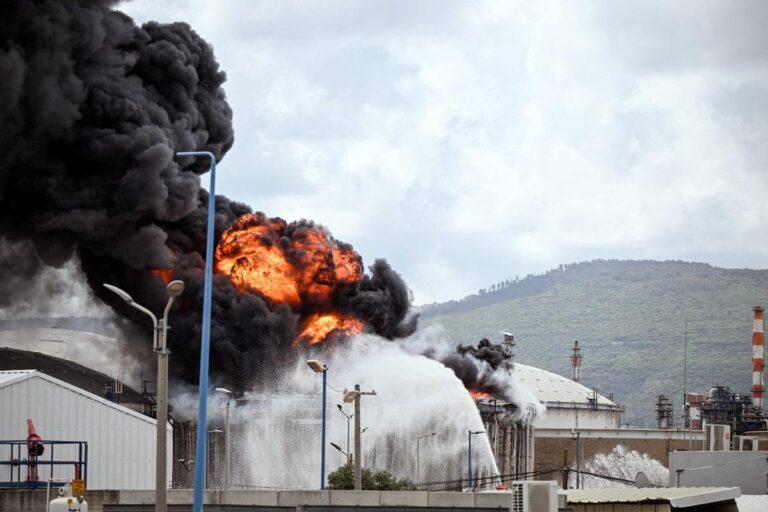
Oil prices are rising.
Geopolitical tensions are growing.
Markets are reacting.
Which means the peso?
It could face even more pressure in the coming weeks.
⏳ THE REAL QUESTION
Will the peso recover?
Or is this just the beginning of a bigger shift?
For now, one thing is clear:
Every movement in currency…
affects real lives.
From the food on your table…
to the money sent home…
to the cost of simply getting by.
And today—
₱60 per dollar isn’t just a number.
It’s a signal.