

Tensions Rise in Israeli Elections: A Story of Allegations and Unity
JERUSALEM — In a surprising twist during this week’s election, Prime Minister Benjamin Netanyahu made a bold claim. He alleged—without providing evidence—that the impressive voter turnout among Arab parties was tainted by voter fraud. This dramatic accusation has sparked fierce reactions from Arab leaders, who responded by accusing Netanyahu of incitement.
As the election unfolded, the enthusiasm within Arab communities was palpably high. Yet, Netanyahu and his far-right allies intensified their rhetoric, suggesting that the surge in Arab votes posed a significant threat to their power.
The Bigger Picture
With nearly 93% of votes counted, Netanyahu’s bloc of nationalist-religious parties held a slim lead, while Gadi Eisenkot, his main rival, struggled to gain enough support to form a government. Both coalitions remained short of the necessary 61 seats for a majority in the parliament.
What made this election particularly fascinating was the unexpected strength of the Arab minority, projected to secure a historic 19 seats—unprecedented in Israel’s political landscape. However, this newfound representation has stirred fears among some leaders, as Eisenkot’s options for forming a government seem limited without Arab support.
Threats of Delegitimization
Eytan Gilboa, a political professor, emphasized the implications of Netanyahu’s accusations. “His goal is to delegitimize any potential Arab-Jewish cooperation,” Gilboa explained. As tensions escalate, critics warn that Netanyahu’s aggressive stance could undermine not only the electoral process but also the fragile fabric of Israeli society.
Arab leaders, like Ahmad Tibi from the Arab Joint List party, have condemned Netanyahu’s claims. “This orchestrated campaign is designed to intimidate Eisenkot and deter him from forming a welcoming government,” Tibi stated firmly.
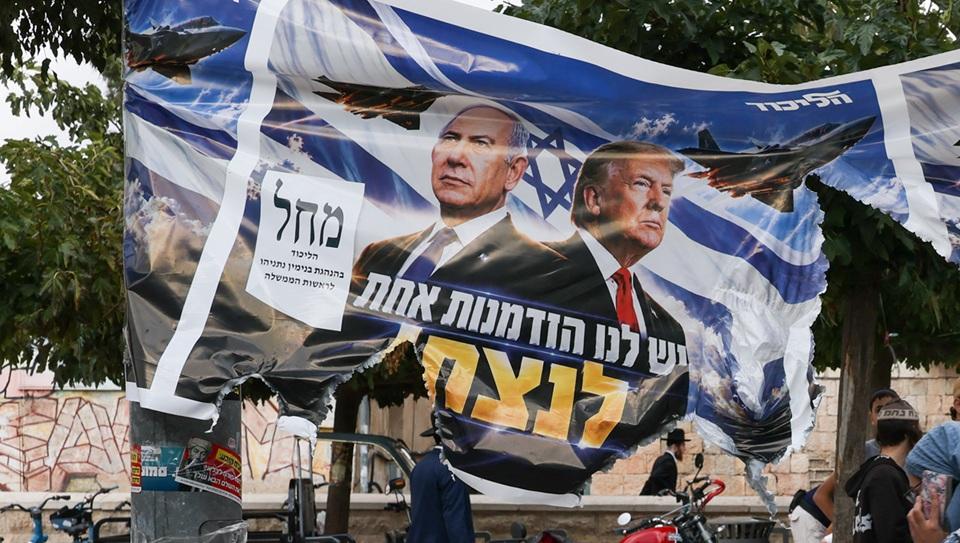
In the aftermath of the election, Netanyahu’s Likud party launched a barrage of accusations against Arab parties, claiming they were “stealing the vote.” Despite these serious allegations, no substantial evidence has been shared publicly. In fact, Israeli police reported arrests in areas with high Arab populations for alleged voter fraud, but those claims remain contentious.
A Call for Unity Amidst Division
Mansour Abbas, the head of the Ra’am party, voiced resilience against Netanyahu’s charges. “We stand against this campaign of incitement,” he declared, urging for a comprehensive investigation and affirming that, ultimately, the truth will prevail.
President Isaac Herzog now faces a pivotal moment. With the final vote tallying underway, he will consult with party leaders to identify who is best equipped to lead a new government. In the wake of Netanyahu’s past ousting from power in 2021—when a coalition hinged on Abbas’ support—this political landscape is ever-shifting.
Eisenkot, amid growing chaos, called for an inquiry to uphold the integrity of the election, while lamenting Netanyahu’s actions. “His tactics seem aimed at undermining the voice of the people,” he remarked.
In these turbulent times, Herzog asserted the importance of safeguarding the electoral process while honoring the rights of all citizens—especially Arab voters—a reminder that democracy thrives on participation, not division.
—
As the smoke settles from this contentious election, one thing is clear: the road ahead for Israel will be shaped by the voices of its diverse population. With hearts and hopes intertwined, the nation looks to the future, demanding fairness and unity among all its citizens.