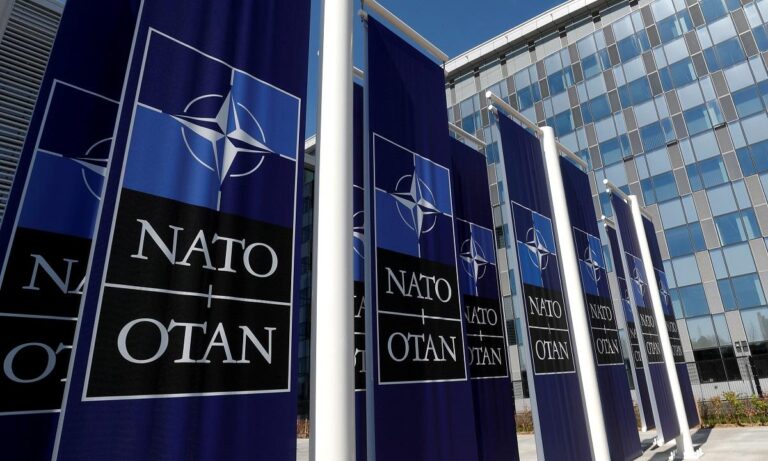
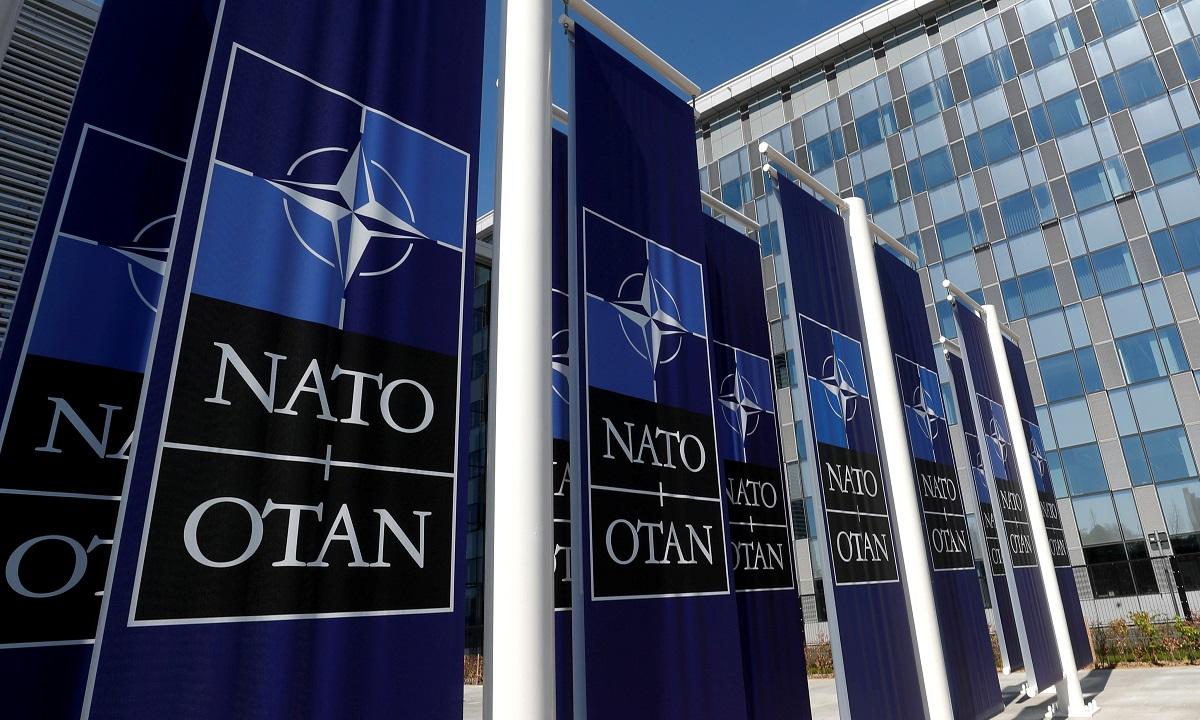
The alliance is cracking… and the world is watching.
What was once united… now feels divided.
On Monday, a clear line was drawn.
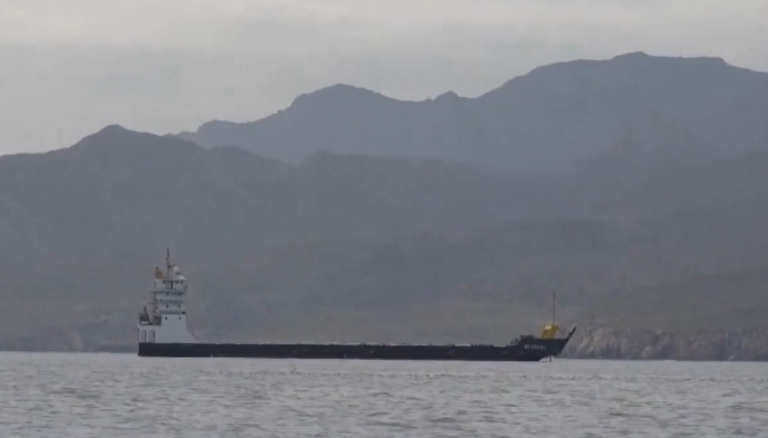
The United States pushed forward with a bold plan—to blockade the Strait of Hormuz, one of the most critical oil routes on the planet.
But this time… its closest allies stepped back.
Britain.
France.
And other NATO nations.
They said no.
A quiet refusal—but one that echoed loudly across the global stage.
President Donald Trump had announced that the U.S. military would move to block maritime traffic in the strait after peace talks with Iran collapsed.
The goal?
To tighten pressure.
To control movement.
To force a shift.
“The Blockade will begin shortly,” Trump declared.
But as the plan moved forward… support did not follow.
Instead, hesitation.
Concern.
And ultimately—distance.
“We’re not supporting the blockade,” British Prime Minister Keir Starmer said plainly.
No room for interpretation.
No hesitation.
“My decision has been very clearly… we’re not getting dragged into the war.”
Behind those words was something deeper—
Pressure.
Heavy, undeniable pressure.
But still… a firm stand.
France echoed the same tone.
Not confrontation—but caution.
Because the Strait of Hormuz is not just another waterway.
It carries nearly one-fifth of the world’s oil.
Any disruption doesn’t stay local—
it spreads.
Globally.
Rapidly.
And right now, it’s already under strain.
Since the conflict began in late February, Iran has effectively restricted access, sending shockwaves through global supply chains.
Fuel markets.
Shipping routes.
Economic stability.
All hanging in the balance.
So instead of joining the blockade… Europe is choosing another path.
Diplomacy.
French President Emmanuel Macron announced plans to gather nations and build a multinational mission—not to fight, but to protect navigation.
A defensive move.
Careful.
Calculated.
“This mission will be deployed as soon as the situation allows,” he said.
Britain, meanwhile, is preparing for what comes after—looking into ways to ease the financial burden on ships once the conflict ends.
Even Turkey weighed in, urging for dialogue instead of force.
Because sending an international military force?
That, they warn, could complicate things even more.
And within NATO… the tension is growing.
The alliance that once stood solid is now facing internal strain.
Trump has already hinted at pulling U.S. troops from Europe.
Allies have resisted previous requests.
Trust is… shifting.
Slowly. But noticeably.
Now the question is no longer just about the Strait of Hormuz.
It’s about unity.
About direction.
About what happens when allies no longer move as one.
Because in moments like this—
what isn’t done… speaks just as loudly as what is.