

A Historic Ruling: The UN Court Declares Myanmar’s Actions Against the Rohingya as Genocide
In a moment that resonates with heartbreak and urgency, the International Court of Justice (ICJ) in The Hague delivered a landmark ruling on Thursday. After years of silence and suffering, the court found that the atrocities committed by Myanmar’s security forces against the Rohingya Muslim minority in 2017 amounted to state-sponsored genocide.
This decision, seven years in the making and spearheaded by predominantly Muslim Gambia, marks a significant juncture in our global commitment to human rights. It stands as only the fourth recognition of genocide since the dark days of the Nazi Holocaust. And astonishingly, it is the first time a state has been held accountable for genocide in such a manner.
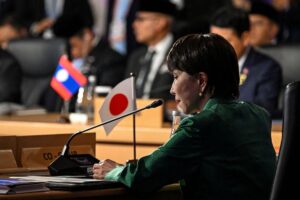
Judge Yuji Iwasawa, presiding over the case, spoke with sorrow and gravity as he detailed the findings. “The court finds that Myanmar’s security forces killed thousands of Rohingya civilians,” he stated, emphasizing the relentless violence that ensued. From horrific acts of sexual violence to the brutal targeting of children, it was clear: the military’s campaign was a systematic attempt to obliterate the Rohingya community.
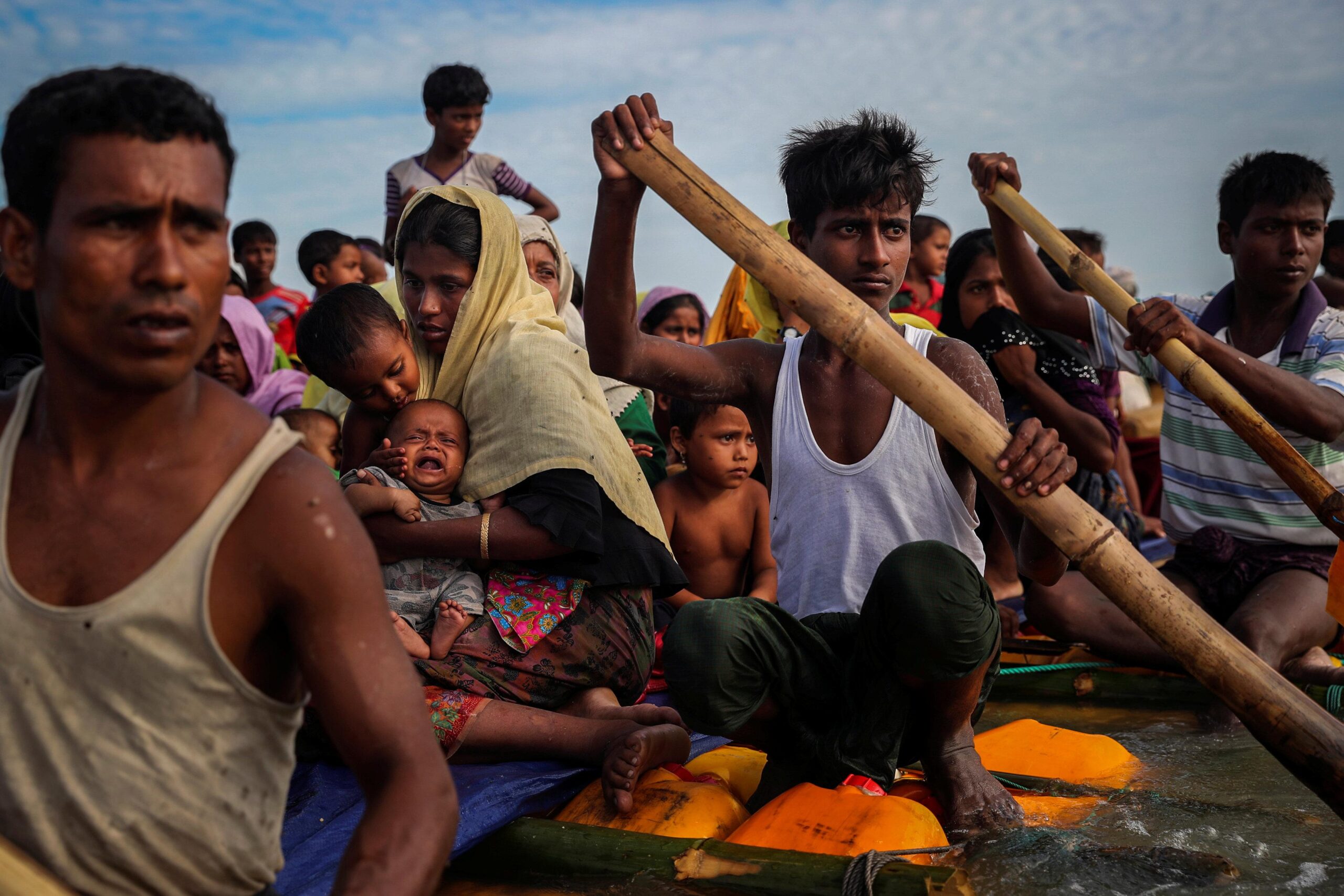
Imagine for a moment the harrowing journey of Rohingya refugees. Siblings clinging to one another as they crossed the Naf River— a divide between life and the unknown, a bridge over memories of terror. As they fled violence, the world looked on with a mixture of horror and helplessness.
The panel of judges did not hold back in their findings. They confirmed that Myanmar’s military had conducted mass executions and widespread rape against innocent civilians. They burned entire villages during what they called “clearance operations.” The pervasive spread of hate speech against the Rohingya population only intensified the chilling reality of their plight.
This ruling is not just a legal victory for Gambia; it is a call to action for the global community. The ICJ’s verdict cannot be appealed, a stark reminder of the irreversible nature of the consequences faced by both the Rohingya and those who perpetrated these horrors.
With the court declaring that the “only reasonable inference” explains Myanmar’s actions as intent to destroy the Rohingya population, it calls for accountability—now and in the future. Myanmar has been ordered to compensate the Rohingya for the grave violations committed and must facilitate their safe return, allowing families to reunite and heal.
As we reflect on this groundbreaking decision, we must remember that similar acknowledgments of genocide have been rare. The struggles faced in Rwanda, Bosnia, and Cambodia echo in the present, challenging us to stand united against such atrocities.
The implications of this ruling stretch far beyond Myanmar’s borders. It casts a shadow over other ongoing conflicts, including accusations against Israel in its actions in Gaza, highlighting the urgent need for justice in every corner of the world.
As we witness history unfolding, let this ruling serve not just as a legal examination but as a reminder of our shared humanity. For every statistic, every number, there are stories of lives shattered, dreams extinguished, and hopes dashed. In these painful narratives, let us find the strength to advocate for a world where such atrocities are no longer tolerated.
Together, we must strive for a future where dignity prevails, and every voice—every story—is honored and heard.