

Filipino families still worried as deportations continue quietly
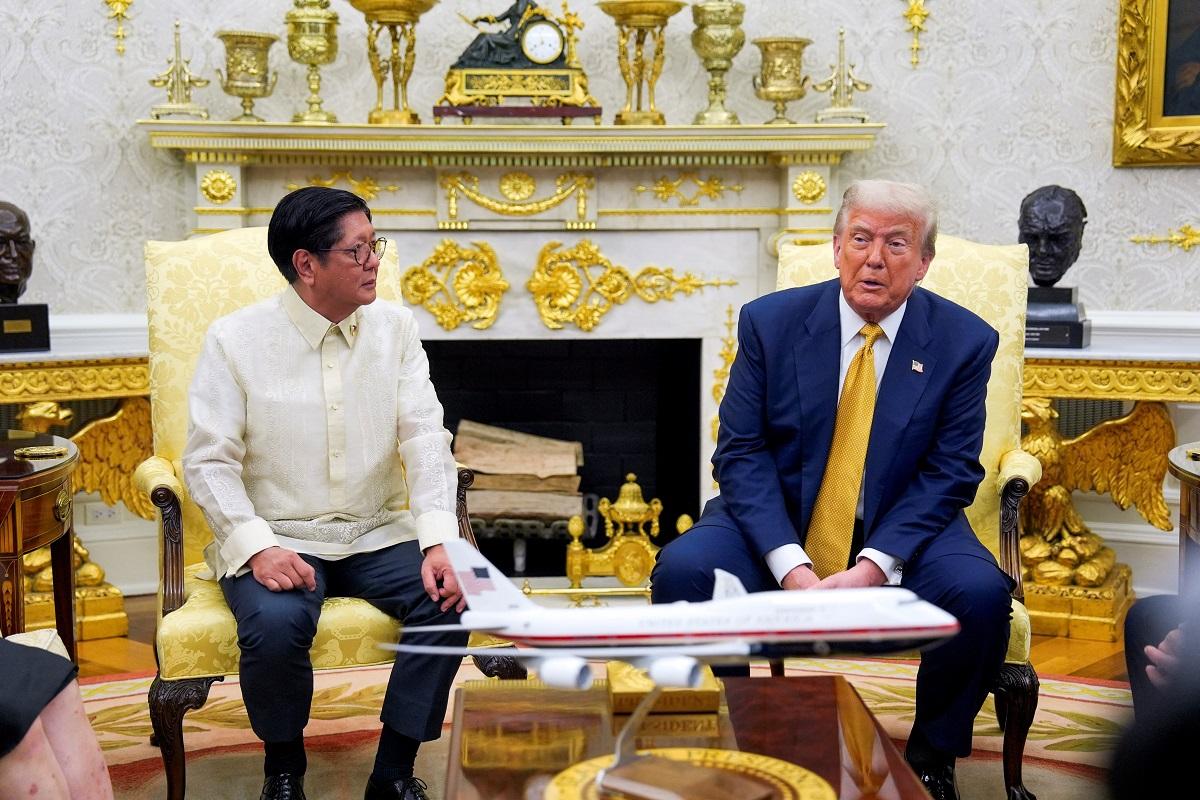
President Ferdinand “Bongbong” Marcos Jr. just came home from a big visit to the United States, where he met with former US President Donald Trump at the White House. People were expecting them to talk about a lot of important topics—including the strict immigration rules in the US.
But to everyone’s surprise… they didn’t talk about immigration at all.
🗣️ “It wasn’t brought up,” President Marcos told Filipino reporters during a press conference. “We know what’s going on, but that topic just didn’t come up during the meeting.”
So what’s happening in the US?
🇺🇸 Since Donald Trump started his second term as president in January, he has promised to enforce tough immigration rules. That includes mass deportation (forcing people to leave the US) if they are caught staying illegally, or if they have criminal records.
Marcos explained that, from what the Philippine government has observed, the US is now focusing on deporting people who:
-
Are staying in the US illegally
-
Have criminal records
-
Are wanted by authorities
-
Have already been convicted of crimes
“These are usually the people being sent back home,” Marcos said in Filipino.
Even though immigration wasn’t discussed, the Philippine Embassy in the US is doing what it can to help undocumented Filipinos. 🇵🇭 They are offering help through immigration lawyers, who guide people on their rights and legal options.
🚨 But the reality remains scary for many.
Recently, US Immigration and Customs Enforcement (ICE) arrested a 29-year-old Filipino in Middlesex, Massachusetts. He was one of 11 undocumented immigrants from different countries who were caught because they had committed crimes.
👤 These arrests are part of a bigger plan by the Department of Homeland Security (DHS) to track down illegal immigrants with records and send them back to their home countries.
🧳 According to Philippine Ambassador to the US Jose Manuel Romualdez, it might be better for Filipinos who are TNTs (Tago Nang Tago – or hiding from immigration authorities) to leave the US voluntarily rather than be forcibly deported. Staying too long could lead to more serious legal problems, he warned.