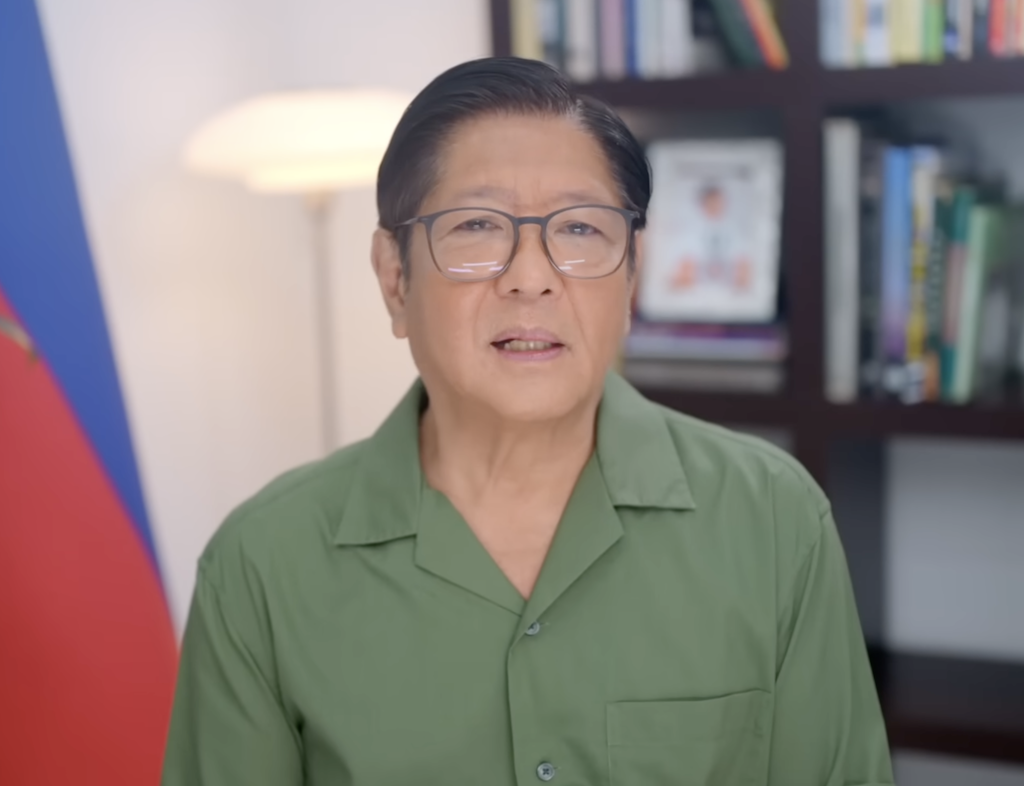
President Ferdinand “Bongbong” Marcos Jr. on Friday called on Catholic faithful to let their devotion to Jesus Nazareno shape not only their prayers—but their everyday lives.
As Filipinos gathered to commemorate the annual Feast of Jesus Nazareno, the President reflected on the deep meaning behind one of the country’s strongest expressions of faith.
A faith built on sacrifice.
On perseverance.
And on solidarity.
“This year’s Feast is not just about reaching for the image,” Marcos said.
“It is about letting this devotion guide how we think, how we act, and how we help one another—long after the procession ends.”
For millions of devotees, touching the image of Jesus Nazareno is an act of hope.
An offering.
A promise.
And Marcos reminded them that the same strength shown in that single moment can also be lived out every day.
“If we can endure great lengths just to reach the image,” he said,
“then we can also persevere in choosing honesty over falsehood, service over self-interest, and compassion over indifference.”
The President expressed hope that the Feast would inspire more than personal prayer.
That it would lead to shared responsibility.
To lifting one another up.
To keeping hope alive in daily struggles.
“May this celebration deepen our vow to carry one another’s burdens,” Marcos said,
“to share opportunities more fairly, and to build a more humane and faithful Bagong Pilipinas.”
Marcos also spoke of the distinctly Filipino face of faith—a faith that walks barefoot on burning streets, pushes through crowded roads, and carries the weight of everyday worries.
“In every procession,” he said,
“we see stories of sacrifice and perseverance—families standing firm, communities moving forward, refusing to let dignity or hope slip away.”
The image of Jesus Nazareno stumbling under the weight of the cross, he added, mirrors a people who know exhaustion—yet still choose to rise.
Still choose to move forward.
Together.
At the same time, the President acknowledged that the prayers and stories of devotees reveal something deeper: the need for more responsive governance and better public service.
“When we listen to their hopes and aspirations,” Marcos said,
“we see the gap between the burdens people carry and the support they receive—and where wiser governance can help bridge that distance.”
To ensure the safe and orderly observance of the Feast, January 9 was declared a special non-working day in the City of Manila, as millions of devotees were expected to gather at the Minor Basilica and National Shrine of Jesus Nazareno in Quiapo.
In the end, the message was clear.
Faith does not end with the procession.
It begins with how people live—after the streets grow quiet.