

A Sea of Turmoil: The Sinking of the Gas Husky
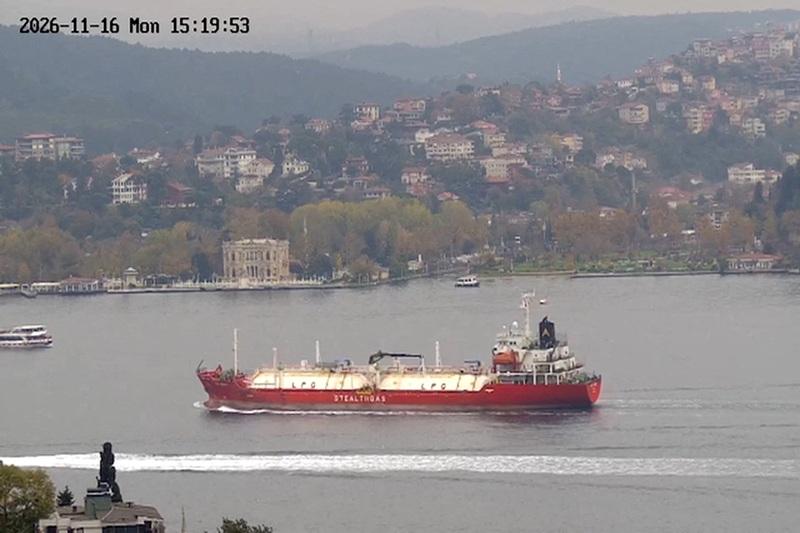
SOFIA, Bulgaria – The sun rose over Bulgaria’s tranquil Black Sea coast on Tuesday, but beneath its calm surface, a storm was brewing. A tense situation unfolded when the *Gas Husky*, a liquefied petroleum gas tanker, was struck by projectiles, leaving it to sink into the deep blue.
This incident wasn’t an isolated one; it adds to a troubling trend of maritime attacks in the area. The *Gas Husky*, flying the Liberian flag, was transporting 3,400 metric tons of LPG from Egypt to Romania. On that fateful morning, panic erupted when the ship sent out a distress signal, just about 50 miles east of Byala.
In a heart-stopping turn of events, all 19 Filipino crew members were safely rescued. They have escaped the harrowing aftermath, but the scars of that day will linger on. Varna’s regional governor, Mario Smarkov, expressed his concerns, “There is no doubt about the number of strikes—there were four.” Yet, he admitted he could not confirm what type of drones were responsible.
Sources familiar with maritime security mentioned that the *Gas Husky* was targeted by an unmanned system, showcasing the changing face of naval warfare. The attack struck just a day after another cargo ship, laden with wheat, sank in the same waters—heightening fears about the rising tensions in the Black Sea, a vital route for Ukraine’s grain exports.
Since mid-July, over 17 vessels have faced similar fates off the coasts of Bulgaria and Romania, raising alarm bells for those tracking the region’s escalating conflict. The Black Sea has become a battleground, with the ongoing Russian-Ukrainian tensions casting a long shadow. Both countries are navigating a perilous path, and the waters have become fraught with danger.
Romanian and Bulgarian officials have been careful not to place blame solely on one party, though, at times, there have been veiled accusations directed toward Russia. Maritime security experts, too, have raised eyebrows at the potential of Russian involvement, a claim that the Kremlin staunchly denies. On the other hand, Moscow has not hesitated to accuse Ukraine of targeting its vessels in the Black Sea trades.
It’s hard not to feel the weight of uncertainty pressing down on the sailors and their families as the winds of conflict swirl ever closer to the shores. Each attack adds a new layer of turmoil to an already fragile situation. As the sun sets on Bulgaria’s coast, one can only hope for peace to return to these waters where the sea has become as threatening as it is beautiful.
The *Gas Husky*, now at the bottom of the sea, is a grim reminder of the escalating perils that maritime workers face in these treacherous times—a somber chapter in a story that feels far from its conclusion.