


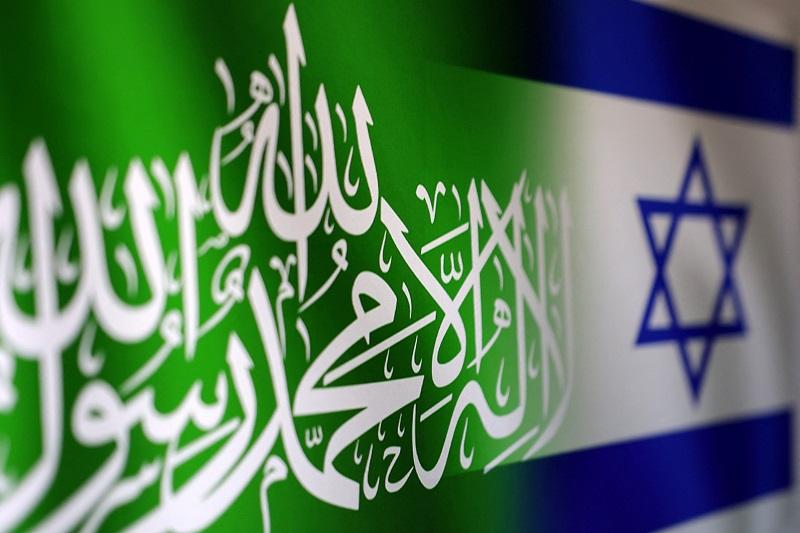
WASHINGTON/CAIRO — In a breakthrough that could reshape the Middle East, Israel and Hamas have agreed to the first phase of former US President Donald Trump’s plan to end the Gaza war—a fragile ceasefire and hostage release deal announced Wednesday.
The agreement comes just one day after the war marked its second year since Hamas’ cross-border assault that killed 1,200 Israelis and triggered Israel’s devastating military campaign in Gaza. Since then, Gaza authorities say more than 67,000 Palestinians have died, with entire neighborhoods reduced to rubble and hundreds of thousands facing famine.
A Fragile First Step
The deal, hammered out through indirect talks in Egypt, represents the closest both sides have come to halting the conflict. Trump, speaking on his Truth Social account, hailed it as “the first steps toward a Strong, Durable, and Everlasting Peace.”
The first phase calls for:
-
Release of all hostages held by Hamas within days.
-
Israeli troop withdrawal to an agreed line inside Gaza.
-
Immediate humanitarian aid delivery to starving civilians.
“This means that ALL of the Hostages will be released very soon,” Trump declared. “Israel will withdraw their Troops… as the first steps toward peace.”
Israeli Prime Minister Benjamin Netanyahu, facing growing public pressure from hostage families, confirmed the deal and vowed: “With God’s help we will bring them all home.”
Hamas, for its part, confirmed the agreement but urged Trump and other guarantor states to ensure Israel follows through, noting previous ceasefires collapsed under mistrust.
What Comes Next
Hamas sources said hostages who are still alive could be released within 72 hours of Israel’s government approval. Israel expects the process to begin as early as Saturday. The recovery of deceased hostages—believed to be about 28—will take longer, given the devastation across Gaza.
Still, many questions remain unanswered. Who will govern Gaza after the war? Will Israel commit to a full withdrawal? And what role will Hamas play in the territory’s future?
Trump’s plan proposes an international body—including Trump himself and former UK Prime Minister Tony Blair—to oversee Gaza’s post-war administration. Arab countries backing the deal insist it must pave the way toward Palestinian statehood—something Netanyahu has repeatedly rejected.
Global Pressure and Human Cost
The war has left Israel increasingly isolated, with critics accusing it of genocide. Israel insists it is acting in self-defense. Meanwhile, daily casualties in Gaza remain high, though recent days have seen fewer deaths compared to the relentless bombardments of past months.
UN Secretary-General Antonio Guterres urged all sides to honor the deal and allow humanitarian supplies into Gaza without delay. “The suffering must end,” he said.
A Moment of Hope—But Uncertainty Remains
For Trump, the accord could be a major foreign policy win after pledging to bring peace to global conflicts. He hinted at traveling to Egypt and possibly Israel this weekend to personally advance the deal.
Whether this agreement will hold—or collapse like so many before it—remains to be seen. But for families of hostages and the war-weary people of Gaza, the announcement offers a glimmer of hope after two years of unrelenting bloodshed.