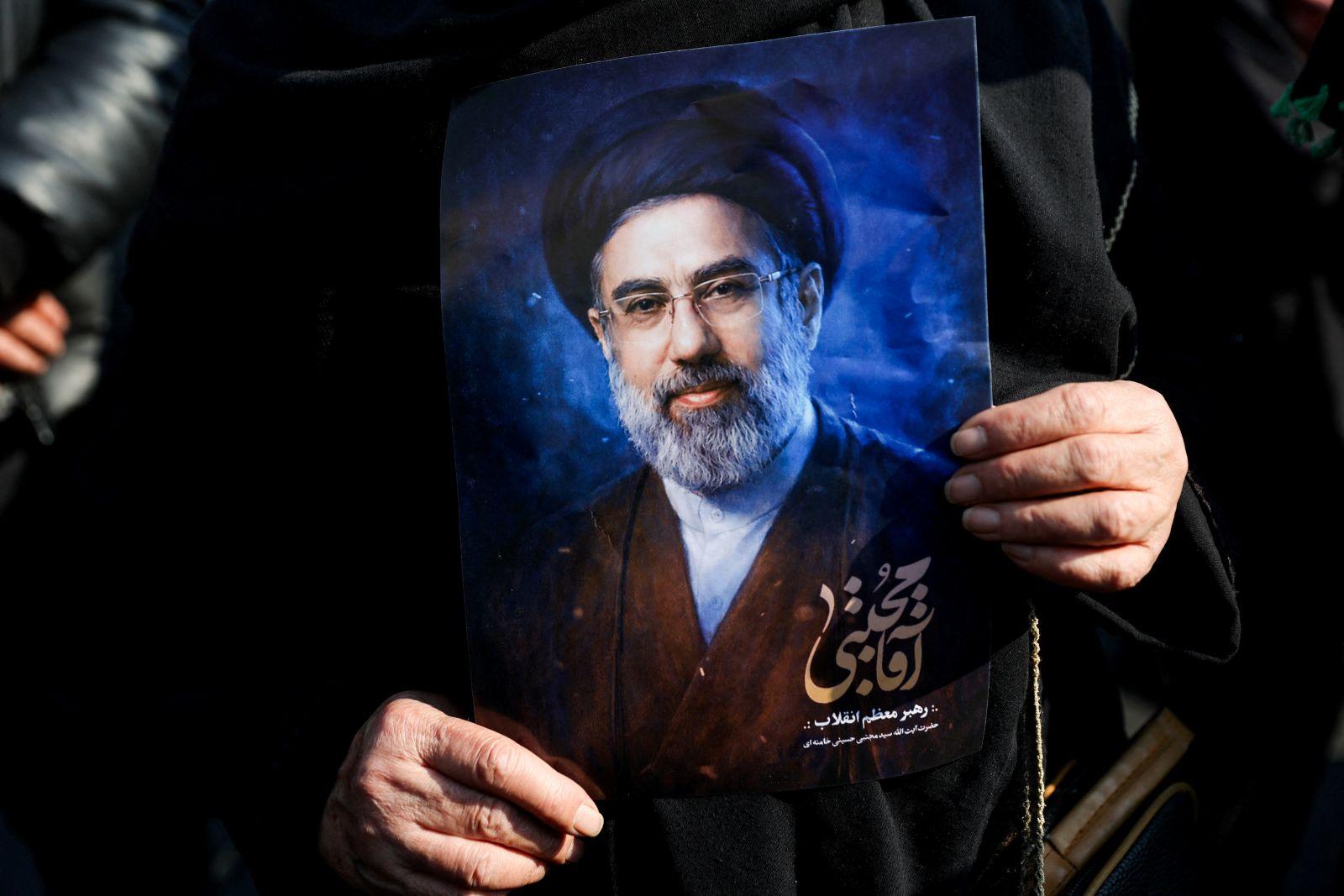
The Middle East conflict took a dramatic turn this week as Iran’s new supreme leader delivered a defiant message to the world.
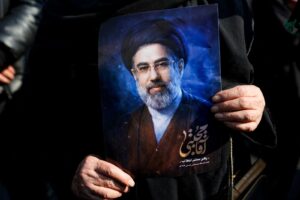
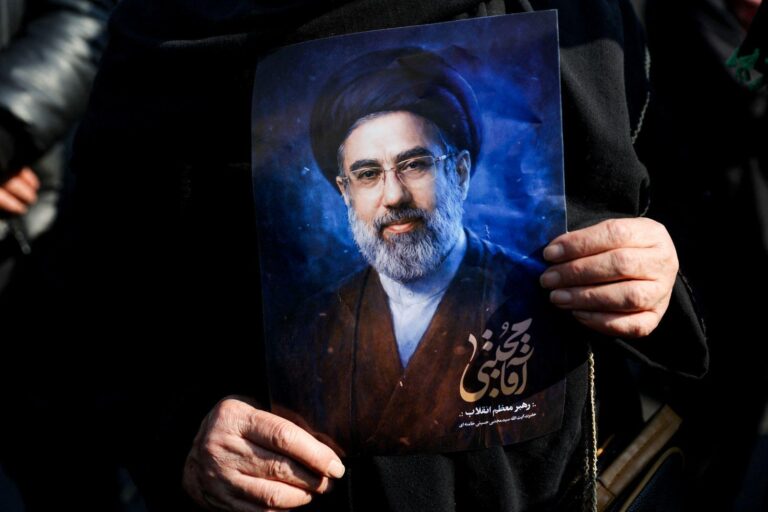
In his first public remarks since taking power, Mojtaba Khamenei declared that Iran will continue fighting — and will keep the vital Strait of Hormuz closed to pressure its enemies.
It was a chilling message.
One that immediately sent shockwaves through global markets and raised fears of a deeper war in the region.
A Leader’s First Message After a Devastating War
Khamenei’s statement was broadcast on Iranian state television.
But the new leader did not appear on screen.
Instead, a presenter read the message on his behalf.
No photos of Khamenei have been released since the start of the war — when an Israeli airstrike reportedly killed much of his family, including his father and wife.
Iranian officials said he was lightly wounded during the attacks on February 28, but the true extent of his injuries remains unclear.
Still, the tone of his first message was unmistakable.
Defiant.
Uncompromising.
He vowed that Iran would continue fighting the United States and Israel — and warned neighboring countries to shut down American military bases on their soil.
“I assure everyone that we will not neglect avenging the blood of your martyrs,” Khamenei said in the statement.
The Strait of Hormuz: Iran’s Powerful Leverage
At the heart of Iran’s strategy is the Strait of Hormuz — one of the most important shipping routes on Earth.
Nearly one-fifth of the world’s oil supply normally flows through this narrow passage along Iran’s coast.
By keeping the strait closed, Iran can send shockwaves through global energy markets.
Khamenei made it clear that this pressure tactic will continue.
“The lever of blocking the Strait of Hormuz must continue to be used,” he said.
Moments after the message aired, Iran’s powerful Islamic Revolutionary Guard Corps confirmed it would follow the order and maintain the blockade.
Oil Prices Surge
The threat immediately rattled global markets.
Oil prices jumped again — climbing above $100 per barrel — after earlier hopes that the conflict might end quickly.
Energy analysts warn that a prolonged closure of the strait could cause one of the worst disruptions in global oil supply in decades.
Violence Spreads Across the Region
The war has already spilled across several countries.
Shortly after Khamenei’s message, two oil tankers were seen burning in the Iraqi port city of Basra.
Video verified by Reuters showed massive orange fireballs lighting up the night sky.
At least one crew member was killed.
Iranian forces were suspected of launching explosive-laden boats that struck the vessels.
Earlier that same day, three other ships were hit in the Persian Gulf.
Iran’s Revolutionary Guards later claimed responsibility for one attack on a Thai bulk carrier, saying the ship ignored their orders.
Meanwhile, another vessel reported being struck near the United Arab Emirates.
Another Front: Beirut Under Attack
The fighting is not limited to the Gulf.
Israeli airstrikes also struck a building in central Beirut, sending thick black smoke rising over the Lebanese capital.
Israel has intensified its offensive against the Iran-backed militant group Hezbollah after it launched its largest rocket attack against Israel since the war began.
So far, the conflict has killed more than 2,000 people, including nearly 700 in Lebanon.
Trump Downplays Oil Spike
Despite rising oil prices, Donald Trump said the United States could actually benefit from the situation.
He pointed out that the U.S. is now the world’s largest oil producer.
“When oil prices go up, we make a lot of money,” Trump wrote on social media.
Still, economists warn that prolonged high oil prices could trigger global inflation, affecting everything from transportation to food costs.
Fear and Tension Inside Iran
Inside Iran itself, the atmosphere is tense.
Residents say security forces have increased their presence on the streets.
A teacher in Tehran described a city living in quiet fear.
“Security forces are everywhere… more than before,” the resident said.
“People are afraid to come out, but supermarkets are open.”
Despite the tension, U.S. intelligence sources say Iran’s leadership remains largely intact.
Calls from Washington and Tel Aviv urging Iranians to rise up against their government have not yet led to organized protests.
A Strategy of Economic Pressure
Iran appears to be betting on one powerful strategy: economic shock.
By disrupting oil flows and pushing energy prices higher, Tehran hopes to force Washington to back down.
Iranian military officials have even warned that oil prices could eventually surge to $200 per barrel.
Some energy experts say that scenario is unlikely — but they also admit it cannot be ruled out if the conflict drags on.
For now, one thing is clear.
As long as the Strait of Hormuz remains closed, the entire world will feel the consequences.