

Negotiations in the Gulf: A Path to Peace?
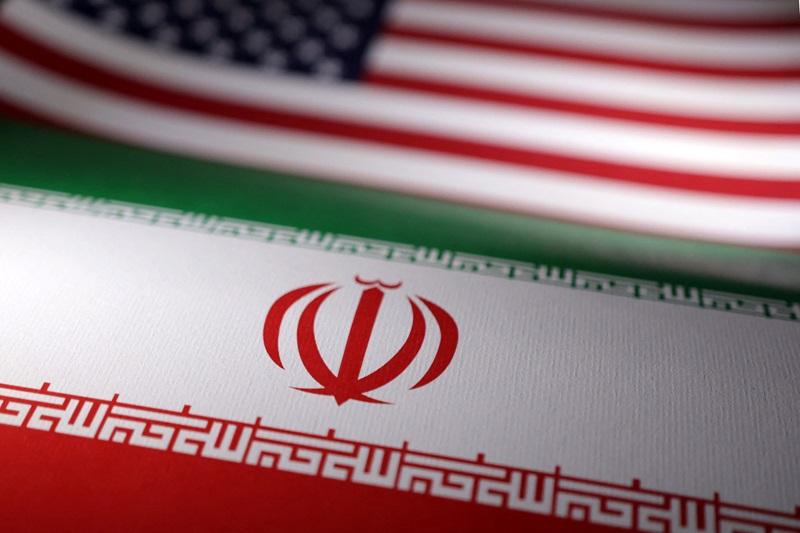
In a world often on the brink of conflict, the tension in the Gulf region remains an unsettling reality. Recently, Iranian negotiators engaged in crucial talks in Doha, Qatar, as the specter of war loomed ever closer. With the backdrop of the U.S. midterm elections, diplomats are racing against time to divert impending hostilities.
During these significant discussions, U.S. Secretary of State Marco Rubio remarked that while President Donald Trump hasn’t made any definitive decisions regarding military action against Iran, he leans towards a diplomatic resolution. This sentiment is particularly poignant, as rumors swirl that Trump has restrained military strikes in recent weeks, likely to avoid inflaming tensions right before the elections that could reshape the balance of power in Congress.
The talks in Doha were the culmination of over 12 hours of negotiations in Tehran, made possible by the mediation efforts of Qatar. Sources close to the negotiations reveal that these dialogues are being conducted with the regular oversight of Washington, highlighting the complex web of international relations at play.
In the heart of the region, fears are palpable that Trump might resume attacks as soon as the votes are counted. Iran has made it abundantly clear: any new strikes will be met with a firm response targeting U.S. and Israeli interests. Supreme Leader Ayatollah Mojtaba Khamenei is urging military readiness, issuing powerful directives that warn of swift and assertive retaliation should threats escalate. His statement, shared with the public through Telegram, underscores Iran’s military vigilance, particularly along critical maritime areas like the Strait of Hormuz.
In a chilling reminder of the stakes involved, Khamenei emphasized that any form of aggression would not go unanswered. This rhetoric isn’t just political posturing; it reveals a nation preparing for the worst, recalling the high tensions that have marked its recent history.
Adding to this tense atmosphere, Mohsen Rezaei, an influential security figure in Iran, hinted at a significant shift in their nuclear policy if hostilities resume. Although no decisions have been finalized, the mention of possibly lifting a ban on nuclear weapons sends ripples of concern through the international community. Rezaei has made it clear that discussions on Iran’s nuclear aspirations hinge on U.S. acceptance of Iran’s terms.
Amidst these complex negotiations, Rubio emphasized that talks—both direct and indirect—continue to evolve. President Trump, while expressing a commitment to diplomacy, also carries the resolve that should military action be required, the U.S. is fully prepared.
The stakes are higher than ever, especially considering Trump’s history of military engagement in the region. Just last week, he urged support for Israeli Prime Minister Benjamin Netanyahu, indicating the geopolitical maneuvering instrumental in this ongoing struggle for power and influence.
Interestingly, recent moves from the U.S. may indicate a softened stance towards diplomacy. Vice President JD Vance, who has been involved in prior negotiations, sent a letter aiming to explore possibilities for renewed talks with Iran. While Trump played down the significance of the letter, his willingness to discuss easing restrictions on medical supplies into Iran reveals a glimmer of hope for humanitarian relations amid the chaos.
In the latest discussions facilitated by Qatar, a proposal for a seven-day plan was introduced, aimed at fostering trust through incremental steps. However, this proposal did not resonate with Iranian officials, who have their own vision that seeks substantial concessions, including lifting sanctions and unfreezing assets.
As the world watches this delicate dance, the looming question remains: can diplomacy prevail in a landscape fraught with threats and uncertainty? Iran’s Foreign Minister Abbas Araqchi has emphasized that their proposal is the sole realistic pathway to reestablish peace in the Strait of Hormuz.
In these challenging times, the possibility of peace hangs precariously in the balance. The outcome of these negotiations carries the weight of countless lives, and it’s a testament to the fragile nature of trust in international affairs. Let us hope that amidst the stormy seas of conflict, there exists a chance for understanding, dialogue, and ultimately, peace.