
The sky lit up…
Sirens screamed…
And once again, the world held its breath.
Iran launched multiple waves of missiles toward Israel, sending shockwaves across the region and raising fears that the conflict is far from over.
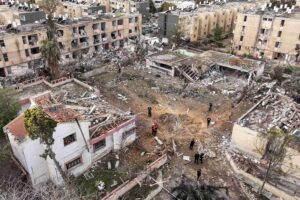
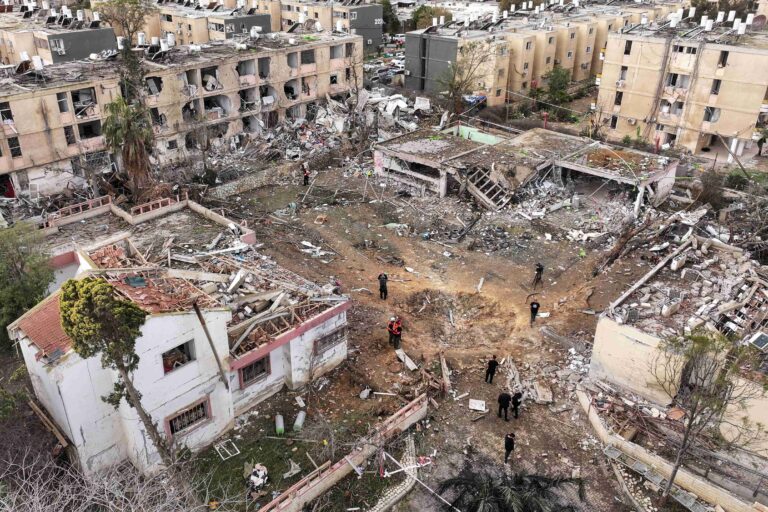
In cities like Tel Aviv, the sound of air raid sirens pierced the air—followed by loud explosions as defense systems intercepted incoming missiles.
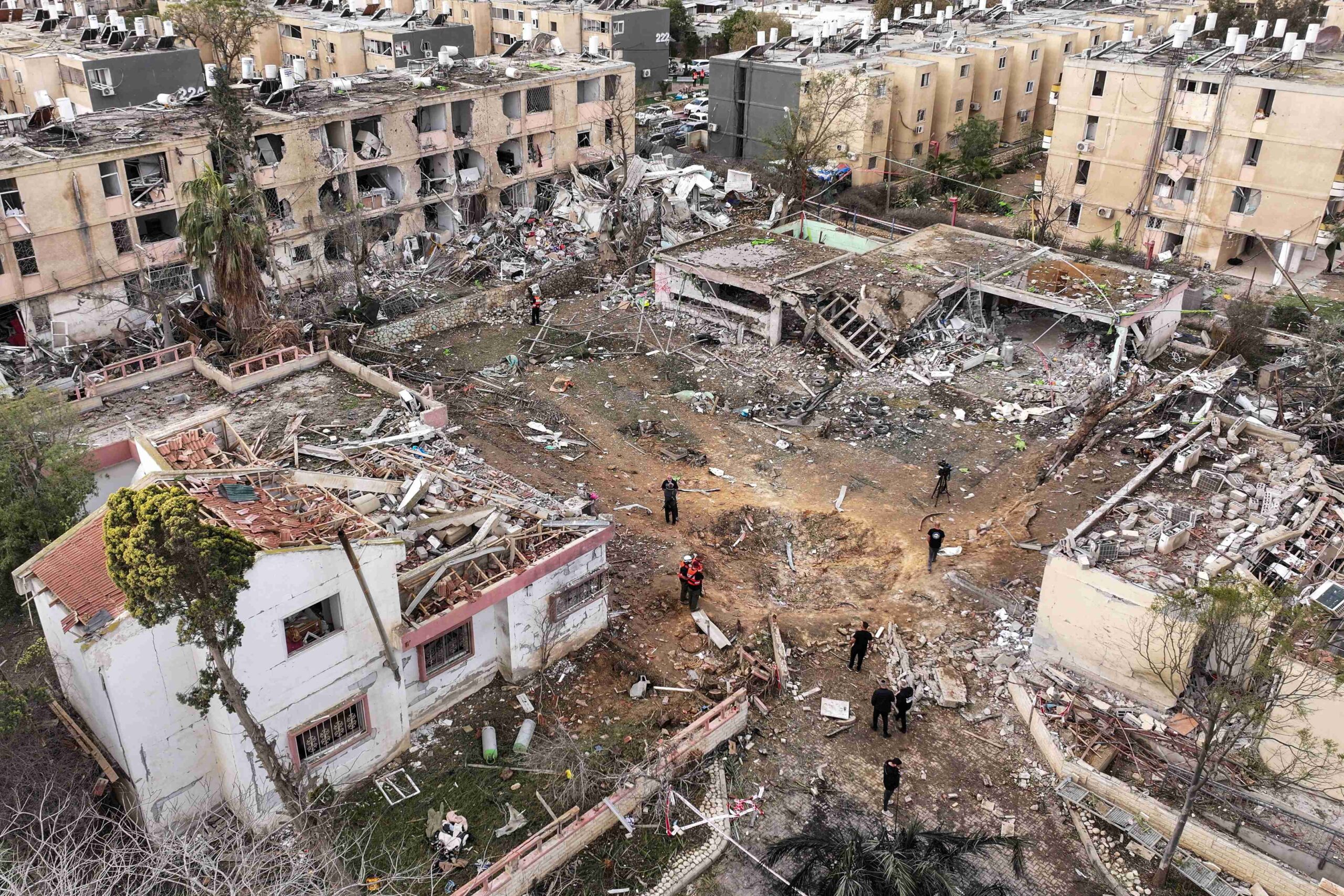
Fragments fell from the sky.
Homes in northern Israel were damaged.
Families ran for cover.
Miraculously, no deaths were reported.
But the message was clear.
The tension is escalating.
And the uncertainty… is growing.
Just a day earlier, there was a flicker of hope.
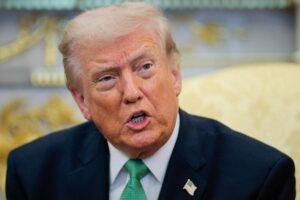
US President Donald Trump announced what he described as “very good and productive” talks with Iranian officials—hinting at a possible path to peace.
So much so, he postponed a planned strike on Iran’s power grid.
Markets reacted instantly.
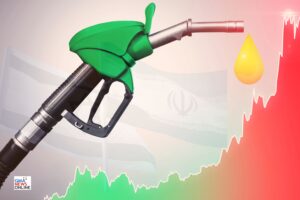
Oil prices dropped.
Stocks surged.
For a moment, it felt like the worst might be avoided.
But that hope didn’t last long.
On Tuesday, Iran pushed back hard.
“No negotiations have been held with the US,” said Iranian parliament speaker Mohammad Baqer Qalibaf.
He dismissed the reports as “fake news”—claiming they were meant to manipulate global markets and shift attention away from the ongoing crisis.
At the same time, Iran’s Revolutionary Guards signaled no intention of slowing down.
Instead, they warned of fresh attacks—calling Trump’s statements nothing more than “psychological operations.”
And just like that… the fragile calm shattered.
Global markets reacted again—this time with fear.
Oil prices surged back above $100 per barrel.
Investors grew uneasy.
The world was reminded how quickly things can spiral.
Because at the heart of this conflict lies something much bigger.
The Strait of Hormuz.
A narrow passage… but one that carries about 20% of the world’s oil supply.
Iran has effectively closed it—turning a regional conflict into a global concern.
Energy markets are on edge.
Governments are watching closely.
And millions feel the ripple effects.
Behind the scenes, efforts to ease tensions continue.
Trump claimed that his envoys—including Steve Witkoff and Jared Kushner—have been in ongoing discussions with Iranian officials.
“We have major points of agreement,” he said.
But even that claim remains uncertain.
Officials suggest that if talks are happening, they may not be direct.
Countries like Egypt, Pakistan, and several Gulf states are reportedly acting as intermediaries—quietly passing messages between both sides.
There are even indications that potential negotiations could take place in Pakistan within days.
Still… nothing is confirmed.
Meanwhile, Israel is not backing down.
Prime Minister Benjamin Netanyahu made it clear: military operations will continue.
Yet even he acknowledged that diplomacy could still play a role—if it protects Israel’s core interests.
For now, the situation remains dangerously unstable.
More than 2,000 lives have already been lost since the conflict intensified.
And with every missile launched… every statement denied… every move countered—
The line between war and peace grows thinner.
One thing is certain:
This crisis is no longer just regional.
It’s global.
And the next move… could change everything.