They thought they’d be home in a week…
But what awaited them was something no one onboard could have imagined.
On February 28, just a day before tensions exploded into open conflict, the Indian LPG tanker Pine Gas quietly loaded its cargo in Ruwais, UAE.
45,000 metric tons of fuel.
A routine journey.
A simple plan—sail home.
But then… war began.
And everything changed overnight
As Israel and the United States launched attacks on Iran, the Strait of Hormuz—one of the world’s busiest and most dangerous waterways—became a zone of uncertainty.
Ships stopped moving.
Routes were no longer safe.
And Pine Gas… was forced to wait.
Not for hours.
Not for days.
But for weeks.
Watching war from the water
Onboard were 27 Indian crew members.
Day after day… they watched the sky.
Missiles.
Drones.
Flashes of light cutting through the darkness.
In one chilling video, at least five projectiles streak across the night sky above their vessel.
Imagine that—
waiting in open waters… while war unfolds right above you.
A decision no one could take lightly
By March 11, Indian officials told the crew to be ready.
But the situation kept getting worse.
It wasn’t until March 23—nearly three weeks later—that the ship was finally cleared to move.
But there was a catch.
They wouldn’t be taking the usual route.
A path few ships dare to take
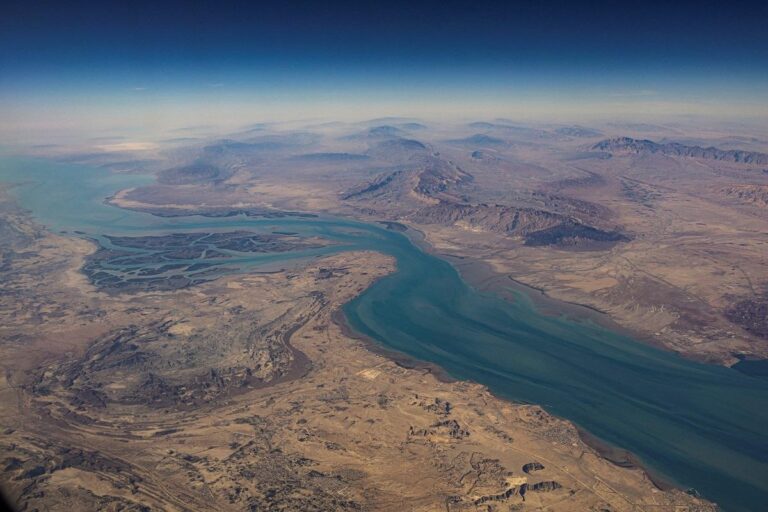
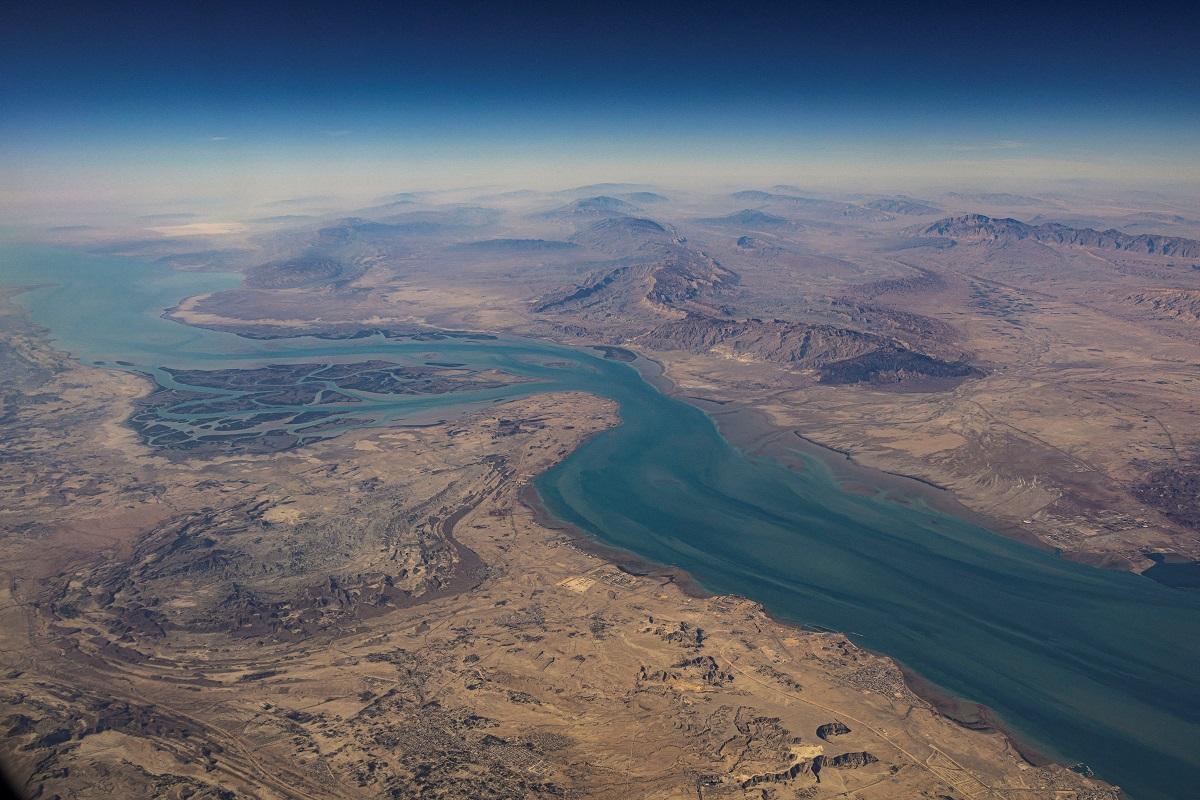
Instead of the standard shipping lanes, the tanker was ordered to pass through a narrow, unfamiliar channel near Larak Island—along Iran’s coast.
A route rarely used.
A route filled with uncertainty.
The reason?
The main passage… was believed to be mined.
One question. One answer from every man onboard.
Before moving, authorities made one thing clear:
Every single crew member had to agree.
No pressure.
No assumptions.
Just a simple choice—
yes… or no.
“They needed a yes or a no from all crew,” said chief officer Sohan Lal.
And in the end—
Everyone said yes.
Guided through danger
As the Pine Gas began its risky journey, it wasn’t alone.
The Indian Navy stepped in.
First, guiding the vessel through tense waters—
then escorting it for nearly 20 hours across safer seas.
Four warships.
Watching. Protecting. Ensuring they made it through.
No fees.
No boarding.
Just a silent mission—to bring them home.
More than just a ship
This wasn’t just about one vessel.
India depends heavily on LPG imports.
Millions of households rely on it every single day.
The cargo onboard Pine Gas wasn’t just fuel—
it was daily life.
Originally bound for Mangalore, the shipment was redirected—split between ports in Visakhapatnam and Haldia.
Because in times like this… every delivery matters.
And the story isn’t over
While Pine Gas made it out, many others remain.
Six Indian ships have crossed the strait.
But 18 vessels… with nearly 500 Indian seafarers… are still waiting in the Persian Gulf.
Waiting for clearance.
Waiting for safety.
Waiting for their turn to go home.
Because sometimes… survival isn’t about speed
It’s about patience.
Courage.
And saying yes—
even when the path ahead is uncertain.