


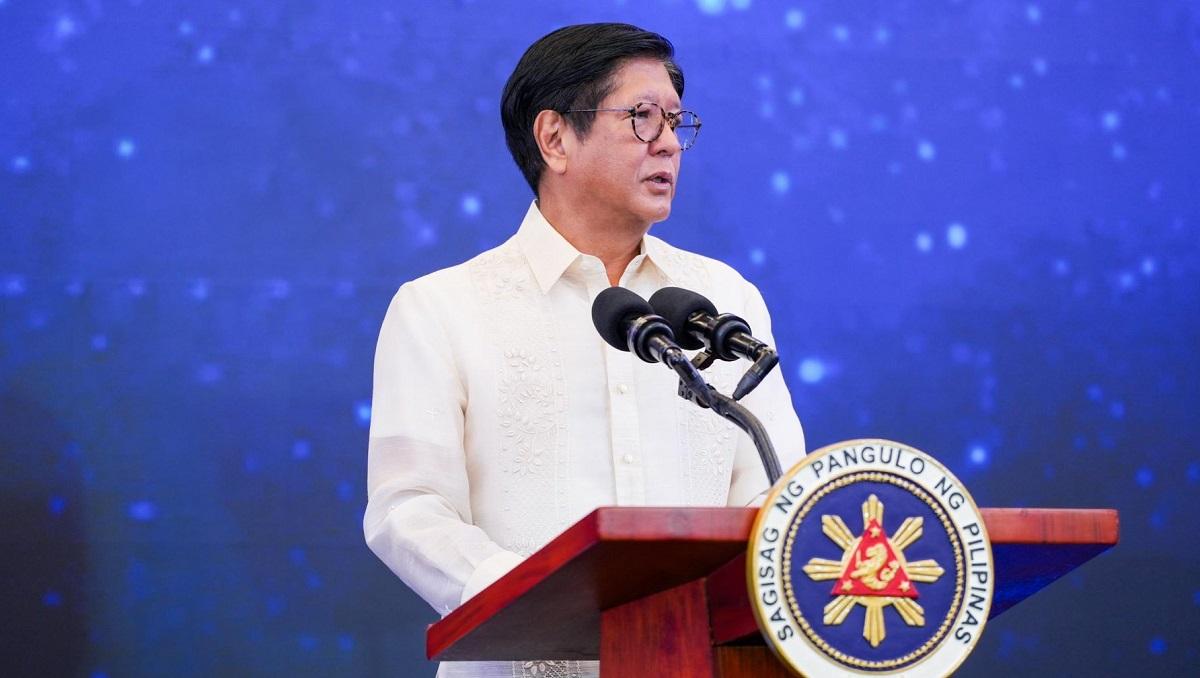
The impeachment complaint filed against President Ferdinand “Bongbong” Marcos Jr. is more than a legal move.
It is a political stress test.
That’s how House Deputy Minority Leader and ML Party-list Representative Leila de Lima sees it.
In an online interview Tuesday, de Lima said impeachment is never just about the law.
Yes, there are rules.
Yes, there are procedures.
But beneath all that lies the real question:
How strong is the President’s grip on Congress?
“When you talk about impeachment, it’s both legal and political,” de Lima said.
“Sometimes, it’s more political than legal.”
She explained that while impeachment follows legal steps, its outcome often depends on political influence—who controls whom, and how far loyalty goes.
Why the Complaint Was Filed
The impeachment complaint was filed by lawyer Andre de Jesus, accusing President Marcos of betrayal of public trust and culpable violation of the Constitution.
Malacañang quickly responded.
Palace Press Officer Claire Castro said the President would not interfere in the process.
But de Lima isn’t convinced.
Even if the Palace says it won’t intervene, she said, the real issue remains:
Can the President still influence his allies to kill the complaint early?
Whether at the Justice Committee level or in the plenary, the pressure—direct or indirect—will be felt.
The Marcos Factor Inside the House
Adding another layer to the issue is the President’s son, House Majority Leader Sandro Marcos.
He currently chairs the House Committee on Rules, the body that refers impeachment complaints to the House Committee on Justice.
Should he take part?
De Lima says that decision rests on “delicadeza”—a sense of propriety.
“That would be a matter of voluntary inhibition,” she said.
There is no clear rule forcing him to step aside.
But de Lima noted that court rules on disqualification may apply—though she still needs to review them.
Still, she stressed one thing:
The committee does not act alone.
“It’s not just Majority Leader Sandro Marcos,” she said.
“There are many other members.”
What Happens Next
As an ex officio member of the House Committee on Justice, de Lima explained the first hurdle the complaint must clear.
Before any hearing happens, the committee must decide:
• Is it sufficient in form?
• Is it sufficient in substance?
If it fails either test—
It’s over.
“If it’s not sufficient in form, it’s done,” she said.
“Even if it’s sufficient in form but not in substance, it will still be dismissed.”
No hearings.
No testimonies.
No drama.
Just dismissal.
Sharp Pushback from Lawmakers
Not everyone is impressed.
House Senior Deputy Minority Leader Edgar Erice didn’t mince words.
He called the complaint “basura.”
“Fifteen pages with no evidence—just news articles,” he said.
“If I were voting, I wouldn’t think twice about dismissing it.”
Erice also raised another concern:
Once an impeachment complaint is initiated, no other complaint can be filed for one year.
That raised suspicions.
Was this complaint meant to protect the President?
Complainant Fires Back
Andre de Jesus strongly denied that claim.
“I categorically and absolutely deny that this was filed just to trigger a ban,” he said.
He insisted evidence was attached and more could be presented later.
Should Marcos Face the Committee?
De Lima believes the President should appear.
“Ideally, yes,” she said.
“He is the respondent, and the committee can compel attendance.”
But again, it’s not automatic.
The committee may allow his lawyers to appear instead.
It all comes down to a majority vote.
Erice disagrees.
“It’s not good if he appears personally,” he said.
“Even a representative will do—as long as questions are answered.”
The Budget Question
For Erice, the biggest issue isn’t politics.
It’s money.
He pointed to the 2023, 2024, and 2025 national budgets, which Congress altered with the President’s approval.
“He has to explain why this was allowed for three years,” Erice said.
If the President approved it without reason, Erice said, it raises serious questions:
Was it negligence?
Or was it complicity?
Either way, he warned, it could qualify as an impeachable offense.
The Bottom Line
This impeachment complaint may not survive the first hurdle.
But its impact is already clear.
It forces Congress—and the country—to confront a difficult truth:
Is impeachment still a legal safeguard… or just a measure of political power?
And in the end,
how strong is President Marcos’ grip on Congress—really?