
The legal battle is far from over.
And now, more evidence is coming.
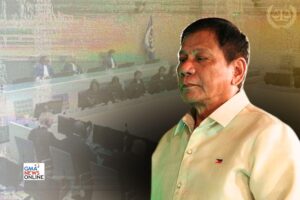
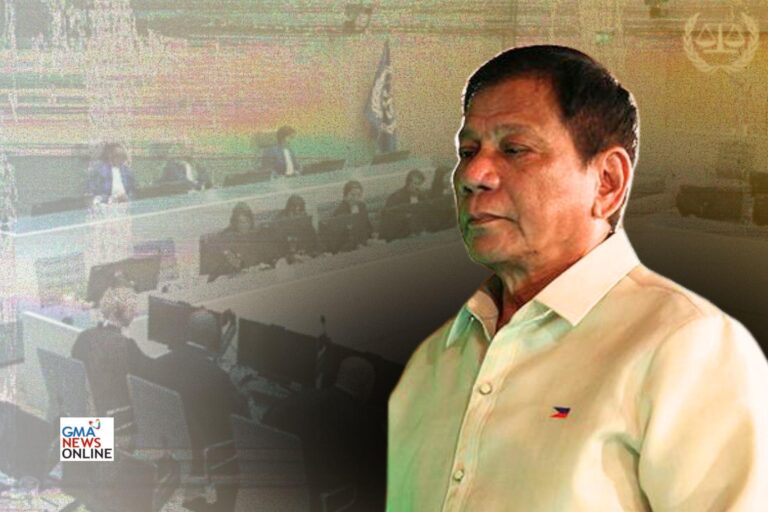
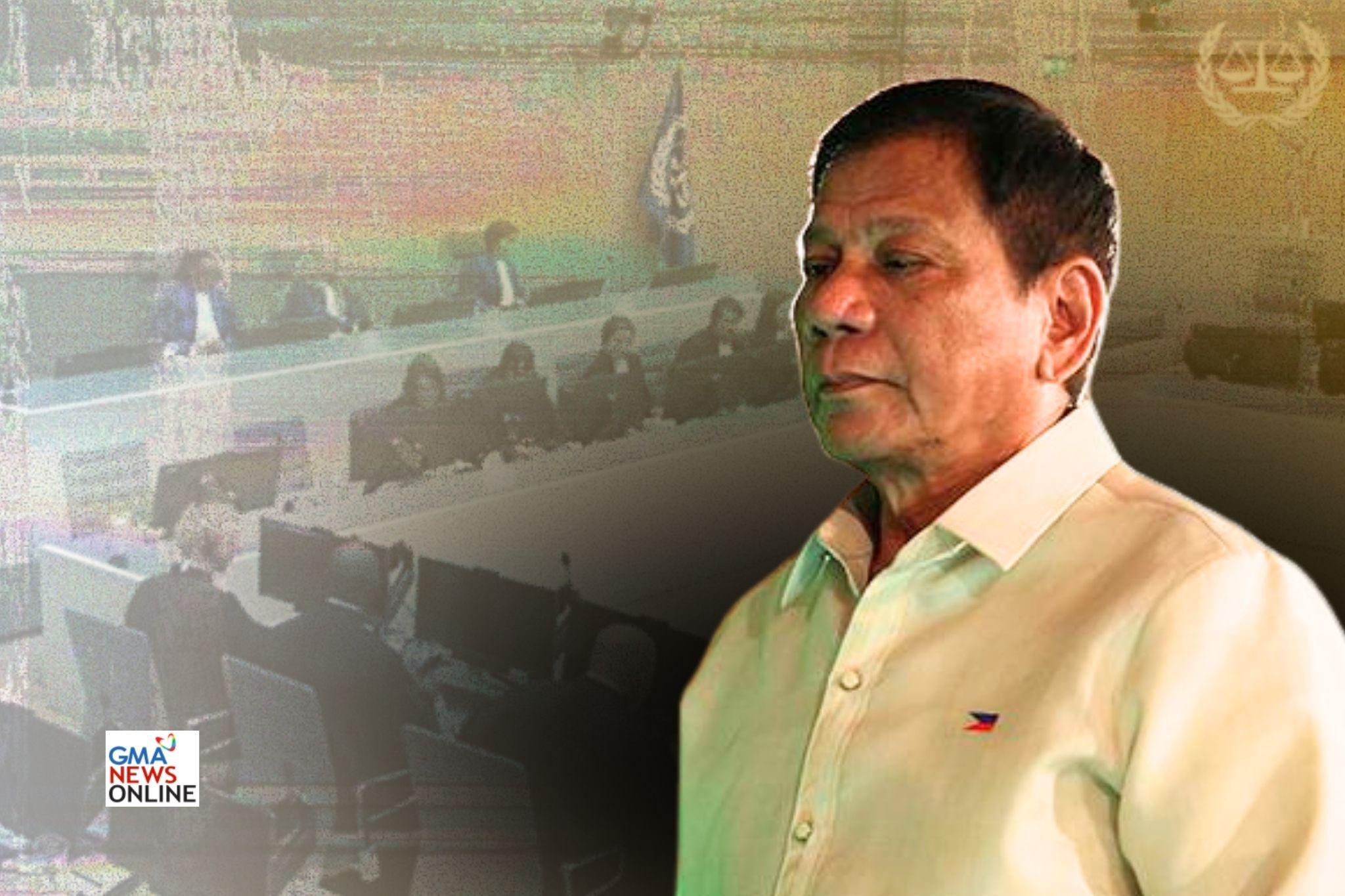
The International Criminal Court (ICC) has granted requests from both former President Rodrigo Duterte’s legal team and the prosecution to submit additional evidence ahead of the highly anticipated confirmation of charges hearing.
The decision, dated February 10, spans four pages — but its impact could shape what happens next.
78 New Items from the Defense
Duterte’s lawyers asked the ICC for permission to add 78 new pieces of evidence to their list — materials they plan to rely on during the hearing that will determine whether the case moves forward to trial.
The prosecution did not object.
That silence mattered.
Two More from the Prosecution
At the same time, prosecutors also sought approval to submit two additional pieces of evidence.
The defense agreed not to block the request.
Again, no objections.
Even the Common Legal Representatives of Victims (CLRV) raised no opposition.
With no resistance from either side, the ICC Pre-Trial Chamber I ruled there was “good cause” to grant the requests.
The chamber noted that the additions were limited in scope, relevant to the charges, and would not unfairly prejudice either party.
In short:
Let the evidence speak.
A Crucial Deadline
The court ordered both sides to file their updated lists of evidence by February 13, 2026.
The clock is ticking.
What’s at Stake?
The order comes just days before the confirmation of charges hearing begins.
Scheduled from February 23 to February 27, the hearing will determine whether there is sufficient evidence to send Duterte to trial over allegations of crimes against humanity tied to his administration’s war on illegal drugs.
This stage is critical.
It is not yet a trial.
But it will decide whether one happens.
At 80 years old, the former president faces one of the most serious legal challenges of his life.
The prosecution will argue that the evidence supports the charges.
The defense will fight to dismantle that claim.
Now, both sides will walk into the courtroom armed with more material.
More documents.
More arguments.
More weight behind their positions.
The World Is Watching
This is no ordinary case.
It is a moment watched closely — not just in the Philippines, but across the globe.
For supporters, it is a test of fairness.
For critics, it is a test of accountability.
For the court, it is a matter of law.
And when the hearing opens on February 23, the question will be simple — but heavy:
Is there enough evidence to move forward?
Soon, the ICC will decide.
And the next chapter will begin.