


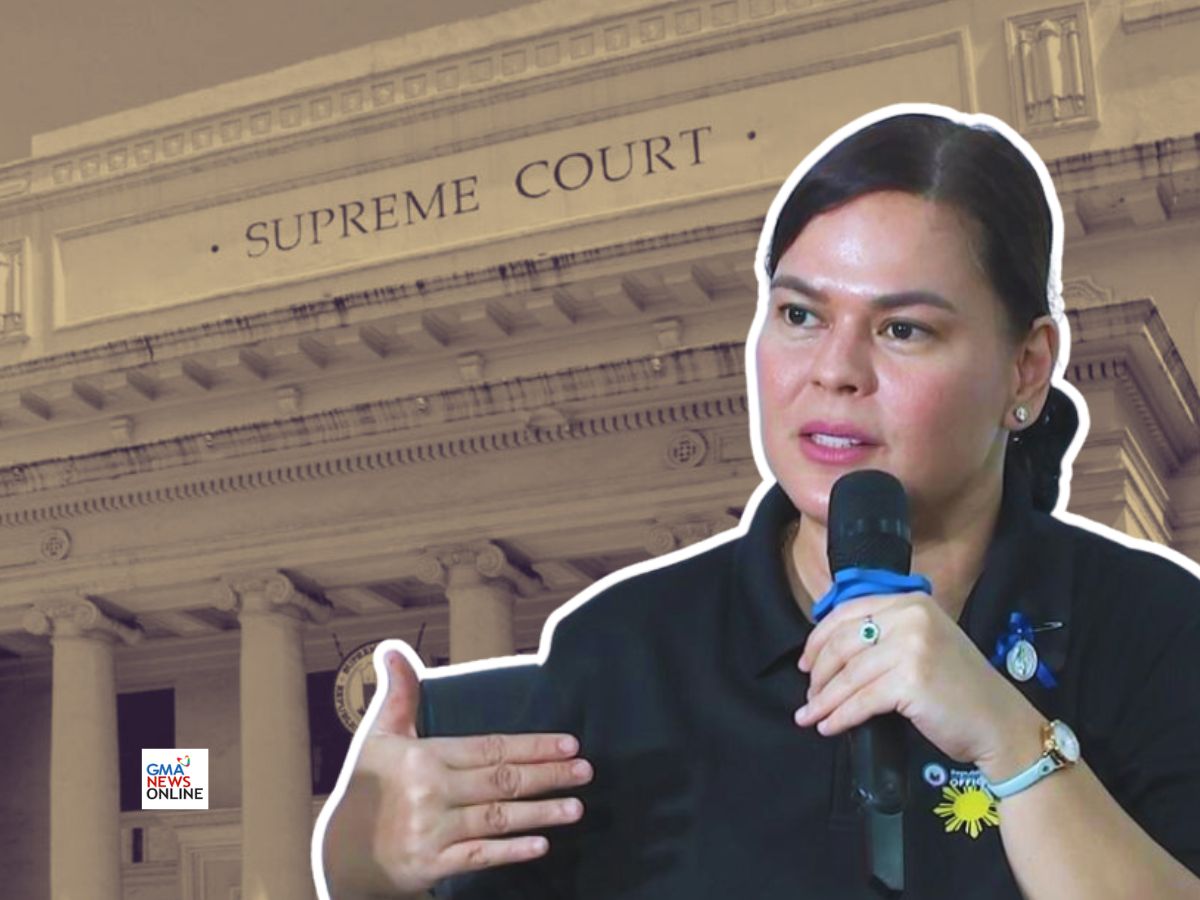
The drama in the government just got even bigger! The House of Representatives—this is the group of lawmakers who make rules for our country—just gave more papers and proof to the Supreme Court about why they want Vice President Sara Duterte to go through impeachment.
Let’s break it down like a story.
📄 What Happened?
A lawyer named Atty. Princess Abante, who speaks for the House, said that the House followed what the Supreme Court asked. They sent more details about the impeachment through the computer system called the Philippine Judiciary Portal, and soon they’ll give actual printed papers too.
This is all about the 4th impeachment case filed against VP Sara. An impeachment is a very serious case where leaders might lose their job if they did something wrong—like stealing, lying, or breaking the law while in power.
⚖️ Why Is the Supreme Court Involved?
The Supreme Court is the highest court in the country. They make sure that everything is fair and legal.
Recently, they asked both the Senate and the House of Representatives to explain what’s going on with the impeachment against VP Sara. They’re checking if everything is done the right way.
Here’s what they wanted to know:
-
What happened to the first three impeachment cases?
-
When were those complaints given to the House Speaker?
-
Can the House secretary just decide not to pass the complaints along?
-
What rules give the secretary that power?
🧾 What Did the House Say?
The House said: “Yes, we followed the rules!”
They explained that:
-
The first three impeachment complaints were all scheduled for discussion within 10 session days, which is what the Constitution (our rule book) says must happen.
-
The fourth complaint was special—because more than one-third of the House members signed it. That means it was already strong enough to go directly to the Senate.
-
So, the first three complaints were no longer needed. They were “moot” (which means not useful anymore) and will just be filed away.
🔥 What’s the Complaint About?
The fourth complaint, which has now gone to the Senate, says VP Sara may have done very bad things like:
-
Graft and corruption
-
Bribery
-
Betrayal of public trust
These are serious crimes. If proven true, it could mean she’s removed from her job.
A total of 215 lawmakers signed to support this complaint. That’s a lot—more than the required number to start an impeachment trial.
🛡️ Will VP Sara Get a Fair Chance?
Yes! The House said that VP Sara will still get to defend herself during the trial. That’s called due process—everyone has a right to speak up and explain their side before any punishment.
🧠 Can Lawmakers Sign Without Reading?
Some people asked, “Did all the lawmakers really read and understand the complaint before they signed it?”
The House says there’s no rule that says lawmakers must all read it in a certain way. But by signing, they already promised under oath (like a pinky promise, but super official) that they understood the complaint and agreed with it.
👀 What’s Next?
The Senate (the other big group in our government) already told the Supreme Court they’ve also filed a special message, called a Manifestation Ad Cautelam, just to be safe.
So now, the Supreme Court has the job of reviewing everything—both from the House and the Senate—and will decide if the impeachment trial can really push through.
🎭 In Short: The Plot Thickens
The battle over VP Sara Duterte’s future is heating up. Papers are flying, big decisions are being made, and the whole country is watching. Will she stay in office? Or will the trial send shockwaves through the government?
Stay tuned. This is the kind of drama you don’t want to miss.