


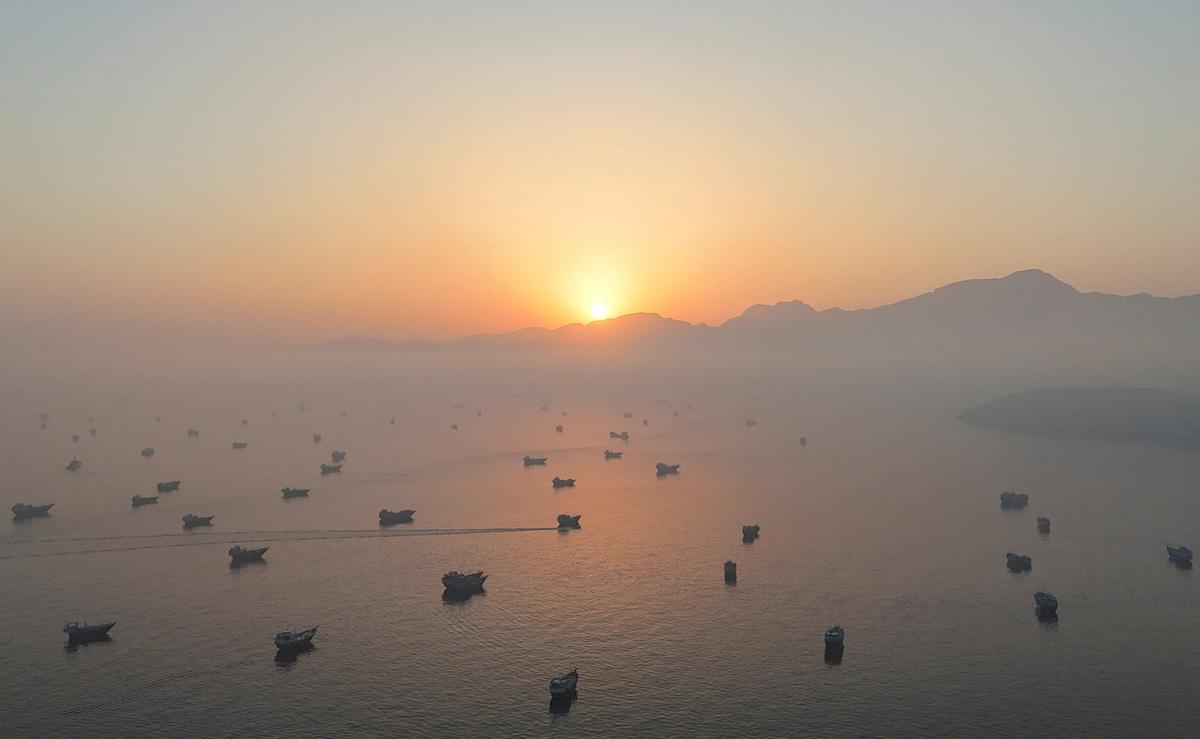
Navigating Uncertainty: A Weekend in the Strait of Hormuz
In a striking shift, the heart of global oil trade—the Strait of Hormuz—saw a dramatic drop in vessel transits over the weekend. Preliminary shiptracking data revealed that the number of commodity vessels plummeted to a startling single-digit figure per day. To put that into perspective, the recent 10-day average was 14 vessels daily—a significant difference that speaks volumes about the current climate of uncertainty.
On one particularly tense day, only four vessels managed to exit the Gulf through this vital waterway. Among them was a Handysize vessel traveling empty, alongside a Handy vessel loaded with liquefied petroleum gas (LPG). There was also a Supramax vessel carrying fertilizer and a hefty Suezmax tanker weighed down with crude or condensate. The light traffic strikes a haunting chord amidst the bustling energy trade that usually characterizes this region.
While just four vessels departed, the Gulf welcomed ten new arrivals. This included a mini-bulker with minor bulk commodities, a Handymax loaded with grain, a Panamax transporting metals, and yet another Supramax, this one brimming with dry bulk cargo. However, these figures don’t account for vessels that may have traversed the strait unnoticed due to their transponders being turned off—adding a layer of mystery to the already complex situation.
A Dangerous Passage
The weekend wasn’t without its dangers. On Sunday, a vessel was reportedly struck by an unknown projectile while navigating the Strait of Hormuz. The United Kingdom Maritime Trade Operations alerted us to the incident, but details about the crew’s welfare, the extent of damage, and environmental repercussions remain unclear. It’s a sobering reminder of the risks lurking within these waters.
Compounding these challenges, the crucial East-West oil pipeline in Saudi Arabia faced temporary shutdown, a casualty of a drone attack originating from Iraq. This pipeline has served as a crucial lifeline, easing the congestion that often plagues the Strait of Hormuz.
Historically, before the escalation of the Iran conflict in late February, the strait was a bustling thoroughfare, handling around 125 large commercial vessels each day. That included tankers, gas carriers, and container ships—an impressive 20% of the world’s daily crude oil and liquefied natural gas supply. Today, however, with U.S. sanctions choking Iranian crude oil exports since mid-July, the waters are far less busy, echoing the tension that hangs heavy in the air.
Across in the Bab el-Mandeb Strait, there seemed to be slightly more activity, with 24 and 27 vessels passing through on Saturday and Sunday, respectively. This is in line with an average of around 27 ships over the last ten days, offering a glimmer of stability amid the surrounding turmoil.
As the world watches, the Strait of Hormuz remains a flashpoint in global trade, embodying the uncertainty of our times. Here’s hoping for safer waters and more consistent trade routes in the days to come.