
The Department of Energy (DOE) warned on Wednesday that fuel prices could rise again next week, as global oil markets continue to react to growing tensions in the Middle East.
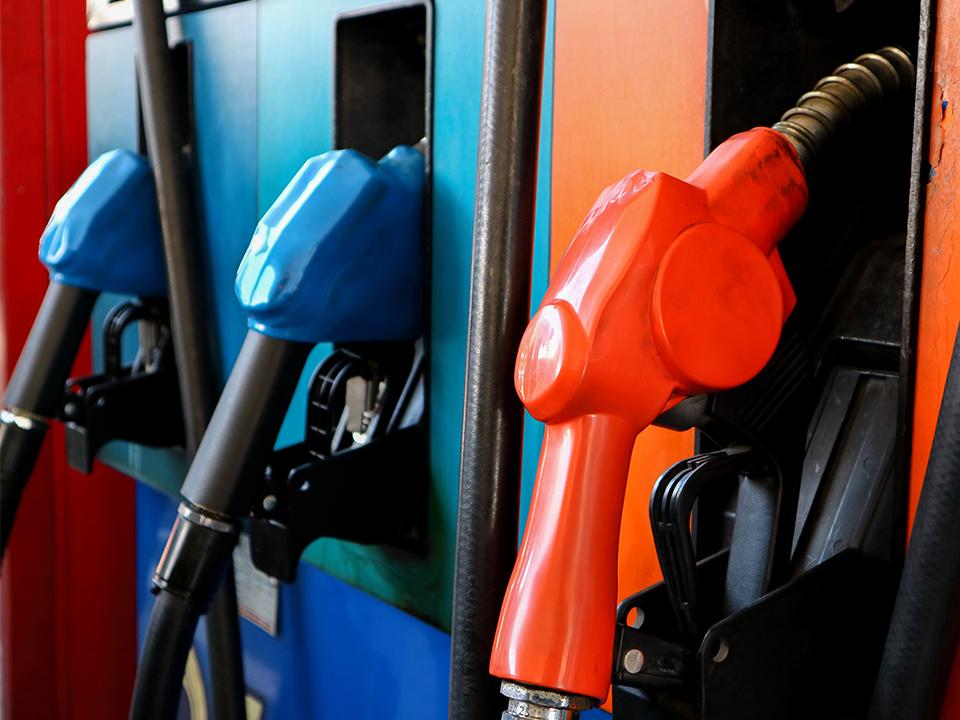
Just this week, fuel prices already increased by ₱1.90 per liter. But according to Energy Secretary Sharon Garin, another adjustment could be on the way as early as Tuesday.
In a radio interview with Super Radyo dzBB, Garin clarified that the government has not officially announced a new price hike yet.
“First of all, we have not yet announced a price increase because prices already went up by ₱1.90 yesterday,” she said.
Still, she acknowledged that another increase is very likely in the next round of adjustments.
“There will be an increase next week, Tuesday,” Garin added.
Middle East tensions driving prices
The main reason behind the possible increase lies thousands of miles away.
Global oil prices remain unstable as tensions in the Middle East continue to affect supply routes and market confidence. For the Philippines, the situation is especially sensitive because much of the country’s fuel passes through one of the world’s most important shipping corridors.
The Strait of Hormuz.
According to Garin, around 80% to 90% of the country’s fuel supply travels through this narrow passage, making any disruption in the region a serious concern.
“About 80% to 90% of our fuel passes through the Strait of Hormuz. So that is a major problem,” she explained.
When tensions rise in that area, global oil prices often follow.
And when global prices rise, local pump prices usually move the same way.
Fuel supply remains stable
Despite the looming increase, the DOE assured the public that there is no shortage of fuel supply in the country.
Garin said the agency has already met with oil companies, and they confirmed that stocks remain stable.
“They assured us that their supply is sufficient and that they have enough time to order more when stocks begin to run low,” she said.
In fact, the Philippines currently has at least two months’ worth of fuel reserves.
“We were assured that we have about two months’ worth of stock that can sustain us,” Garin added.
For now, motorists may feel the pressure of rising prices — but fuel availability is not at risk.
Government studying solutions
Still, the government is looking for ways to ease the burden on consumers if oil prices continue to climb.
Garin expressed support for proposals to amend the Oil Deregulation Law, which currently limits the government’s ability to intervene in fuel pricing.
According to her, updating the law could give authorities more power to respond during major price shocks.
“That really needs to be amended so the government can have some police power over oil companies,” she said.
She also welcomed a proposal in the House of Representatives that would allow President Ferdinand Marcos Jr. to temporarily suspend fuel excise taxes whenever global oil prices spike.
However, Garin stressed that such a measure should only be temporary, not a permanent policy.
For now, Filipino motorists are left waiting for the next price adjustment.
If global tensions continue to push oil prices upward, the cost of fuel at the pump may once again remind drivers just how connected the country’s economy is to events happening far beyond its shores.