
The Future of AI Investments in the Philippines: Insights from Finance Secretary Frederick Go
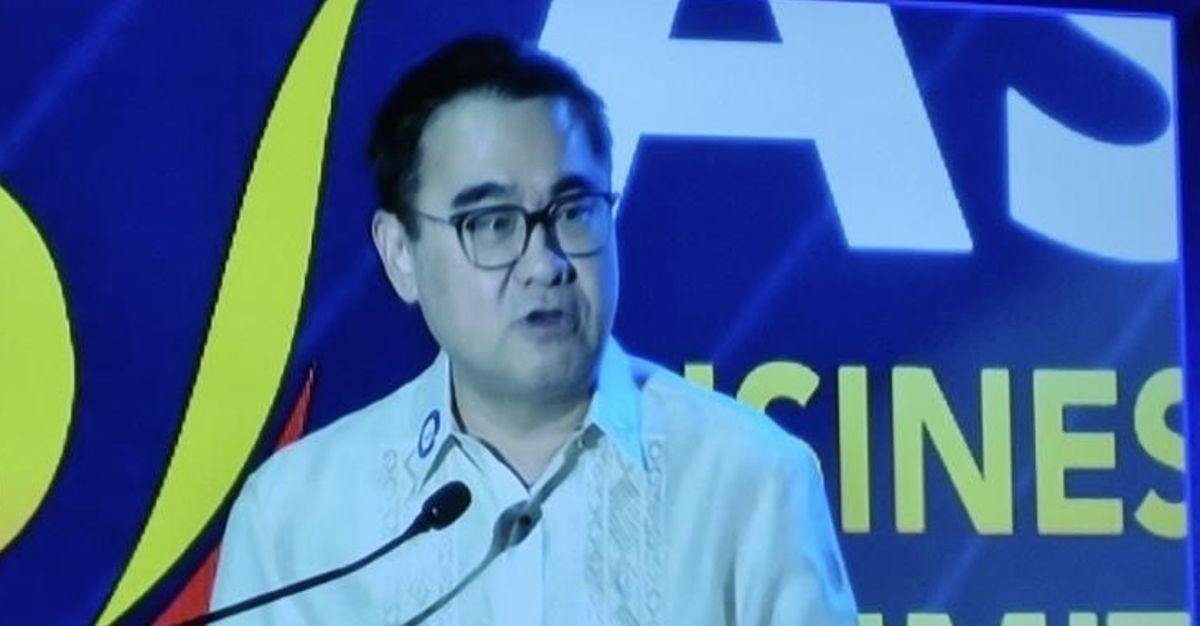
At the heart of the ASEAN Business and Investment Summit held this past Sunday in Parañaque City, Finance Secretary Frederick Go unveiled a bold vision for the Philippines. He emphasized the significance of two transformative initiatives: the ASEAN Digital Economy Framework Agreement (DEFA) and the newly finalized Semiconductor Roadmap. These efforts are not just about economic growth; they represent a commitment to a brighter future filled with opportunities for everyone.
Building a Digital Economy
In his address, Go underscored that the DEFA, which was introduced just a day prior, is now on the path to domestic implementation. This framework is set to revolutionize how we conduct digital trade, manage cross-border data, secure payments, and protect consumers. Imagine a world where our transactions are smoother, paperwork is minimized, and delays are virtually eliminated. This is the future we’re working toward—one that prioritizes efficiency and accessibility.
Connecting the Semiconductor Landscape
Equally exciting is the ASEAN Semiconductor Roadmap. Go explained how this roadmap aims to link the roles of member countries within the regional supply chains. This connectivity is crucial for retaining more economic value in our industries. It’s about positioning ourselves as key players in an ever-evolving global market, ensuring that we’re not just participants but also leaders.
Laying the Groundwork for AI Investments
But what does all this mean for artificial intelligence (AI) investments? Go pointed out that reliable electricity, predictable regulations, and fiscal discipline are vital for attracting long-term AI projects, especially energy-intensive data centers. He announced a bold target: $34 billion in public and private investments under the Philippines’ AI Infrastructure Master Plan by 2033.
For the community, this translates into a significant opportunity. Go envisions AI creating better job prospects for around two million IT-BPM workers, while also strengthening the country’s 1.2 million micro, small, and medium enterprises. AI has the potential to empower these businesses, helping them assess risks, access credit, and reach customers across borders. It’s a game changer—but only if we approach it wisely.
The Double-Edged Sword of Technology
However, it’s essential to recognize that with great power comes great responsibility. Go cautioned that while AI opens doors, it also poses risks such as fraud and cyberattacks. Implementing strong safeguards and robust protections for our critical infrastructure is non-negotiable.
A Holistic Approach to Growth
To bolster these initiatives, Go highlighted several investment measures like CREATE MORE, public-private partnerships, and investment green lanes. The Luzon Economic Corridor will be pivotal in prioritizing energy, transport, logistics, advanced manufacturing, and digital infrastructure. Moreover, he called for a stronger regional payments connectivity and deeper capital markets to harness ASEAN savings and finance our collective growth.
A Vision for the Future
Ultimately, Go’s vision is clear: responsible AI adoption, comprehensive workforce training, and tangible benefits for smaller businesses should guide the Philippines’ approach to regional digital cooperation.
As we look to the future, it’s crucial to remain committed to building an inclusive digital economy where everyone can thrive. The journey may be challenging, but with the right strategies in place, we can unlock the potential of artificial intelligence and pave the way for a prosperous tomorrow.
In this rapidly changing landscape, let us embrace the possibilities of technology with open arms, ensuring a brighter and more equitable future for all.