
Navigating New Waters: The Philippines’ Energy Talks with the United States
The Philippines is at a pivotal moment, diving deep into discussions with the United States about sourcing its oil and gas needs. On Monday, the Department of Energy (DOE) made it clear: no final agreement has been reached yet.
A Closer Look at the Negotiations
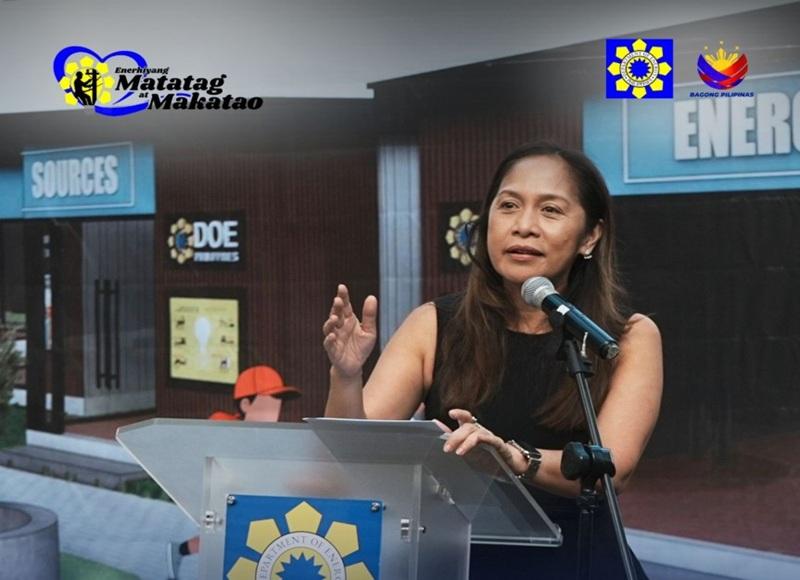
Energy Secretary Sharon Garin took the stage during a virtual press briefing, addressing claims made by U.S. President Donald Trump. The president suggested that the Philippines should import 100% of its energy needs from the U.S. To clarify, Garin pointed out that this primarily pertains to oil and gas, as the nation cannot buy electricity from another country directly.
“But we can buy the fuel that generates electricity,” she explained. The focus, for now, centers on negotiating these crucial energy resources. “Currently, we are still in discussions. These are negotiations,” she stated, stressing that no final pact has been established yet.
As of now, these talks have gained momentum, and the U.S. is suggesting that, in the spirit of partnership, the Philippines turn to them for all of its oil and gas requirements. Garin hinted at the mutual benefits of such an arrangement, noting that it could prove advantageous for both parties involved.
Looking Ahead: A Broader Trade Partnership
The conversation doesn’t stop at energy. Over the weekend, President Trump announced plans for the Philippines to import 100% of its agricultural products and energy needs from the U.S. starting January 1, 2027. “But remember, these are still negotiations,” Garin reiterated. “President Marcos has instructed us to prioritize what’s best for the Filipino people.”
She emphasized that whatever path they take must lead to the best possible situation for the nation and its citizens. “We need to find the course of action that benefits our country and our fellow Filipinos,” she insisted, conveying her commitment to prioritizing the interests of the nation.
A Big Trade Deal on the Horizon
President Marcos stepped into the spotlight, describing the ongoing negotiations as part of a “big trade deal” aimed at diversifying the country’s supply of vital commodities like food and energy.
“We’re opening doors to new partnerships around the globe,” he said. “Relying solely on one source is like standing on one foot—if that one leg encounters a problem, you’re in trouble. But with multiple partners, even if one faces challenges, there are others to turn to.”
He highlighted the importance of this trade deal, saying, “President Trump opened American markets to the Philippines for energy and food.” It’s clear that these discussions are about more than just energy—they’re about securing a stable future for the Philippines in a rapidly changing world.
In Conclusion
As the Philippines navigates these complex discussions with the United States, one thing is certain: the journey is just beginning. The stakes are high, but with careful deliberations guided by the best interests of the Filipino people, this could mark the start of a fruitful partnership that brings new opportunities for growth and stability. The hope is not just for energy security but for a future where the Philippines stands strong on its own feet, ready to partner with the world.