
Fuel prices are rising fast… and for many Filipinos, it’s starting to hurt.
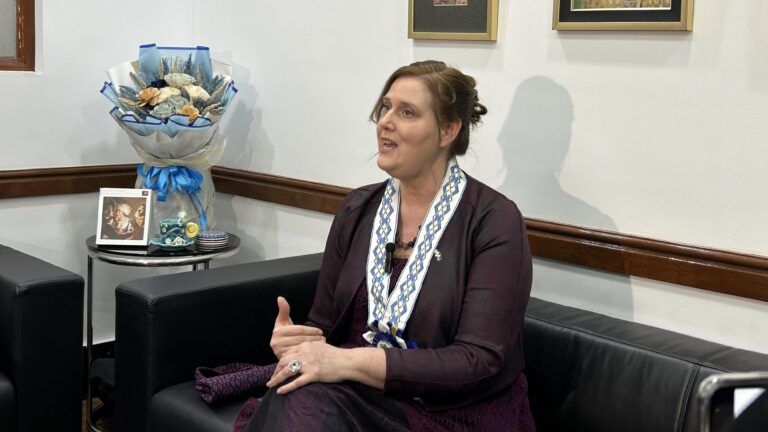
On Tuesday, Energy Secretary Sharon Garin finally explained why the Philippines is taking one of the hardest hits in Southeast Asia as tensions in the Middle East continue to shake global oil markets.
The answer?
It’s not just the crisis… it’s how the system works here at home.
During a virtual briefing, Garin pointed out a key difference between the Philippines and its neighbors.
Many countries in the region are quietly helping their citizens by subsidizing fuel.
“Ibig sabihin… parang subsidized lang ‘yung presyo,” she said.
When people buy fuel abroad, their governments are actually paying part of the cost—keeping prices from soaring too high.
In the Philippines, that safety net simply doesn’t exist.
And now, the impact is painfully clear.
This week alone, gasoline prices jumped by as much as ₱12 per liter.
Premium fuel (RON97) now ranges from ₱87.69 to a staggering ₱112.40 per liter.
RON95 sits between ₱83.10 and ₱109.78… while RON91 climbs up to ₱102.50.
Diesel? Even worse.
Prices surged by up to ₱18 per liter—now hitting as high as ₱134.30.
Premium diesel variants are nearing ₱144 per liter.
And kerosene… a lifeline for many households… rose sharply too, reaching up to ₱165.79 per liter.
So why is the Philippines so vulnerable?
Garin laid it out plainly.
“We import 99% of our petroleum.”
That means the country is almost entirely dependent on global supply—leaving it exposed whenever international prices spike.
But that’s only part of the story.
The country’s oil industry is deregulated.
In simple terms… the government doesn’t control fuel prices.
“This is an unregulated industry,” Garin explained.
Prices are dictated by oil companies competing with each other—not by government intervention.
And then there are taxes.
Excise taxes. Value-added tax (VAT).
All of these add to the final price consumers pay at the pump.
It’s a system built over time—one that isn’t easy to change overnight.
Garin admitted that real solutions will take more than quick fixes.
“There are substantial long-term reforms that we need to do,” she said.
But for now… change will require action from lawmakers.
Until then, Filipinos are left to brace for the impact—one fuel hike at a time.