
Filipino motorists may soon face another painful hit at the pump.
Fuel prices are expected to surge again next week, with diesel possibly rising by as much as ₱15 per liter and gasoline by up to ₱12 per liter.
For many drivers already struggling with rising costs, the news feels like another heavy blow.
Another Big Fuel Hike Looms
In a report on 24 Oras by journalist Maki Pulido, industry sources revealed that global fuel prices over the past two days point to another major increase.
Initial estimates show:
-
Diesel: up by ₱13 to ₱15 per liter
-
Gasoline: up by ₱10 to ₱12 per liter
-
Kerosene: up by around ₱6 per liter
However, experts say the final price adjustments may still change depending on movements in the global market over the next few days.
Motorists Rush to Gas Stations
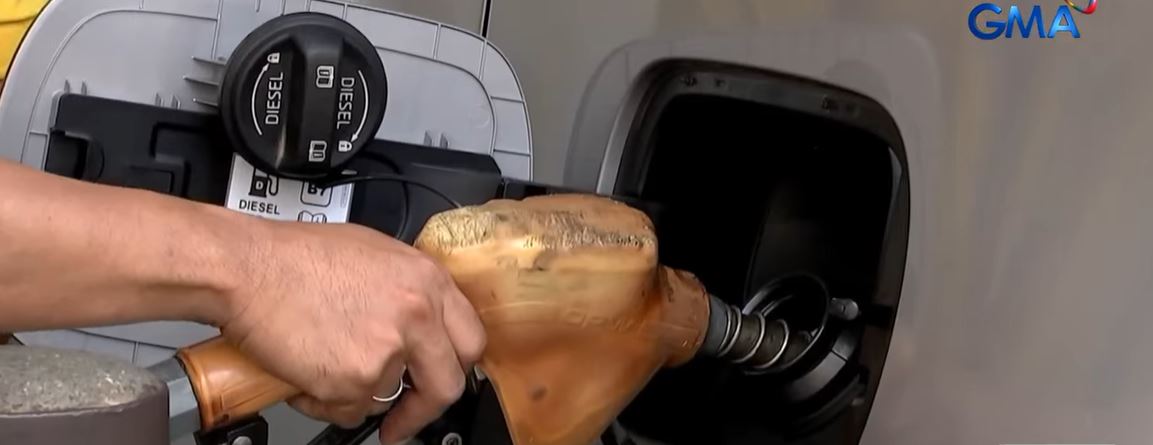
Even before the new prices take effect, many motorists are already heading to fuel stations.
At a gas station in Quezon City, workers noticed something unusual.
More vehicles than usual were lining up.
Drivers were filling their tanks early, hoping to avoid the higher prices expected next week.
Still, the Department of Energy is urging the public not to panic buy.
Officials said the country has enough fuel supply and there is no need for hoarding.
Businesses Feeling the Pressure
The rising cost of fuel is also hitting small businesses.
One local eatery said it decided not to raise food prices for now.
Instead, it quietly reduced portion sizes to cope with the increasing cost of liquefied petroleum gas and other expenses.
But even that solution comes with a painful consequence.
Fewer customers are coming in.
Government Steps Up Monitoring
With fuel prices climbing, authorities are also keeping an eye on possible overpricing.
The Department of Energy encouraged the public to report suspicious pump prices through its official website.
Officials admitted they cannot monitor every station across the country.
After all, there are around 14,000 gas stations nationwide.
Because of this, local governments are stepping in.
Officials in Manila and San Juan have already begun inspecting gasoline stations to ensure they are following proper pricing rules.
A Tough Road Ahead
For drivers, commuters, and small businesses, the looming fuel increase is more than just numbers on a pump.
It means higher transport costs.
Higher food prices.
And tighter budgets for families already trying to stretch every peso.
For now, all eyes remain on the global oil market.
Because in just a few days, Filipino motorists may once again feel the sting — every time they fill up their tanks.