

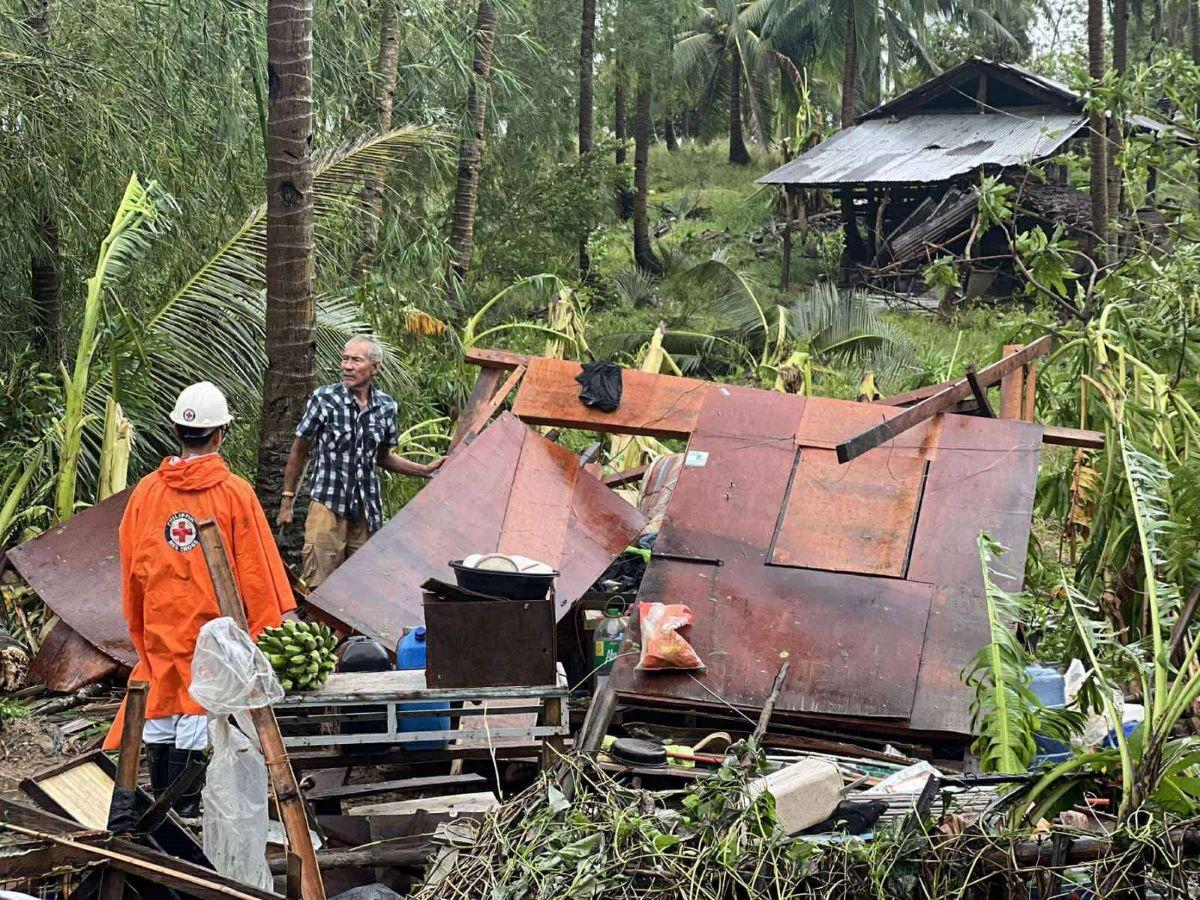
The Department of Education (DepEd) revealed heartbreaking news on Saturday: a total of 1,370 classrooms were damaged as Typhoon Opong and the Southwest Monsoon (Habagat) battered communities across the country.
Of these, 891 classrooms sustained minor damage, 225 suffered major destruction, and 254 were completely ruined.
But beyond the numbers, the scale of impact is staggering. More than 13.3 million learners and 569,000 school personnel across 23,796 public schools in 13 regions were affected by the storms. Many of the hardest-hit students came from the Bicol Region, Eastern Visayas, CALABARZON, Central Luzon, and MIMAROPA.
Amid the devastation, 121 schools are now serving as evacuation centers, sheltering families who lost their homes.
DepEd assured the public that it is working closely with local government units and humanitarian partners to carry out emergency response protocols, prepare schools for the return of classes, and provide immediate support to affected communities.
Typhoon Opong exited the Philippine Area of Responsibility on Saturday morning, but the scars it left behind—alongside recent cyclones Mirasol, Nando, and the relentless Habagat—remain heavy.
According to the National Disaster Risk Reduction and Management Council (NDRRMC), a total of 738,714 families—or nearly 2.8 million people—were affected by these weather disturbances. The tragedies also claimed 26 lives, injured 33 people, and left 14 others missing.
The road to recovery will be long, but the resilience of Filipinos—and the united efforts of government, schools, and communities—will play a vital role in helping students and families rise again.