


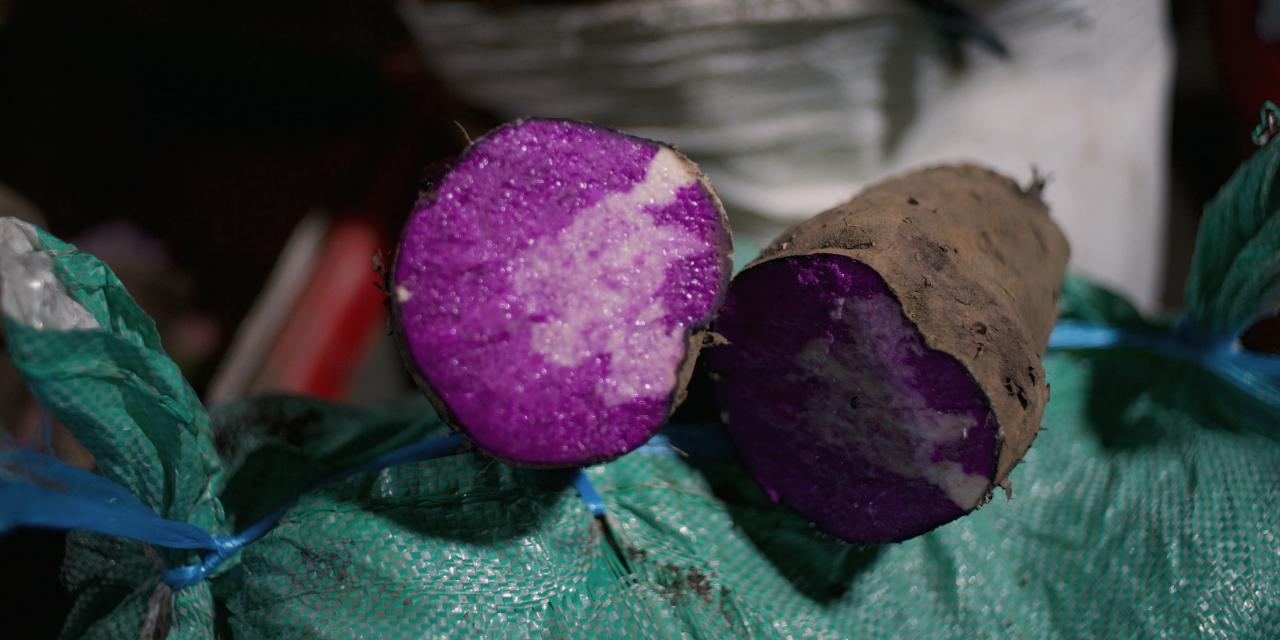
The Rise of Ube: A Sweet Strategy for the Future
As the vibrant purple yam known as ube captures hearts and taste buds around the globe, the Philippines is taking a bold step to protect this beloved crop. Recently, the Department of Agriculture (DA) announced that it is indefinitely suspending the export of raw ube. This crucial decision aims to boost domestic production and safeguard the Philippines’ unique variety of this delightful ingredient.
What’s Happening?
On a recent Sunday, the DA shed light on this significant move. The Bureau of Plant Industry (BPI) issued a suspension last month. This suspension affects fresh ube and any planting materials — meaning nothing is allowed to leave the country, whether it’s destined for cooking, planting, or even research purposes.
Agriculture Secretary Francisco Tiu Laurel Jr. explained the reasoning behind this action: “We severely lack planting material ourselves.” He emphasized, “We don’t want to export it to countries that could use Philippine ube varieties to compete with us.” His concern isn’t just about keeping ube at home; it’s about laying the groundwork for a thriving local industry.
Why Ube Matters Now More Than Ever
Ube’s popularity is skyrocketing, but sadly, the Philippines isn’t producing enough to meet this soaring demand. The DA recognizes the urgency of the situation. To keep up, they’re investing in research and innovation. They’re backing efforts to ramp up ube production through various methods.
Projects like tissue culture, community-based nurseries, and mini-set propagation are on the horizon. These initiatives are designed to increase the supply of planting materials and ultimately ensure that ube remains a cornerstone of Filipino cuisine.
A Unified Front
Moreover, the stakeholders in the ube industry have come together, forming a national organization. This group includes farmers, cooperatives, growers, processors, traders, exporters, researchers, and government agencies—all working hand-in-hand to foster growth in the ube sector.
This collaboration is vital as they navigate the challenges of meeting both local and international demand. With the support of the community and the government, the hope is to cultivate a robust industry that can withstand global competition.
The Future is Bright
In these exciting times for ube, the focus is not just on preserving a crop but also on nurturing dreams. The Philippine government’s strategy to suspend exports reflects a commitment to the country’s agricultural future. As production ramps up, there’s a bright horizon ahead—one filled with purple yam goodness that can delight not just local palates but potentially those around the world.
So let’s cheer on this noble endeavor! The future of ube in the Philippines looks promising, filled with hope, collaboration, and the vibrant flavors that make ube an irresistible treasure.