

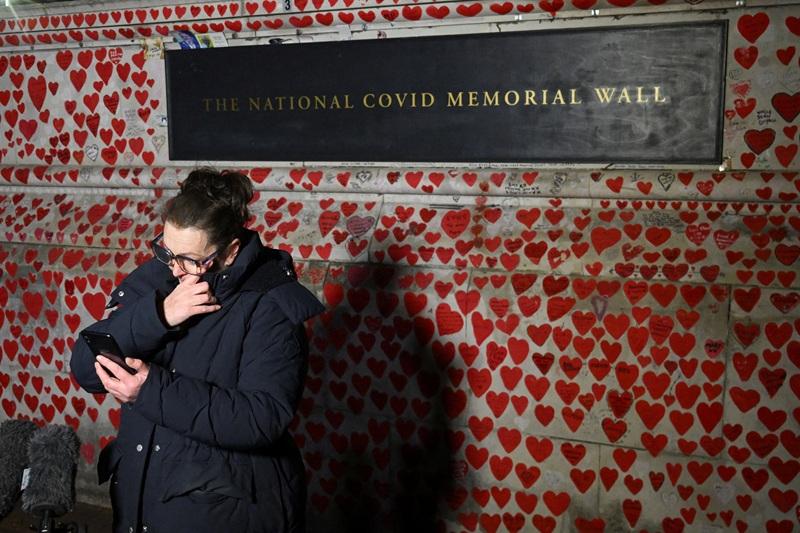
LONDON, United Kingdom — A shocking UK public inquiry has revealed that nearly 23,000 lives in England could have been saved if the first COVID-19 lockdown had been introduced sooner.
The second report from the independent inquiry into the UK’s pandemic response also painted a damning picture of government culture under former Prime Minister Boris Johnson, describing it as “toxic,” chaotic, and dismissive of women’s voices.
Inquiry chair Heather Hallett said the government showed a “serious failure” to understand the risks posed by COVID-19 and a dangerous lack of urgency in early 2020.
“Had the lockdown been imposed one week earlier than March 23, the evidence suggests deaths in England in the first wave could have been reduced by 48 percent,” Hallett said.
The report called February 2020 a “lost month,” adding that earlier action might have shortened the lockdown—or even made it unnecessary. Despite this, the report stressed that the March lockdown was essential, warning that without it, transmission would have soared, leading to even greater loss of life.
By mid-July 2021, the UK had suffered one of Europe’s deadliest tolls, with more than 128,500 deaths. Since the start of the pandemic, over 226,000 people in Britain have died from COVID-19.
The inquiry criticized repeated delays in responding to subsequent waves, and highlighted a government culture marked by chaos and mistrust. The report cited a lack of coordination with Wales, Scotland, and Northern Ireland, a sidelined cabinet, and leaders who ignored women’s voices.
Dominic Cummings, Johnson’s former top aide, was singled out for destabilizing behavior, while Johnson himself was criticized for failing to address the toxic culture—sometimes even encouraging it.
During hearings last month, Johnson expressed regret over the pandemic’s impact on children, particularly the “nightmare” of school closures. Families who lost loved ones slammed the government’s handling as “catastrophic.”
“We now know that many of our family members would still be alive today if it weren’t for the leadership of Boris Johnson and his colleagues,” said COVID-19 Bereaved Families for Justice UK.
The inquiry recommended reforms to decision-making structures during emergencies and called for better consideration of vulnerable groups in policy planning.
While the inquiry investigates what went wrong and why, it does not assign civil or criminal liability, and its recommendations are not legally binding. It is scheduled to wrap up in 2026, aiming to ensure lessons are learned from one of the UK’s deadliest public health crises.