


COP17 Summit: A Mixed Bag of Progress and Missed Chances in Yerevan
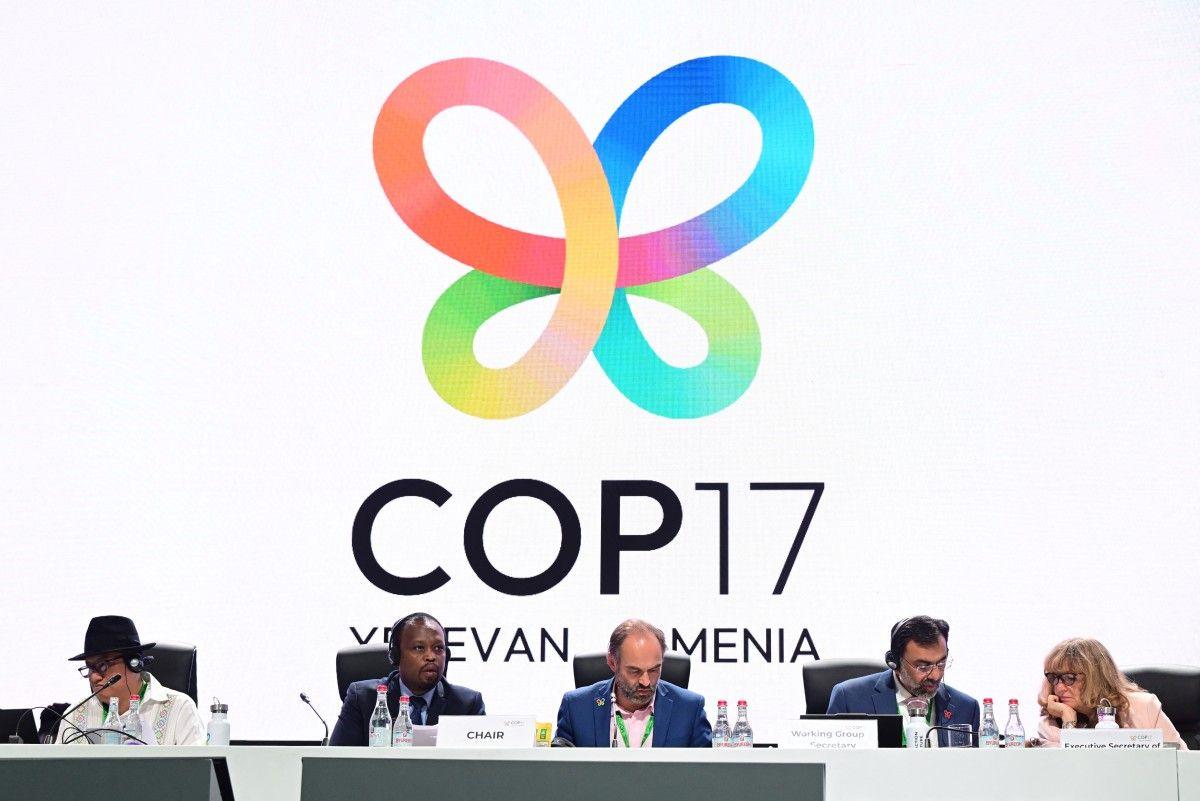
In a moment that was a whirlwind of cheers and clouds of disappointment, nearly 200 nations gathered in Yerevan, Armenia, for the UN biodiversity summit. After two weeks of intense negotiations, critical agreements were finally reached on Friday. However, the air was heavy with the weight of unfulfilled promises and the haunting echoes of nature’s plight.
Delegates burst into applause as key texts were approved, but celebrations were tinged with frustration. There were lively debates and candid reflections on how much still needs to be done. The COP17 summit aimed to revive an ambitious commitment to halt and even reverse the destruction of nature by the year 2030. Unfortunately, global efforts have so far fallen short of this crucial goal.
*A Call to Action*
From the start, nations were urged to steer the ship back on course, emphasizing the importance of protecting the plants, animals, and ecosystems that we all depend on. The United Nations had set forth critical targets, including the protection of 30% of Earth’s land and oceans, tackling pollution, and combating invasive species. Sadly, the progress achieved was deemed insufficient for these ambitious 2030 goals.
“And that’s it. Perfect,” said COP17 president Hambardzum Matevosyan, his voice cutting through the tension as he brought down the gavel on two major agreements, even as the final texts remained unavailable early Saturday morning. Yet, French Ecological Transition Minister Monique Barbut articulated the collective disappointment felt by many: “The outcome here is not commensurate with the crisis that engulfs our natural world.”
Her words resonated deeply as she lamented the missed opportunities to expedite our response to biodiversity loss, reminding everyone that, “nature will not wait for the pace of our negotiations.”
*A Tug-of-War for Biodiversity*
The final moments of the plenary session stretched late into the night, filled with heated exchanges as discussions grew increasingly contentious. Veteran COP observer Juliette Landry captured the turmoil: “There was a lot of push and pull in every direction… in that context, it’s hard to get things accepted.”
In the midst of these tensions, a draft agreement urged countries to “accelerate” their efforts and warned that “increased action” was vital to combat the forces driving biodiversity loss. Guido Broekhoven from WWF International reflected on this: “While there are weaknesses, particularly regarding harmful subsidies, this does represent a step forward.”
Addressing the very financial incentives that encourage practices harmful to nature—like fossil fuel extraction, intensive agriculture, and overfishing—proved to be a hotbed of debate.
*Challenges in the Backroom*
A critical rift emerged around the discussion of scientific evidence, where some nations were accused of undermining efforts to endorse key reports. This shocking turn of events drew reactions even from seasoned negotiators. “We regret the increasing instances in which scientific evidence and its uptake has been challenged,” stated Swiss negotiator Gabriela Blatter, speaking on behalf of multiple countries. She emphasized, “Science is not negotiable.”
Another key issue looming over the summit was finding new sources of funding for conservation efforts, particularly as budgets worldwide are strained by crises in energy and conflicts across Ukraine and the Middle East. The European Union pushed for wealthy emerging economies like China to contribute more to global conservation efforts, a move met with considerable resistance.
In a potential sign of progress, a draft text invited non-developed countries to voluntarily join donor efforts, yet major questions surrounding the design of the Cali Fund—a UN mechanism meant to attract corporate contributions—remained unresolved. As Pakhi Das from Plant-for-the-Planet pointed out, “By delaying critical decisions, they have essentially ensured the fund stays empty for the foreseeable future.”
*Looking Ahead*
In a significant move, the COP17 summit concluded early Saturday by announcing that Ecuador will host the next round of biodiversity talks in 2028, beating out Panama in a closely contested vote.
As the dust settles in Yerevan, the world is left grappling with the bittersweet outcomes of this summit. While some steps forward were taken, they are overshadowed by the urgent needs of our planet. It’s a stark reminder that the battle to save our natural world requires not just promises, but a profound commitment to action.
Let’s hope that in the future, we don’t just leave discussions at the table—but make real strides toward a sustainable, thriving planet for generations to come.