

The Drought Crisis: A Nation in Distress
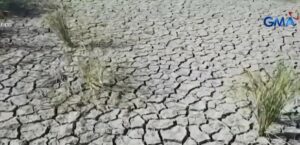
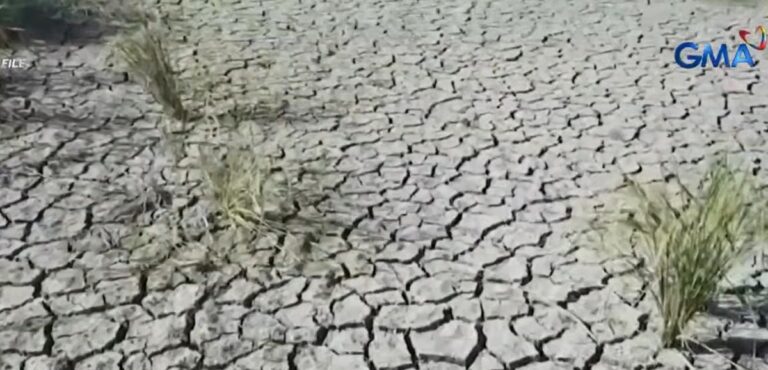
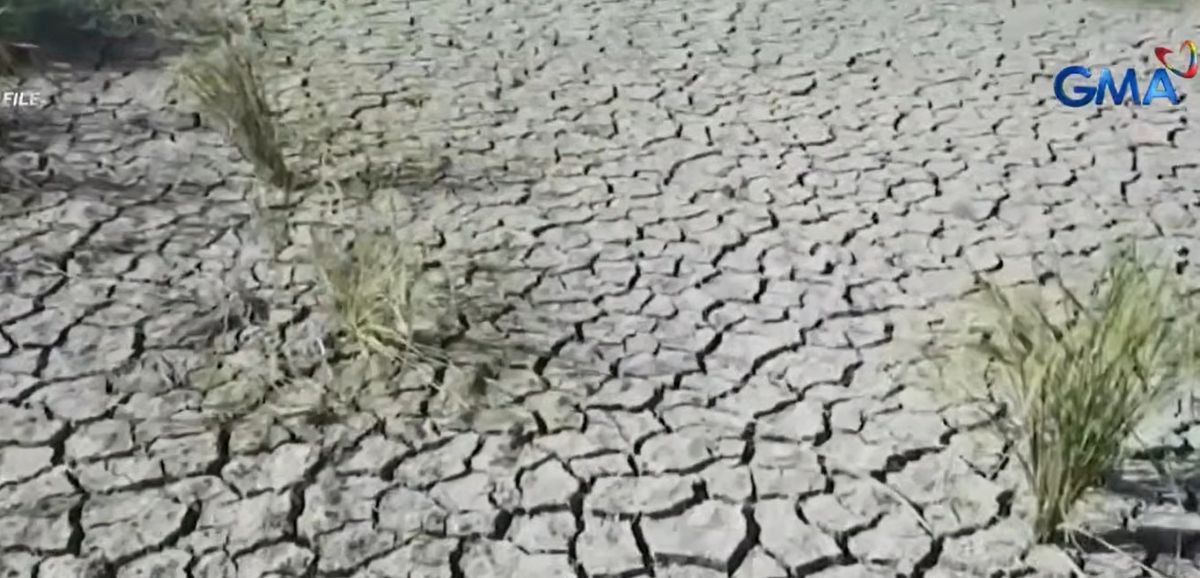
As the sun blazes relentlessly over our lands, a state of calamity has been declared in 106 areas across our country, a staggering response to the intense dry conditions brought on by the El Niño phenomenon. This is not just a statistic; it’s a heart-wrenching reality for thousands of families facing the harsh consequences.
The National Disaster Risk Reduction and Management Council (NDRRMC) recently shared that this calamity is affecting five regions:
– Cagayan Valley: 66 areas
– Calabarzon: 4 areas
– Bicol: 12 areas
– Soccsksargen: 1 area
– Caraga: 23 areas
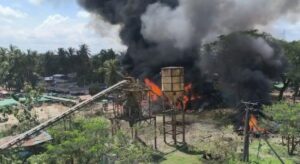
In Caraga alone, the fires have been wild—39 incidents reported in forests and mountains. The flames aren’t just consuming trees; they’re devouring hope.
The human cost of this disaster is staggering. Water supply interruptions have plagued four cities and municipalities, escalating the struggles faced by communities. Schools have shut their doors in 33 localities as children are sent home, their futures uncertain.
According to the NDRRMC, the effects of El Niño have spread like wildfire, impacting 104,149 families—388,375 individuals who are now grappling with loss. The agricultural sector has been hit especially hard, with damages and production losses estimated at a chilling P5.56 billion. It’s not just a number; it translates to 201,322 farmers and fisherfolk affected, their livelihoods hanging by a thread.
Cagayan Valley bears the brunt of this devastation, accounting for a staggering P4.96 billion in agricultural destruction. And with over 223,497 hectares of crops damaged, the landscape that once flourished with life now stands as a stark reminder of what we have lost. Among those affected, 41,164 hectares have suffered total crop loss—fields that will never bear fruit again.
In response to this growing crisis, the government has stepped in with assistance totaling P39,058,681, but much more is needed. Support is crucial as communities try to rebuild.
The weather bureau, PAGASA, has confirmed that this warming trend in the tropical Pacific is not just a passing phase. As of June 9, they warned of below-normal rainfall—conditions that can lead to widespread drought and dry spells in various parts of our nation. Yet, while the west may see above-normal rainfall during the Southwest monsoon, the overall forecast is grim.
As we look ahead, the outlook is daunting. When October arrives, the rains are expected to dwindle further, with El Niño potentially lasting until March or even June of the following year. It’s predicted that around 40 provinces will experience less rain during this dry spell, and once January strikes, that number could soar to 80.
This isn’t just a weather pattern; it’s a challenge that will test the resilience of our people. Together, we must rally to face this crisis, offering support, solidarity, and a glimmer of hope in an otherwise difficult time for our nation.
Through this trial, we must remind ourselves—the heart of our country lies not just in its land but in its people. And it’s that very spirit that will help us endure, rebuild, and flourish once again.