


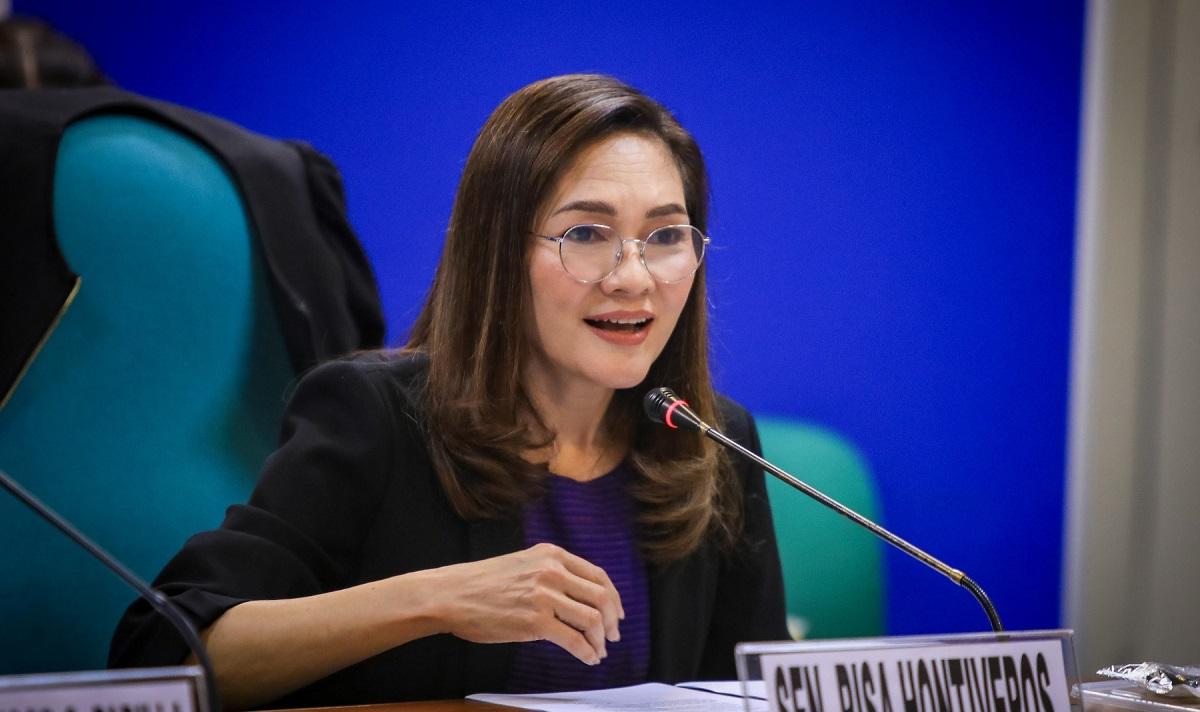
After months of listening… debating… and traveling across the country, the Senate Committee on Electoral Reforms and People’s Participation has wrapped up its public consultations on a measure that could reshape Philippine politics.
The proposal?
A law that would finally prohibit political dynasties.
On Thursday, in Cagayan de Oro City, Senator Risa Hontiveros closed the final leg of five public consultations held nationwide. From Pasig to Calamba, Bacolod to Bulacan — and now Northern Mindanao — Filipinos were given the chance to speak.
And they did.
But Hontiveros made one thing clear.
This fight is not personal.
“The fight against political dynasties is not about any family,” she said. “It is not against democracy. In fact, this is meant to strengthen our democracy.”
She emphasized that the goal is simple — fix a system that many believe has not worked for the majority of Filipinos for far too long.
For Hontiveros, the issue cuts deeper than politics.
It’s about fairness.
It’s about opportunity.
It’s about who gets the chance to serve.
“Government positions should be open to all Filipinos who have the ability and desire to serve,” she said. “They should not be reserved based on last names.”
She added that passing the bill could move the country one step closer to addressing long-standing problems — corruption, poverty, and inequality.
Seven Bills Waiting
The push to ban political dynasties isn’t new.
The 1987 Constitution already calls for their prohibition. Yet nearly four decades later, no enabling law has been passed.
At the Senate alone, seven anti-dynasty bills are currently pending before the committee.
Momentum is building — but challenges remain.
The Implementation Question
During the consultation in Cagayan de Oro, Commission on Elections (Comelec) Region 10 Director Renato Magbutay raised a practical concern.
Passing a law is one thing.
Enforcing it is another.
“If the law is ambiguous or full of loopholes, it will be very hard for Comelec to implement,” Magbutay admitted.
But he also offered assurance.
If lawmakers craft a clear, ironclad, and foolproof measure — one that is easy to explain and understand — Comelec can implement it.
That promise, however, comes with an important condition.
Political will.
Senator Francis “Kiko” Pangilinan, who attended the consultation, stressed that enforcement does not depend on wording alone.
He pointed to vote-buying — already illegal — yet still widespread.
“The Comelec is charged to enforce the law and disqualify violators,” Pangilinan said. “Political will is required.”
In other words, even the strongest law will fail without the courage to enforce it.
A Priority Measure
The proposed Anti-Political Dynasty Act has been tagged as a priority under the Marcos administration.
For many, that label carries hope.
For others, skepticism.
But after five public consultations across the country, one thing is clear:
The conversation is no longer quiet.
Filipinos are watching.
They are listening.
And they are waiting to see whether this long-standing constitutional promise will finally become reality — or remain another unfinished chapter in the nation’s democratic journey.