
Should Filipinos finally stop paying travel tax when flying abroad?
It’s a question that has stirred excitement… and concern.
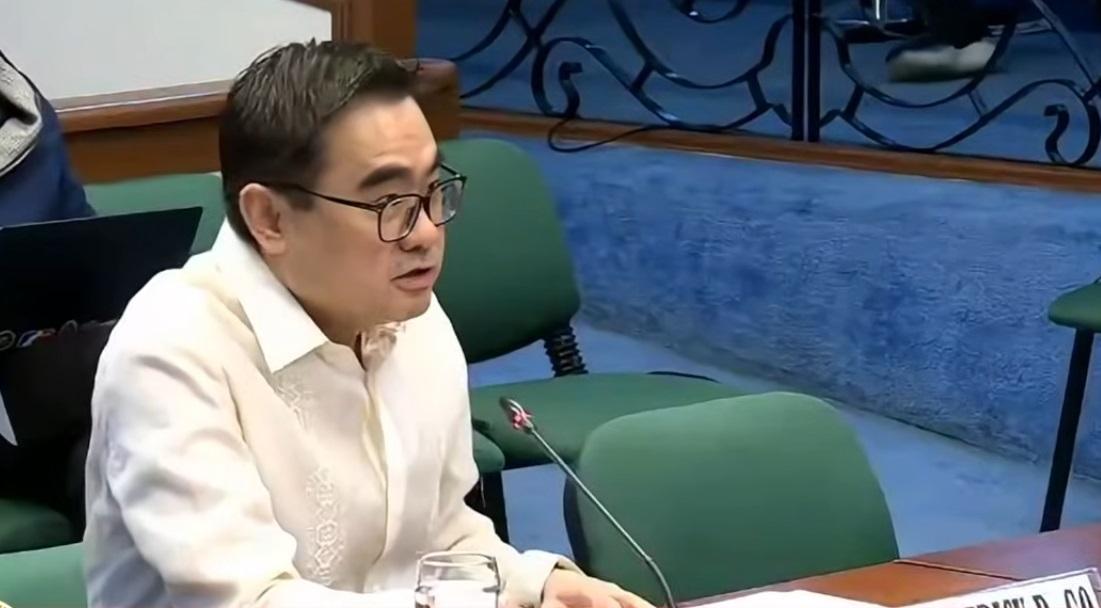
But for Finance Secretary Frederick Go, the answer is clear:
Let Congress decide.
“We leave it to the wisdom of Congress,” Go said when asked about the Department of Finance’s position.
A careful response.
Measured.
Deliberate.
Because the issue is bigger than it seems.
Where Does the Money Really Go?
Many assume the travel tax goes straight to the national government.
It doesn’t.
“There’s none that goes to the national government,” Go clarified.
The total collection reaches around P8 billion a year.
And that money is divided carefully:
-
50% goes to TIEZA (Tourism Infrastructure and Enterprise Zone Authority)
-
40% goes to CHED for tourism-related education
-
10% supports the arts and heritage preservation
In short, the tax fuels tourism development, education, and culture.
Not the general budget.
A Push to Scrap It
President Ferdinand “Bongbong” Marcos Jr. has included the abolition of the travel tax among his administration’s priority legislative measures this year.
His son, House Majority Leader Ferdinand Alexander “Sandro” Marcos, has taken it a step further.
He filed House Bill 7443, seeking to repeal the decades-old law that imposes the levy.
For years, Filipino travelers have paid:
-
P1,620 for economy class
-
P2,700 for first-class
Sandro Marcos argues that the tax has already outlived its purpose.
For many travelers, especially families saving for long-awaited vacations, removing the tax would mean lighter expenses and easier journeys.
But There’s a Catch
Tourism Secretary Christina Frasco has sounded a warning.
Scrapping the tax without a replacement fund, she said, could hurt the tourism sector.
Half of the collections fund infrastructure projects:
Tourist rest areas.
Visitor centers.
Jetty ports.
Forty percent supports tourism education through CHED.
Ten percent preserves heritage structures across the country.
Remove the tax — and those programs could lose funding.
Unless Congress finds another source.
A Balancing Act
On one side:
Filipinos hoping for relief from added travel costs.
On the other:
A tourism industry relying on billions to build, educate, and preserve.
For now, the Department of Finance is stepping back.
The decision, Go says, belongs to lawmakers.
And as Congress weighs the proposal, one thing is certain:
This is not just about paying less at the airport.
It’s about choosing where the country invests its future — in travel relief today, or tourism development tomorrow.
The debate is only beginning.