


Tensions Rise in the Strait of Hormuz: A Battle for Control and Stability
In the heart of a brewing conflict, the peaceful waters of the Strait of Hormuz have become a battleground for military might and economic interests. On one side, we have the United States, led by President Donald Trump, who is rallying for action to aid ships trapped in this vital waterway. On the other, Iran stands firm, promising a fierce defense against any foreign intervention.
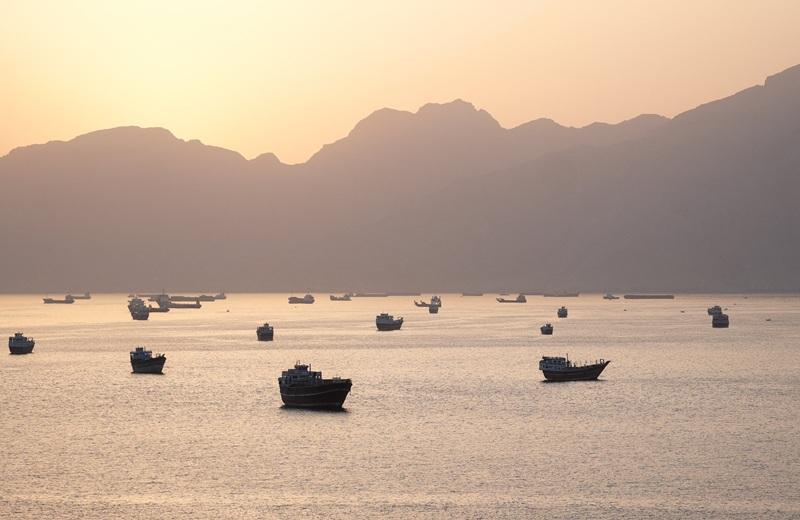
Just this past Monday, the situation escalated when Iran’s military issued a stern warning to U.S. forces: stay out of the Strait of Hormuz. The U.S. had announced plans to help liberate vessels encumbered by the ongoing U.S.-Israeli war against Iran. These ships, along with their crews, have been languishing in the Gulf for over two months, their supplies dwindling and their hope fading.
President Trump took to Truth Social, asserting, “We will guide their ships safely out of these restricted waterways.” But the details of this ambitious plan remain shrouded in mystery, leaving many to wonder: How will this unfold?
Iran’s response was swift and uncompromising. Ali Abdollahi, the head of Iran’s military command, stated that any foreign forces attempting to enter the strait would face “harsh” consequences. He emphasized that the security of these waters lies in Iran’s hands, urging commercial vessels to coordinate their movements with Iranian military forces.
Meanwhile, the U.S. Central Command (CENTCOM) is gearing up for a show of strength, deploying 15,000 troops and a fleet of aircraft, warships, and drones to support what they call a “defensive mission.” Admiral Brad Cooper of CENTCOM emphasized the mission’s importance for both regional security and the global economy, hinting at the broader implications of the situation. Hundreds of vessels—and as many as 20,000 seafarers—have been unable to pass through the strait, reflecting the urgency of the crisis.
Tragically, just as tensions were escalating, reports emerged of a tanker being struck by projectiles in the strait, sending shivers through the maritime community. Though all crew members were reported safe, the incident underscored the volatility of the waters.
For over two months, Iran has effectively blockaded shipping in the Gulf, causing a spike in energy prices and further exacerbating global economic instability. As U.S. forces tighten their grip on the situation, we see Iran seizing several ships and firing at vessels attempting to pass through. The stakes couldn’t be higher.
While President Trump is seeking global collaboration to secure the Strait of Hormuz, specific details about the U.S. operation remain vague. Will naval escorts be provided? What countries will participate in this mission? Meanwhile, Trump’s rhetoric suggests that any interference will be met with decisive force.
In a parallel development, Iran has been examining a U.S. response to its latest peace proposal. Amidst rising tensions, markets slightly improved, but crude oil prices remain dangerously high, hovering above $100 a barrel. Iran is now contemplating Washington’s feedback on its comprehensive 14-point plan, which includes calls for the withdrawal of U.S. troops from the region and an end to the blockade.
As Iranian officials review the U.S. response, the gaps between the two nations’ positions appear wide. While Iran desires a pause on nuclear negotiations until the conflict resolves, the U.S. insists on stringent controls to ensure that Iran’s nuclear ambitions do not pose a threat.
Yet, time is critical. President Trump faces increasing pressure domestically as rising gas prices threaten his party’s standing ahead of the midterm elections. The complex interplay of regional stability, economic interests, and international relations hangs precariously in the balance.
In the turbulent waters of the Strait of Hormuz, where the world’s oil supply flows, the fight for control and stability continues. As nations navigate these stormy seas, the hope for a peaceful resolution seems a distant shore, reminding us that in the quest for power, the price of peace is often steep.