

There’s movement again… but also uncertainty.
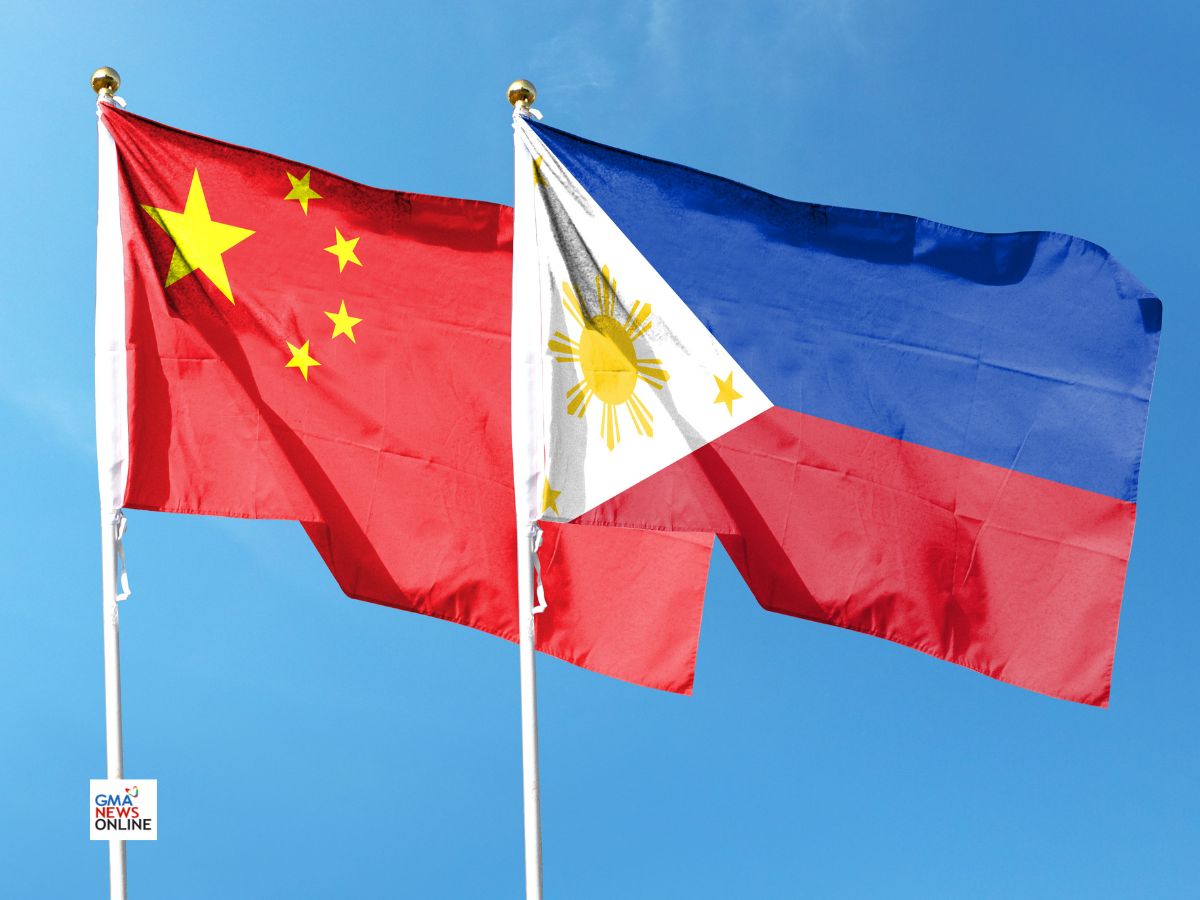
The Philippines and China have returned to the negotiating table, quietly reopening discussions under the 11th Bilateral Consultation Mechanism (BCM) in Fujian.
At the heart of it all?
The West Philippine Sea… rising global tensions… and an oil crisis that’s beginning to hit everyone.
For two days, both sides are sitting down—talking through long-standing disputes, while also exploring something more urgent: energy security in a world that suddenly feels unstable.
Foreign Affairs Undersecretary Leo M. Herrera-Lim made one thing clear—nothing is final yet.
This is still… exploratory.
At best, he said, both countries are simply trying to understand each other. To exchange views. To see if cooperation—even in small ways—is possible.
Because right now, the pressure is real.
Oil prices are climbing.
The Middle East conflict is shaking global supply.
And countries like the Philippines are feeling the strain.
So the question becomes: can crisis open doors?
Herrera-Lim believes it might.
There’s talk—not commitments, just talk—about working together in areas like oil, food, fertilizer, and even renewable energy. A chance, perhaps, to build some level of shared energy security in the region.
But behind the cautious optimism… reality still lingers.
Oil exploration, he reminded, is not a quick fix. It takes years—sometimes a decade—before results even begin to show.
Still, there are possibilities.
China has the infrastructure.
Refineries. Access. Capacity.
And the Philippines? It has untapped potential—especially in renewables.
Somewhere in between… there may be common ground.
Meanwhile, signals from both sides are getting harder to ignore.
President Ferdinand “Bongbong” Marcos Jr. recently said he’s open to restarting talks with Beijing on joint energy projects in the South China Sea.
Shortly after, the Chinese Embassy in Manila spoke of “positive progress” in discussions on oil and gas exploration.
It sounds promising.
But it’s complicated.
Beyond energy, the talks also aim to keep momentum on something long overdue—the Code of Conduct (COC) in the South China Sea.
A framework that could finally bring structure… and hopefully stability… to one of the region’s most contested waters.
There’s also a proposal on the table: closer cooperation between the Philippine and Chinese Coast Guards.
For now, the Philippines is waiting.
Waiting for China’s response.
Waiting for the next step.
This isn’t new territory.
The BCM has long served as a diplomatic bridge between the two nations—a space to discuss tensions, avoid escalation, and find areas where cooperation is still possible.
And yet… the bigger picture remains unchanged.
The West Philippine Sea is believed to hold vast energy reserves—millions of barrels of oil and billions of cubic feet of natural gas.
Places like Recto Bank sit rich with promise… and risk.
Because despite the dialogue, the tension never really left.
China continues to assert sweeping claims over the South China Sea—claims that overlap with Philippine territory and were already rejected by an international ruling in 2016.
A ruling Beijing still refuses to recognize.
So yes, talks have resumed.
There’s dialogue.
There’s cautious hope.
But beneath it all… the same question remains:
Can cooperation truly move forward… when the conflict itself is far from over?