
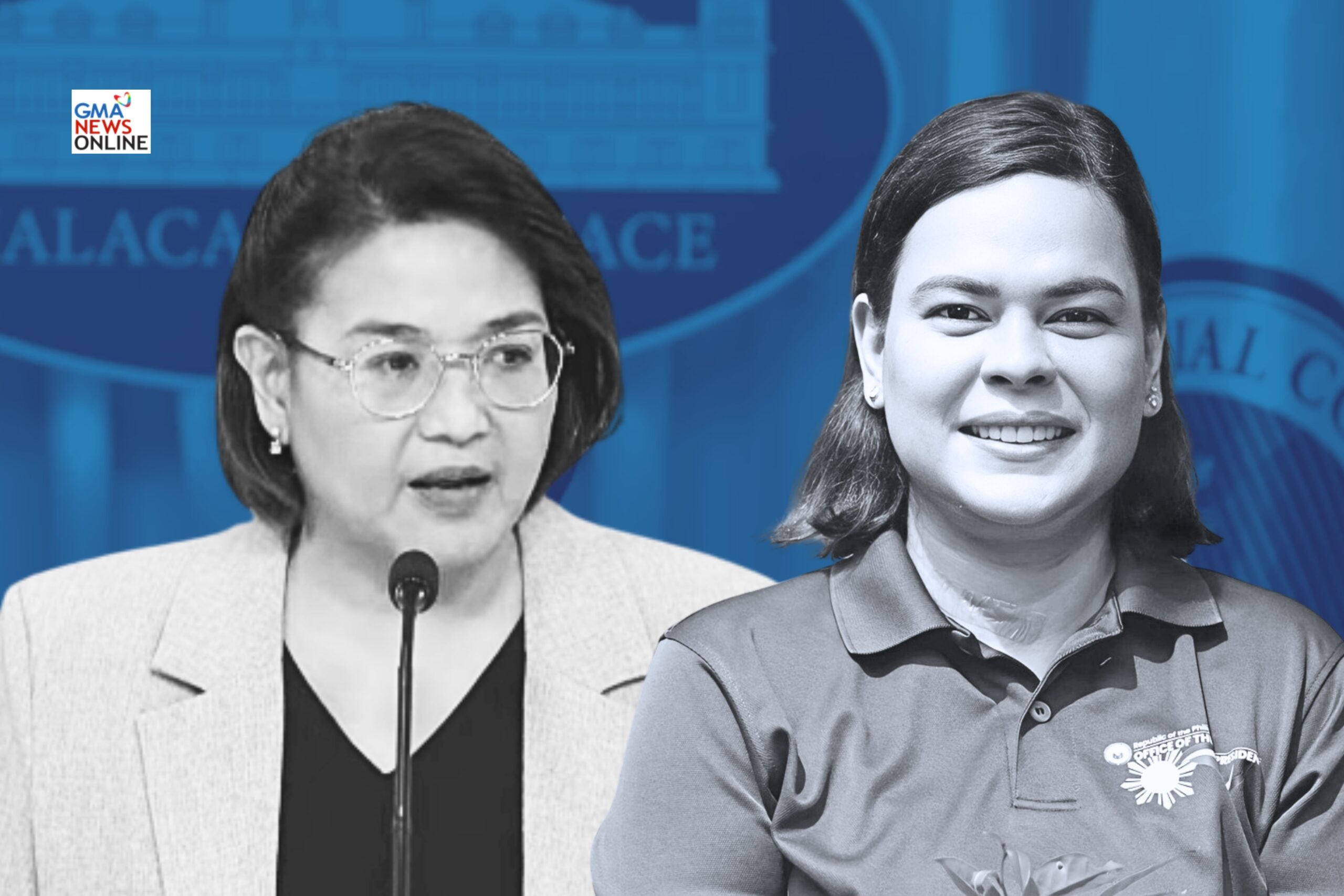
Malacañang didn’t hold back.
On Friday, the Palace sharply criticized Vice President Sara Duterte over her reaction to questions about President Ferdinand “Bongbong” Marcos Jr.’s health—calling her response not just inappropriate, but irresponsible.
At the center of the issue was a simple question… but one loaded with speculation.
Palace Press Officer Undersecretary Atty. Claire Castro pointed out that even the question thrown at Duterte already carried a dangerous assumption.
There was no verified issue. No confirmed illness.
And yet—it was asked anyway.
That, Castro said, set the tone for what followed.
Instead of shutting it down, the Vice President responded with a brief remark:
“Good luck.”
She smiled. People around her laughed.
For Malacañang, that moment said everything.
Castro described the response as careless—especially given how sensitive the topic of health is, more so when it involves the country’s sitting President.
She stressed that, as Filipinos, mocking or making light of someone’s health—real or not—is not part of the culture.
Not when someone is truly sick.
And certainly not when the issue itself has no clear basis.
The Palace believes the situation goes beyond a single comment. It reflects how quickly misinformation can spread—and how easily it can be amplified, even unintentionally.
The Vice President, for her part, did not elaborate further. Her “good luck” statement remained just that—short, vague, and open to interpretation.
Meanwhile, President Marcos had already addressed the issue head-on.
He assured the public that he is in good health and fully capable of doing his job. In fact, he emphasized that he has been back to his normal routine for months.
Working. Monitoring his health. Staying ready.
A clear message: he’s fine—and focused.
Still, online speculation continues to swirl.
And as it does, Malacañang is making one thing clear—words matter. Tone matters. And in moments like this, how leaders respond can shape what people believe next.