


TOKYO, Japan — As tensions rise in the Middle East and uncertainty shakes global energy markets, Japan is preparing to take a major step to stabilize oil supplies.
The government announced Wednesday that it plans to release around 80 million barrels of oil from its private and national reserves.
The move is aimed at easing fears of shortages and helping calm global oil markets as the conflict involving Iran continues to threaten key energy routes.
A race to prevent an oil shock
Japan’s Ministry of Economy, Trade and Industry (METI) said the planned release is part of an effort to prevent disruptions in global oil supply.
At the heart of the concern is the Strait of Hormuz — one of the world’s most critical oil shipping routes.
For Japan, the stakes are especially high.
About 70% of Japan’s oil imports pass through this narrow waterway, making the country extremely vulnerable if the route is disrupted by the ongoing conflict.
“If the Strait of Hormuz were to close, Japan would face the biggest impact,” a METI official explained during a briefing.
Release set to begin soon
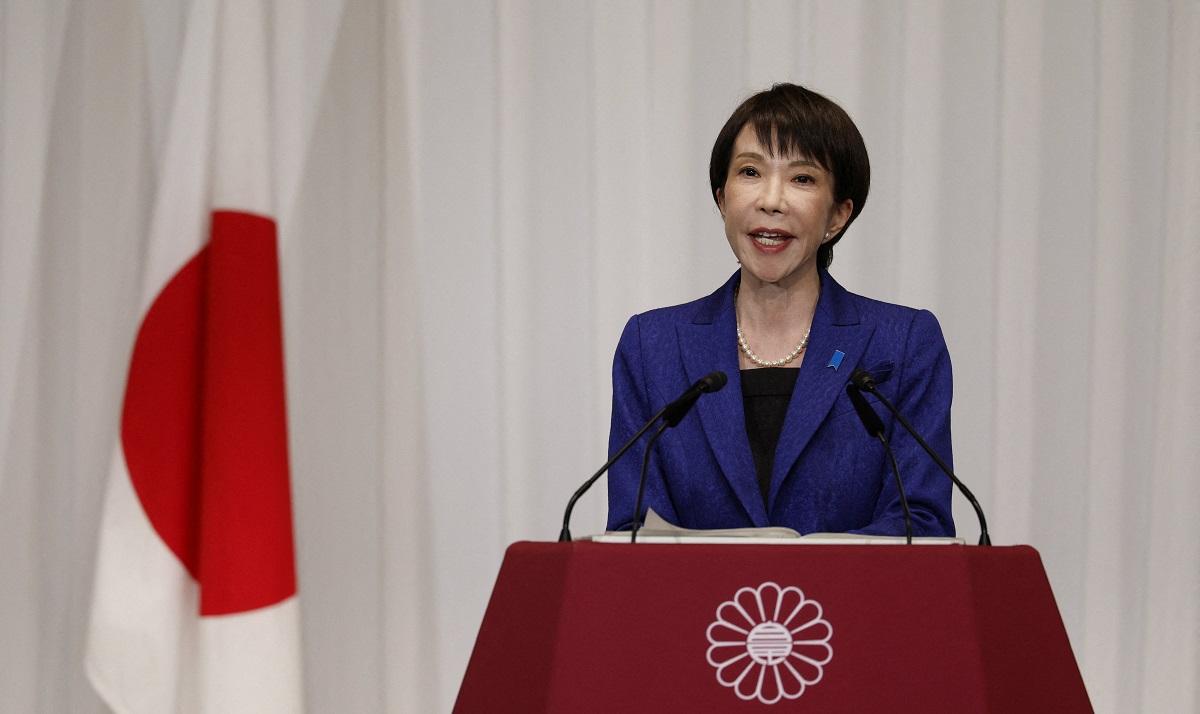
Prime Minister Sanae Takaichi confirmed that the oil reserves will begin to be released starting March 16.
The decision comes as governments around the world prepare for a possible coordinated global response to stabilize the oil market.
Officials say the release could become part of a larger effort led by the International Energy Agency (IEA).
A global effort to steady the market
The IEA has been discussing a coordinated release of emergency oil reserves among its member countries.
If such a plan moves forward, Japan’s 80 million barrels would be included in the broader international effort to prevent energy shocks and keep fuel supplies flowing.
For now, the message from Tokyo is clear.
The government is ready to act — quickly and decisively — to keep markets stable and ensure that energy supplies remain secure.
In a world where conflicts can quickly disrupt global resources, Japan’s move signals both caution and preparation in the face of growing uncertainty.