

More than ₱651 million.
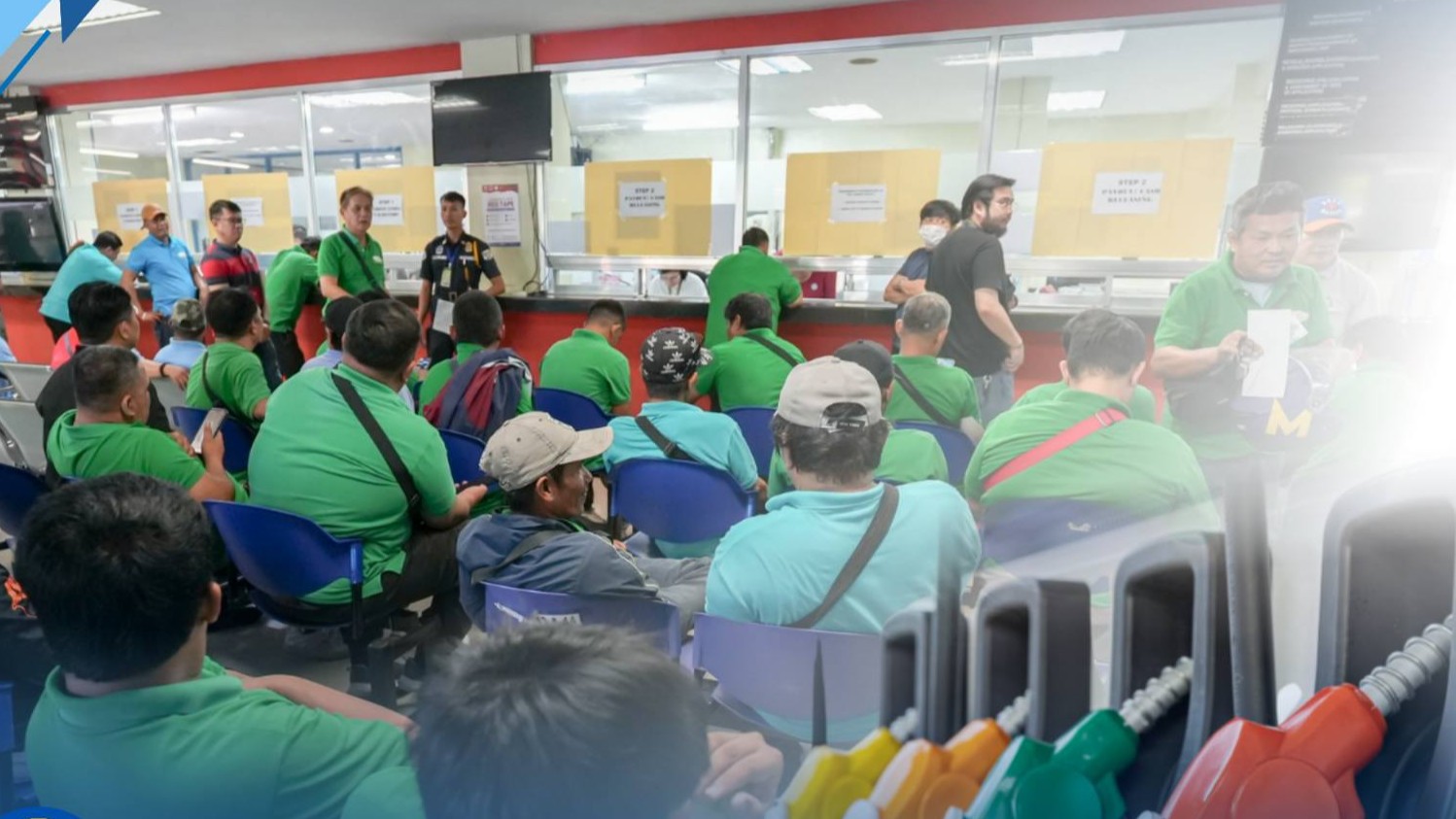
That’s how much cash assistance has already reached thousands of transport workers across the country—drivers and operators who continue to struggle as fuel prices climb.
On Monday, the Land Transportation Franchising and Regulatory Board (LTFRB) shared an update on the government’s fuel subsidy program, launched to ease the burden caused by rising oil prices linked to tensions in the Middle East.
And while the numbers are big… the reality on the ground is even bigger.
Since March 17, a total of ₱651,185,000 has been distributed. Metro Manila received the largest share at ₱181.2 million. Calabarzon followed with ₱98.2 million, and Central Luzon with ₱73.4 million.
Behind these figures are real people—jeepney drivers trying to make ends meet, bus operators keeping routes alive, delivery riders pushing through long days just to earn enough.
The support covers a wide range of workers: traditional and modern jeepneys, UV Express, buses, TNVS drivers, taxis, tricycles, and even delivery services.
But for LTFRB Chairperson Vigor Mendoza II, the mission is far from complete.
“The task is not yet done,” he said. “There is still so much to do.”
His message was clear—and grounded in urgency.
The government, he assured, is working together not just to release the remaining subsidies faster, but also to find more ways to support the public transport sector.
Because for many drivers, this isn’t just about fuel.
It’s about survival.
Earlier, Transportation Secretary Giovanni Lopez revealed that ₱2.4 billion has been set aside for the program—an effort to cushion the impact of continuous fuel price hikes.
Still, getting the aid to the right people hasn’t been without challenges.
In Metro Manila, initial distribution faced minor issues. But instead of slowing things down, Mendoza said these became lessons—lessons now being used to improve the process in other regions.
The goal remains simple: faster, smoother, and hassle-free assistance.
“We are on the right track,” Mendoza added, reassuring transport workers that help is coming—and more is on the way.
Beyond cash aid, the LTFRB has also called on terminal operators to cut rental fees by at least 50%. Toll fees for public utility vehicles have also been reduced.
Small steps, perhaps.
But for drivers battling rising costs every single day… they matter.
Because in times like these, every peso counts.
And every bit of help—no matter how small—can keep a journey going.