

Mysterious Illness Strikes Cruise Ship Passengers: A Journey of Struggle and Hope
In a chilling twist of fate, a luxury cruise from Argentina has turned into a nightmare for its passengers. The World Health Organization (WHO) recently announced its suspicions about a rare case of human-to-human transmission of a deadly virus aboard the ship, the Hondius.
Onboard this ill-fated vessel were a Dutch couple and a German national who tragically lost their lives. Meanwhile, a British traveler was airlifted to a hospital in South Africa and remains in intensive care, fighting for his life.
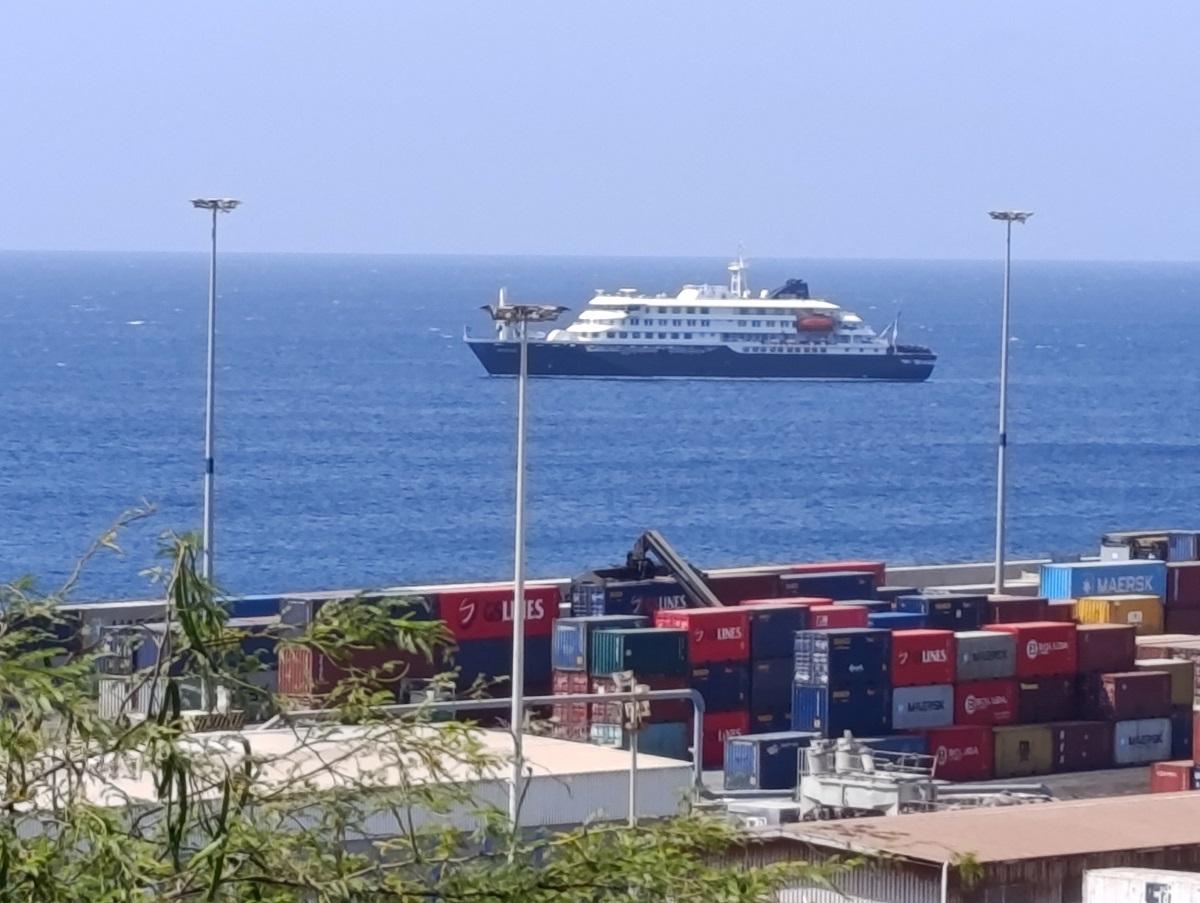
As the ship floats off the coast of Cape Verde, carrying around 150 passengers mainly from the UK, USA, and Spain, the fear of a spreading outbreak looms large. Three more individuals onboard are showing symptoms, one of whom has developed a mild fever.
The couple who initially contracted the virus joined the cruise in Argentina, and health officials believe they may have been infected during activities like birdwatching before the trip began. However, the real concern now is the potential for transmission among close contacts onboard.
A Close-Knit Community
Maria Van Kerkhove, the WHO’s head of epidemic and pandemic preparedness, emphasized the importance of the close relationships among passengers. “Some people on the ship were couples, sharing rooms,” she explained, painting a picture of intimacy and trust that suddenly turned perilous.
Hantavirus, typically spread from infected rodents, is rarely passed between humans. Yet, some previous outbreaks have shown limited human-to-human spread, and experts are exploring this possibility in the current situation. Testing is underway to confirm if the strain involved is the Andes virus, which is known to circulate in South America.
In response to the crisis, onboard medical teams are taking every precaution. Those exhibiting symptoms and caregivers are donned in full protective gear, and disinfection efforts are intensifying. Comforting news came from the WHO stating that there have been no reports of rats on the vessel, a tiny silver lining amidst the chaos.
A Risky Voyage
The Hondius set sail in late March, marketed as an exciting Antarctic nature expedition. It offered journeys to some of the most remote places on Earth, with tickets priced between €14,000 and €22,000—an investment for an unforgettable experience. Sadly, what should have been a dream vacation has become a living nightmare.
The cruise’s troubles began with the Dutch man who fell ill and sadly passed away on April 11. His body remained on board for days before being disembarked at St. Helena, accompanied by his heartbroken wife. She, too, experienced gastrointestinal symptoms and deteriorated rapidly, dying shortly after arrival in Johannesburg.
Now, attentions turn to one British patient who has tested positive for the hantavirus while hospitalized. The Dutch woman’s case has also been confirmed, indicating a growing tragedy that affects not just the passengers but their loved ones back home.
Awaiting Answers
While the Hondius prepares to make its way to the Canary Islands, Spanish authorities are still deliberating where it can safely dock. “We will base our decisions on the epidemiological data from the ship,” they stated, highlighting the careful consideration needed in these uncertain times.
As the ship remains stranded, passengers cling to hope, supported by medical teams and officials committed to halting any further spread. This story is a reminder of how fragile life can be and how quickly adventures can turn into challenges. Each moment onboard carries with it a mix of fear and hope—a test of resilience for everyone involved.