

The Challenge of Drones in the West Philippine Sea: A Look at Recent Regulations
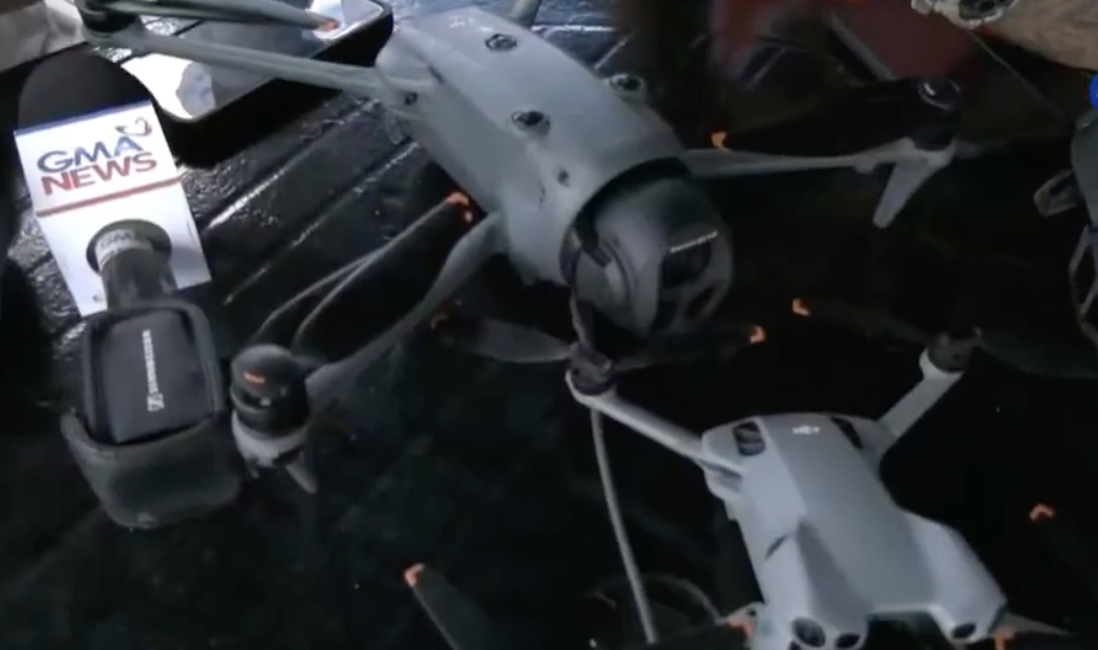
During the recent Atin Ito! 4th Civilian Mission, an eyebrow-raising incident unfolded that highlights the tension in the West Philippine Sea. The drone operators on board reported a frustrating predicament: their China-made drones were bombarded with messages insisting that they register with the Civil Aviation Authority of China (CAAC) before they could even take flight.
You might wonder, how is this even possible? How could China manage to block these drones from operating?
The answer lies in the intricate programming of these devices. The West Philippine Sea, a region claimed by China, is under the watchful eye of regulations that the country has put into place. It’s plausible that Chinese manufacturers designed these drones to adhere to China’s aviation laws when operating in areas that Beijing deems its territory.
A Timeline of Tightening Regulations
Fast forward to 2026, the situation escalated. China ramped up its drone regulations in zones it asserts control over, particularly emphasizing foreign-owned drones. As of May 1, any drone operator is now required to complete a registration linked to each unit. If a drone isn’t registered? It faces a “physical lock”—a really fancy way of saying it simply won’t work.
In their standards, officials state: “The owner of a civil unmanned aircraft should complete real-name registration and activation operations before using civil drones.” What this means is quite straightforward: if you want your drone to fly, you better play by the rules—and those rules are set by China.
Since January 2026, the new regulations have made drones inoperable until they are activated through this real-name registration system. Gone are the days of carefree flying; even drones that have been deactivated will remain grounded until further notice.
But it doesn’t stop there. China has also expanded its list of no-fly zones, designating places like Beijing as completely off-limits for drones.
Final Thoughts
As we navigate through this complex landscape, it becomes clear that technology and regulation are intertwined in ways that affect many lives. The incident during the Atin Ito! 4th Civilian Mission serves as a stark reminder of the geopolitical tensions that exist in the West Philippine Sea, where every beep and prompt from a drone can echo larger stories of sovereignty and control.
The challenge is not just about flying drones; it’s about understanding the rules of a territory that, for better or worse, could change the course of many missions alike.