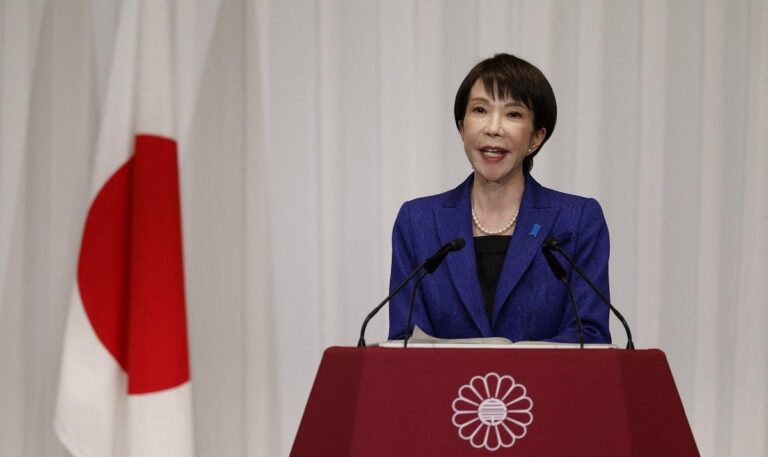
The price of rice in the Philippines might soon increase because President Ferdinand “Bongbong” Marcos Jr. has ordered that no rice will be imported into the country for 60 days, starting on September 1, 2025.
A group called the Philippine Rice Industry Stakeholders Movement says this decision will likely make rice more expensive for everyone. Why? Because if the country stops bringing in rice from other countries, the supply of rice will mostly come from local farmers. This could cause a chain reaction in prices.
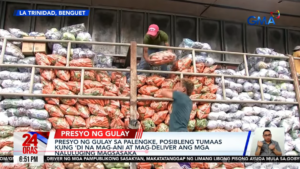
Rowena Sadicon, the group’s leader, explained that even before the ban starts, prices are already changing. The price of palay (unmilled rice) — which farmers sell — has already gone up. She expects the price of palay to rise by ₱1 to ₱2 per kilo, and the same increase will likely happen for the rice we buy in stores.
The decision to pause rice imports came after Agriculture Secretary Francisco Tiu Laurel Jr. recommended it to the President.
But not everyone agrees with the plan. The Federation of Free Farmers (FFF) says the government waited too long to protect local farmers from competition with cheaper imported rice. They say many farmers have gone into debt, and some are wondering if farming is still worth it.
Sadicon stressed that the import ban was intended to help farmers. But she also pointed out that it will affect the entire supply chain — meaning the way rice moves from farms to stores to consumers.
According to the Philippine Statistics Authority (PSA), the average price of rice has actually been going down in the past months, mainly because of “base effects” (when current prices are compared to unusually high prices from the past).
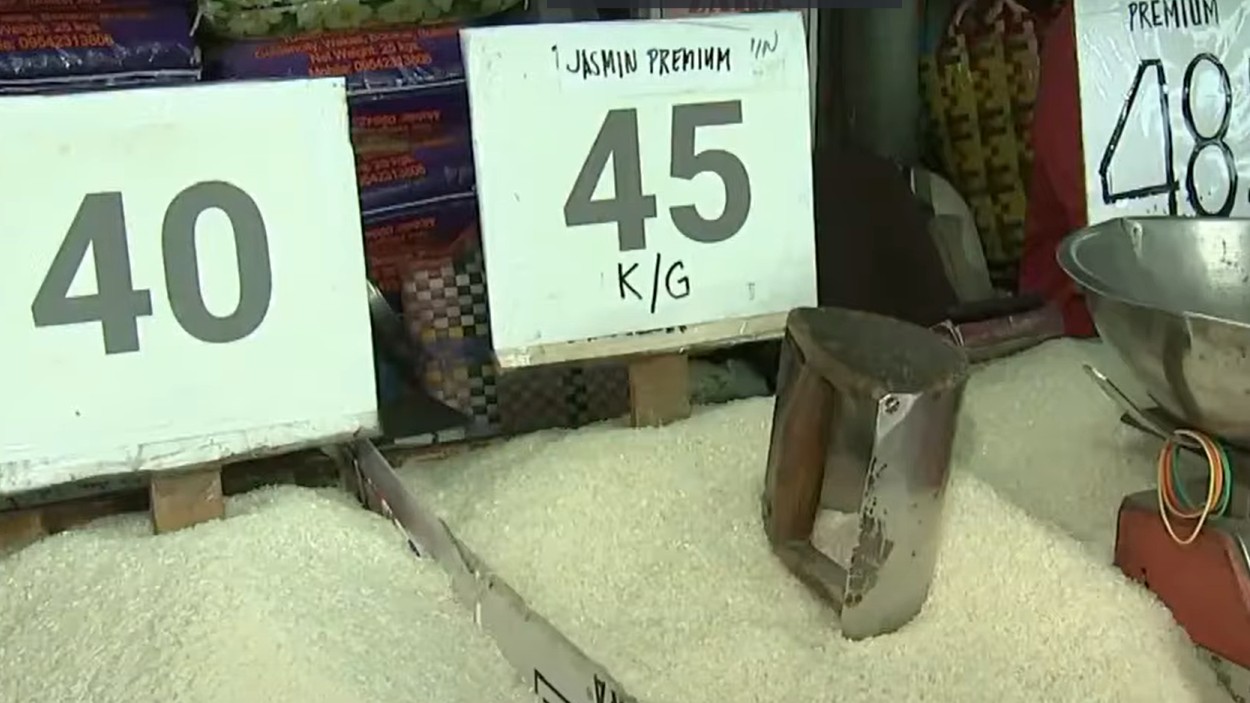
Here’s how rice prices looked in July 2025 compared to July 2024:
-
Regular milled rice: ₱41.31/kg (down from ₱50.90)
-
Well-milled rice: ₱47.60/kg (down from ₱55.85)
-
Special rice: ₱56.83/kg (down from ₱64.42)
Rice inflation — the rate prices go up — has actually been negative since last year. In July 2025, it was at -15.9%, meaning prices were much lower than the year before. The PSA expects prices to keep dropping for the next few months, partly because tariffs (taxes) on rice imports were lowered in July 2024.
However, with this new 60-day import ban, experts warn that prices might soon stop falling — and could start going back up.