


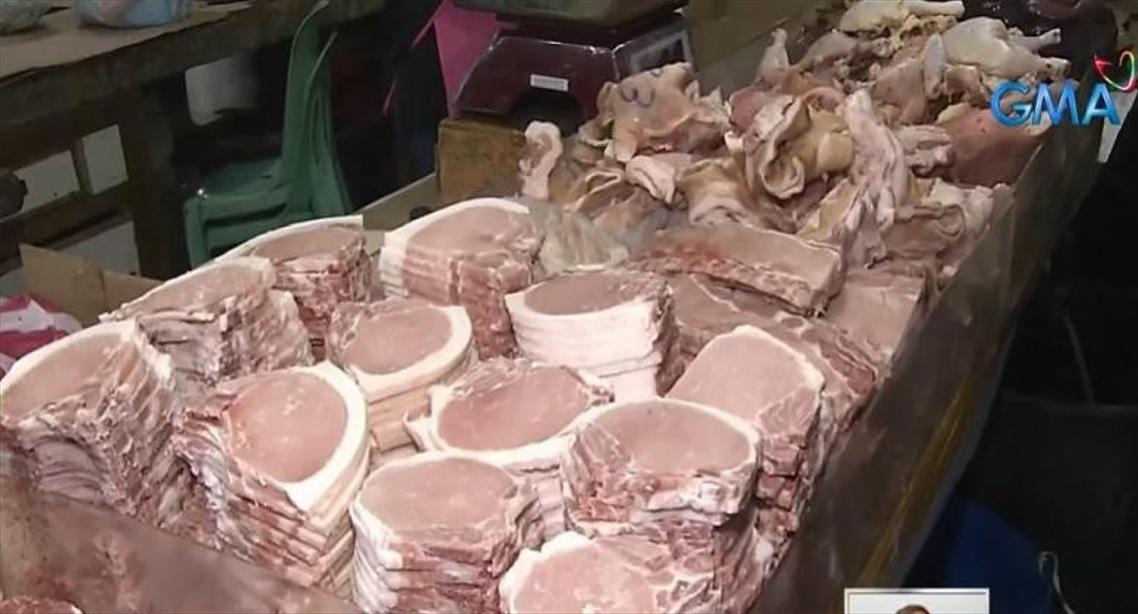
Potential Pork Supply Shortage Ahead: What It Means for Filipinos
In a surprising twist, the Philippine government has just introduced a 60-day restriction on importing certain pork cuts. This move aims to protect our local swine industry, which has been struggling with the fallout from rising imports. The U.S. Department of Agriculture (USDA) has issued a stark warning: we might face a pork supply shortage as soon as the first quarter of 2027.
Let’s break this down. Recent USDA reports indicate that shipments of pork already on their way to our shores may offer a temporary reprieve. These products are expected to arrive between late December 2026 and January 2027, potentially softening the immediate impact of the restrictions. However, the real crunch could hit harder from late January to early March, as these limits take full effect.
The Department of Agriculture (DA) has stepped in with a department order aimed at curtailing pork imports, specifically targeting fresh and chilled meats such as carcasses, hams, shoulders, and even edible offals like livers. The rationale? The domestic swine industry has endured “serious injury” due to an influx of imported goods.
To put this in perspective, during the first quarters of 2025 and 2026, the Philippines imported an average of 94,029 metric tons (MT) of these pork products. With the new restrictions in place, however, we can expect arrivals in early 2027 to plummet. The USDA estimates that pork imports could fall below prior levels, creating a potential gap between supply and consumer demand.
Here’s where it gets critical: to avoid a drastic shortage, the USDA suggests that the Philippines will need to ramp up domestic pork production by at least 14%. This is vital to ensure that consumption remains steady, mirroring figures from the same period in 2026. The current stock levels simply won’t suffice under reduced import scenarios.
As of July, our pork inventories stood at about 121,000 MT, with a staggering 94% of that coming from imports. This reliance on foreign pork has already cost local producers approximately P27.9 billion in losses over just the first seven months of this year.
So what does this all mean for the everyday Filipino? If the predicted shortage materializes, it’s likely that pork prices will rise, putting additional pressure on family budgets. As the government pushes for increased local production, we all need to be aware of these shifts and how they might affect our meals and traditions centered around this beloved protein.
It’s a time for reflection on our dependence on imports and the resilience of our local producers. Let’s support them, ensuring that our palates—and communities—don’t go hungry in the future.