
DUBAI, United Arab Emirates — Two Filipino workers are now facing a difficult situation abroad.
On Monday, the Philippine Embassy confirmed that two Overseas Filipino Workers (OFWs) have been arrested by authorities in the United Arab Emirates for allegedly posting videos of missile attacks during the ongoing Middle East conflict involving Iran, Israel, and the United States.
For many Filipinos working far from home, the news came with concern — and a reminder of how powerful, and sometimes dangerous, social media can be.
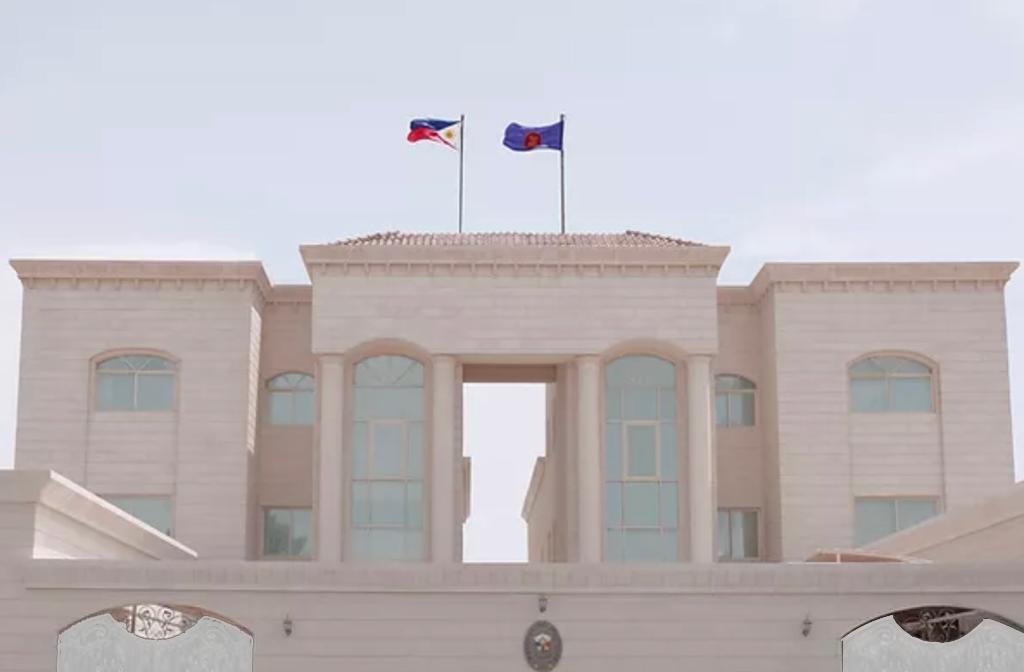
Embassy Steps In
The Philippine Embassy assured the public that legal assistance is already being provided to the two Filipinos.
According to the embassy, both OFWs are receiving support from the government while the investigation continues.
Their families in the Philippines have also been informed.
“Legal assistance is being extended to the arrested through the embassy’s retained legal counsel,” the embassy said in a statement.
The embassy also requested permission from UAE authorities to conduct a consular visit with the two Filipinos.
However, the visit still requires approval from local officials.
For now, the embassy has chosen not to release the identities of the arrested workers.
Officials explained that this decision was made to protect the ongoing investigation and respect the request of the families involved.
Part of a Larger Case
The two Filipinos were not the only individuals arrested.
Earlier, the UAE Attorney General’s Office announced that 25 people of different nationalities had been taken into custody.
All of them are facing possible “expedited trial” for posting images and videos related to the conflict in the Middle East.
According to a report from WAM, the UAE’s official government news agency, authorities believe the online posts could harm national defense measures and promote military aggression against the country.
The two OFWs were among those included in the investigation.
Authorities also confirmed that preventive detention orders have been issued while the case is being examined further.
Three Groups Identified
Investigators said the accused individuals were categorized into three groups based on the type of content they shared online.
The first group allegedly posted real videos showing missile movements or interceptions in UAE airspace, including footage of the impact of the attacks.
The second group allegedly shared manipulated or fabricated visuals, including AI-generated images or videos taken from incidents outside the UAE but falsely presented as happening inside the country.
The third group allegedly shared content praising a hostile state, including posts that glorified its military actions and leadership.
Authorities warned that such posts can create fear, spread misinformation, and potentially reveal sensitive defense capabilities.
Strong Warning From UAE Officials
UAE Attorney General Dr. Hamad Saif Al Shamsi emphasized that spreading misleading or harmful content during sensitive situations could have serious consequences.
Those found guilty, he said, will be referred to the judiciary and face the appropriate legal penalties under UAE law.
Authorities stressed that the charges filed against the suspects serve as a warning against exaggerating or distorting facts that may threaten national security.
Advisory for Filipinos
Following the arrests, the Philippine Embassy and the Philippine Consulate General in the UAE issued a strong advisory to Filipinos living and working in the country.
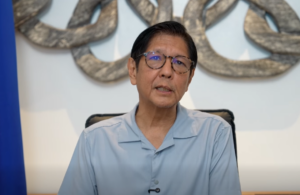
Ambassador Alfonso A. Ver, head of the Philippine mission in the UAE, reminded Filipinos to be extremely careful when using social media.
The message was clear.
Avoid posting or sharing sensitive security-related information.
Avoid spreading rumors.
And always rely only on official announcements and credible news sources.
“All Filipino nationals in the UAE are reminded to exercise utmost caution and responsibility in their use of social media and messaging platforms,” the advisory said.
Filipinos were also warned not to record, forward, or comment on unverified content related to security situations.
A Reminder for OFWs
For the millions of Filipinos working abroad, the situation serves as a powerful reminder.
Even a simple post…
A forwarded video…
Or a shared clip online…
can carry serious consequences — especially in countries with strict laws on national security and public safety.
For now, the two OFWs remain under investigation.
And their families — thousands of miles away — wait and hope for the best.