

Stranded at Sea: The Plight of Filipino Seafarers in the Strait of Hormuz
In a world turned upside down by conflict, approximately 1,000 Filipino seafarers find themselves stranded in the troubled waters of the Strait of Hormuz. This emotional journey comes amid rising tensions between the United States and Iran, leaving many sailors in a state of uncertainty.
A Glimmer of Hope Amid Crisis
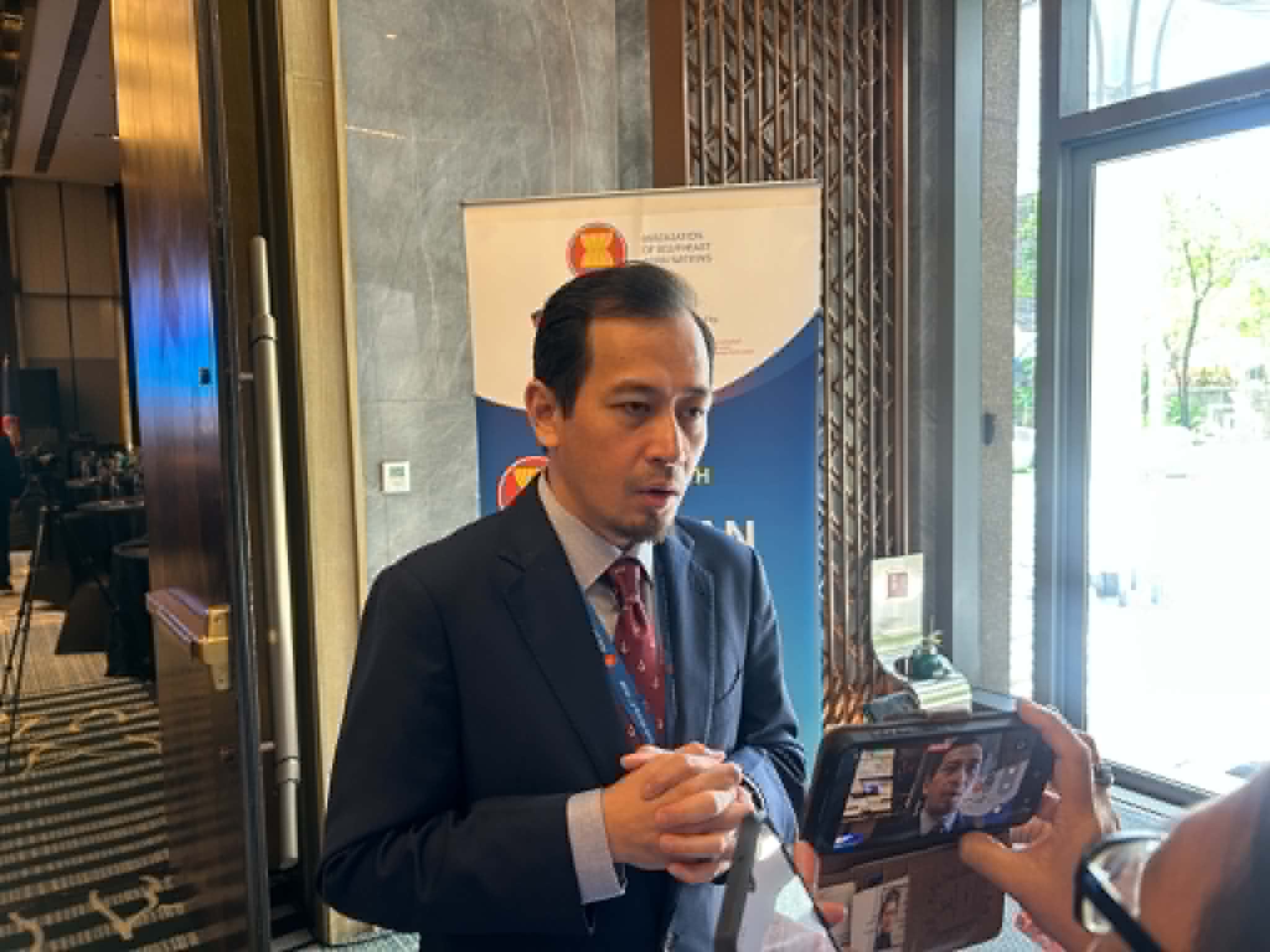
Mohamed Safwan bin Othman, the chairman of the Federation of ASEAN Shipowners’ Associations (FASA), offers a faint glimmer of hope. He shares that the situation, though dire, is improving. “During the peak of the crisis, more than 2,000 ships were trapped in these waters,” he explains. “Today, that number has decreased to around 500.” It’s a reminder that even in chaos, there can be progress.
Yet, the reality remains stark. A significant portion of the stranded ships—around 2,000 seafarers—are from the ASEAN region. Othman reveals, “The majority are Filipinos. More than half of them—over 50%—are from the Philippines.” These numbers tell a heartbreaking story of men and women far from home, waiting for the storm to pass.
The Unseen Peril
However, the situation is not as straightforward as it seems. Othman notes that some ships are switching off their radars to evade detection by Iranian authorities. This tactic makes it challenging to track the exact number of ships and crew members. “We lack accurate data because of this maneuvering,” he adds, painting a picture of desperation and resilience.
Despite the challenges, there have been stories of success. Earlier this month, the Department of Foreign Affairs reported that four Philippine-registered vessels managed to safely navigate through the Strait of Hormuz. They identified these ships—the MV Lyng Trader, MV Western Doncaster, MV Vivian Trader, and MV Eva Fuji—as paths of hope amid the turmoil.
The Pursuit of Safety
Othman emphasizes that the safety of seafarers is the top priority. “We must avoid entering the Strait of Hormuz whenever possible,” he insists. This shift in navigation, while necessary, comes with its own challenges. “It may take longer to deliver cargo, causing delays in supply chains.”
Another significant issue affecting these seafarers is insurance. “Many companies are pulling out of war risk coverage or increasing their rates,” Othman explains, highlighting the financial strain on shipowners. To combat this, they are establishing a Protection and Indemnity (P&I) insurance club. “This club will enable shipowners to share risks and reduce premiums, benefiting everyone involved,” he shares, illustrating a proactive approach to an escalating situation.
A Long Road Ahead
Building a sustainable P&I insurance club won’t happen overnight. Othman estimates it might take up to three years to establish a robust framework that benefits all ASEAN shipowners. “We’re committed to working together and ensuring that our seafarers are protected,” he says, underscoring the spirit of cooperation that shines through even in difficult times.
Conclusion: A Call for Solidarity
As these Filipino seafarers continue their struggle in the Strait of Hormuz, their resilience serves as a beacon of hope. The compassion and determination of those working tirelessly on their behalf remind us of the human spirit’s strength. This story is not just about ships and cargo; it’s about lives, families, and the enduring connections that link us all.
In the face of adversity, let us stand in solidarity with those braving the waters, waiting for the storms of conflict to pass and for their safe return home.